Ofcom investigates GB News over guest’s pride and paedophilia remarks
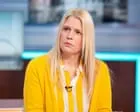
Ofcom is investigating GB News after a guest linked pride parades with bestiality and paedophilia during a broadcast discussion, following a record number of complaints against the channel. The comments, made by Catholic commentator Caroline Farrow on the Alex Armstrong Tonight show, prompted public criticism from figures including Green party leader Zack Polanski and Drag Race UK star Bimini, and have reignited scrutiny of GB News's editorial standards.
More than 12,000 people complained about Farrow's remarks, made after the July Pride in London march, in which she described the event as including "furries and bestiality" and "minor-attracted people, you know, paedophiles". Ofcom is examining whether the broadcast breached rules requiring potentially offensive material to be contextually justified; the episode has since been pulled from YouTube. Presenter Alex Armstrong challenged the comments at the time and later condemned them as an "age-old gay trope" used to demonise gay people, while GB News said the views were the contributor's own and were robustly challenged on air. The channel was previously found to have breached the broadcasting code last year over similar remarks by presenter Josh Howie, though no sanctions were imposed after it broadcast an apology.
In short
- Ofcom probes GB News after guest linked pride events to paedophilia
- Record 12,000+ complaints filed over Caroline Farrow's on-air comments
- GB News breached similar rules last year but faced no sanctions
Steelman: both sides, in good faith
The strongest fair case each way — we don't pick a winner.
The case for
Broadcasting reaches vulnerable audiences and shapes public discourse with unique power, warranting regulatory standards. GB News has now breached the broadcasting code twice for similar content falsely associating LGBTQ+ people with paedophilia—a demonstrably harmful, historically weaponised stereotype. This pattern suggests systemic failure rather than isolated incidents. Whilst in-the-moment challenge has value, the comments themselves recycled falsehoods that standards properly require to be contextually justified rather than merely contradicted. When a platform repeatedly allows such content despite previous regulatory findings, enforcing standards becomes essential to prevent normalisation of harmful misinformation.
The case against
Editorial freedom and free speech are paramount in broadcasting; controversial views should be aired and challenged, not pre-censored. The presenter robustly challenged these comments in real time and later condemned them, which represents the appropriate journalistic response to objectionable guest commentary. Guest voices express individual perspectives, not institutional positions, and the remedy for disagreeable speech is counter-speech, not regulatory suppression. Ofcom's standards around "contextual justification" are inherently subjective, and retrospectively judging whether on-air challenge was sufficiently "robust" sets a troubling precedent for editorial control based on regulator approval.
Explained simply
Ofcom is the UK’s communications regulator. It sets rules for television and radio, including how broadcasters handle material that could cause serious offence, and can investigate complaints about programmes.
GB News is a television news channel, and Alex Armstrong presents a discussion programme on it. Caroline Farrow is a Catholic commentator who appeared as a guest; the channel says her views were challenged during the broadcast and were her own.
The investigation concerns how broadcasters should balance discussion of controversial views with rules on potentially offensive content. It also comes amid scrutiny of GB News’s editorial standards, after an earlier breach of broadcasting rules over similar remarks on the channel.
Culture Software Technology UK World