Video games news, releases, esports and culture — all the biggest gaming stories in one place.
OG Fallout was “entirely different” from foundational RPGs like Ultima because those games “expect you to be good,” says co-creator: “Fallout has no such expectation”
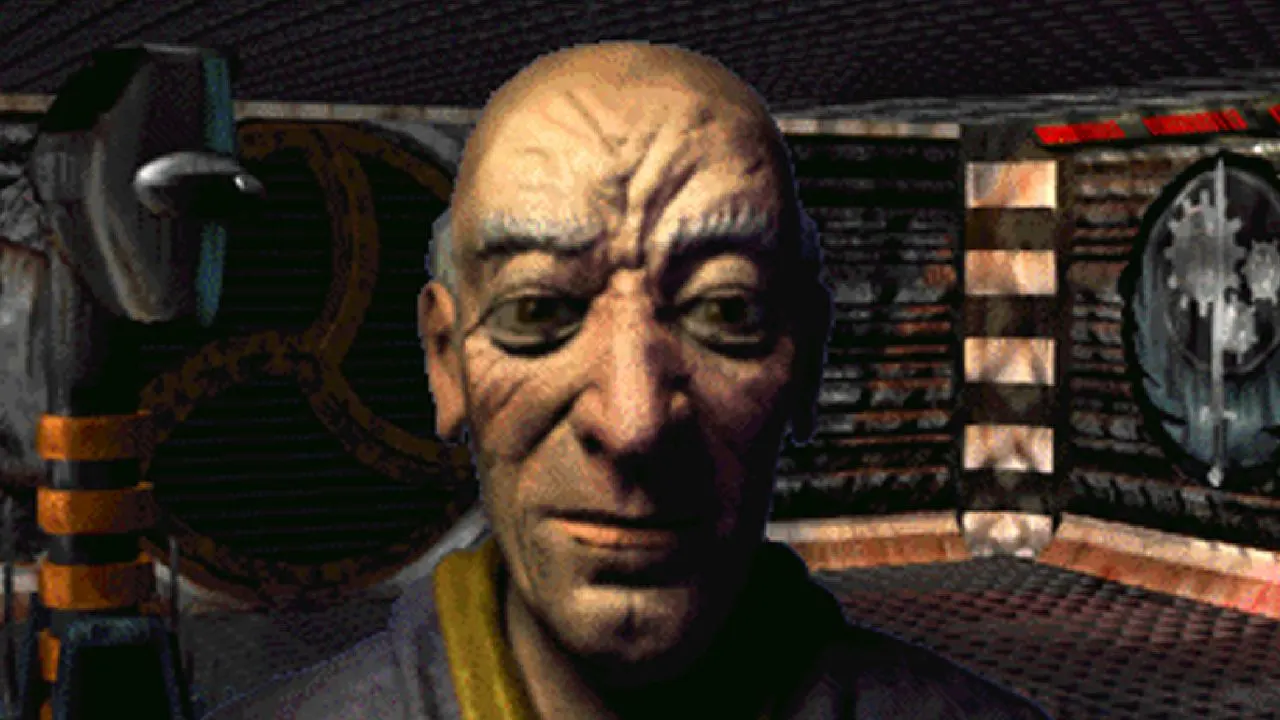
A co-creator of the original Fallout has said the classic RPG was "entirely different" from foundational role-playing games such as Ultima, because those earlier titles were built on the assumption that players would act as good, moral characters. Fallout, by contrast, was designed with no such assumption, allowing players far greater freedom to behave selfishly, ruthlessly or outright villainously without the game pushing back against that choice. The comments highlight a deliberate design philosophy that helped set Fallout apart from the RPGs that preceded it and shaped the morally flexible, consequence-driven style the series became known for.
According to the co-creator, older RPGs like Ultima were built around an inherent expectation of heroism, with players cast as virtuous protagonists navigating clearly defined moral frameworks. Fallout's designers instead removed that baked-in expectation, giving players the latitude to make selfish or morally grey decisions as a core part of the experience rather than an exception to it. This approach is credited with giving the post-apocalyptic series its distinctive tone and its reputation for reactive, player-driven storytelling.
In short
- Fallout co-creator contrasts the game with Ultima-style RPGs
- Older RPGs assumed players would act morally; Fallout didn't
- Design choice shaped Fallout's freedom for selfish or villainous play
Steelman: both sides, in good faith
The strongest fair case each way — we don't pick a winner.
The case for
Allowing players to act selfishly or cruelly can make role-playing more meaningful by letting them define their character rather than follow a prescribed heroic path. If the world responds to those choices, moral freedom can also deepen the story and make its consequences feel earned.
The case against
A game built around open-ended moral choice can lose some of the clarity and purpose that a shared heroic ideal provides. Clear expectations of virtue can give players a stronger narrative framework, make ethical dilemmas easier to understand, and support stories about responsibility and doing good.
Explained simply
Fallout is a classic role-playing game released in 1997, set in a post-nuclear war world where players guide a protagonist through an irradiated wasteland. Earlier landmark RPGs like Ultima, which pioneered the genre in the 1980s, typically cast players as heroes destined to save the world, with the game's structure and tone reinforcing that good-versus-evil narrative and expectation of virtuous behaviour.
Fallout's designers took a different approach by removing the assumption that players would or should act heroically. Rather than guiding players towards virtuous choices, the game allowed them to make selfish, brutal or morally questionable decisions without penalty or narrative disapproval, treating such options as equally valid as any other approach to the game's challenges.
This design choice became a defining characteristic of Fallout. By not imposing a moral framework on player decisions, the series gave players greater freedom in shaping their own path and allowed stories to develop from their choices rather than from predetermined assumptions about how a hero should behave.