Video games news, releases, esports and culture — all the biggest gaming stories in one place.
OG Gears of War lead says “wallbouncing in Gears” is like his cult classic platformer helping turn fans into furries: “It wasn’t the intended nor desired effect, yet here we are”
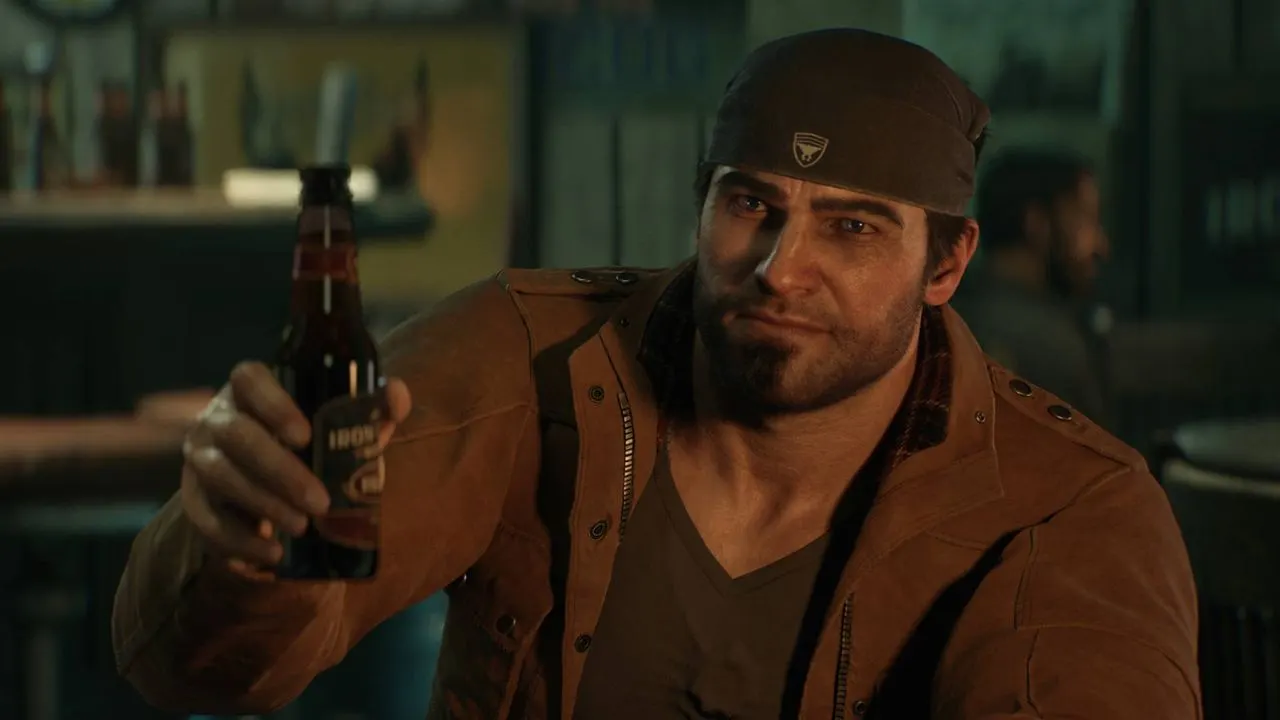
Gears of War creator Cliff Bleszinski has joked that the competitive technique known as wallbouncing developed into an unintended part of the series’ culture, comparing it with the furry fanbase associated with his earlier platformer Jazz Jackrabbit. He said neither outcome was intended or desired, but both became significant ways in which players engaged with his games.
Wallbouncing involves rapidly moving between cover positions to evade opponents and gain an advantage, and has long divided Gears players over whether it improves or harms competitive play. Bleszinski’s comparison referred to Jazz Jackrabbit, his 1990s game starring an anthropomorphic rabbit, which later gained a following within furry fandom.
In short
- Cliff Bleszinski says wallbouncing was an unintended Gears phenomenon.
- He compared it to Jazz Jackrabbit’s furry fanbase.
- Both became notable player-driven legacies.
Steelman: both sides, in good faith
The strongest fair case each way — we don't pick a winner.
The case for
Supporters of wallbouncing contend it represents emergent gameplay that rewards mechanical mastery and creates a high skill ceiling, enabling dynamic competitive play and meaningful player progression. They argue that communities enriched by techniques that evolve through player innovation and reward dedication are healthier than those bound rigidly to original design intent, and that players deserve the freedom to develop and celebrate skills that demonstrate excellence.
The case against
Critics argue that when an unintended mechanic becomes dominant, it obscures the game's original design vision and creates an artificially steep learning curve that discourages new and casual players. They contend that design intent matters fundamentally: Gears was conceived as tactical cover-based combat, and a technique that eclipses that core vision and forces competitive mastery of an unintended quirk ultimately undermines what made the franchise distinctive and compromises its foundational experience.
Explained simply
Gears of War is a series of action games in which players use cover while fighting opponents. Its multiplayer matches developed their own tactics, including wallbouncing: quickly moving between cover positions to avoid attacks and gain an advantage.
The series was created by Cliff Bleszinski, who also worked on Jazz Jackrabbit, a 1990s platform game starring a rabbit. Some fans of that game became part of furry fandom, a community interested in animal characters with human traits. Both examples show how players can shape a game’s culture in ways its creators did not plan.