Oil prices rise above $100 a barrel for first time since July as Iran war escalates
Developed over time first seen 2 months ago
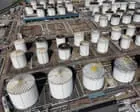
Oil prices have risen above $100 a barrel for the first time since July, as an escalating conflict in the Middle East threatens further disruption to global energy supplies. Brent crude climbed more than 3% to top $101 after renewed fighting between the US and Iran in the Gulf, in which the US military said it had "destroyed" multiple Iranian tankers after Tehran attempted to strike a US navy warship with ballistic missiles, while Iran-backed Houthi forces attacked four Saudi cities, wounding more than 70 people and setting oil installations ablaze. The rise matters because it is feeding into wider inflationary pressures, with the Bank of England governor, Andrew Bailey, warning MPs that the risks to prices are firmly "on the upside" because of energy costs.
The oil price has jumped by a quarter since early August as hopes of resolving the six-month conflict faded, and Brent, up more than 60% this year, has now topped $100 on three separate occasions in 2026, having peaked at $126 in April before easing back amid ceasefire hopes. UK and European gas prices have also surged, with the Dutch benchmark up almost 4% to its highest since January 2023 and the British contract at its highest since December 2022, while UK petrol has reached a four-year high of 166.2p a litre and diesel 187.7p. Households face further strain as Ofgem's price cap rises 4% in October, with forecasters predicting a further 13% rise in January, and economists in the UK and US are now expecting further interest rate increases as a result.
- Sources
- 2
- Outlets
- 2
- Left · Centre · Right
- 2 · 0 · 0
In short
- Brent crude tops $101 a barrel amid US-Iran and Houthi escalation
- UK petrol, diesel and gas prices hit multi-year highs
- Bank of England warns of upside inflation risk from energy costs
How this story developed
- 2 months ago The price of oil has climbed further, with Brent crude rising above $101 a barrel—up more than 3%, a sharper jump than the 2.1% initially reported—after fresh fighting between the US and Iran in the Gulf.
- 2 months ago Oil prices climbed above $100 a barrel for the first time since July after a fresh escalation between the US and Iran in the Gulf, alongside Houthi attacks on Saudi Arabian cities, fuelled fears of further disruption to global energy supplies.
- 2 months ago Oil prices have risen above $100 a barrel for the first time since July, as an escalating conflict in the Middle East threatens further disruption to global energy supplies.
Explained simply
Oil prices matter well beyond the petrol pump because crude is a raw input for fuel, plastics and countless goods, so when it gets more expensive, costs ripple through transport, manufacturing and household bills. Brent crude, the main international benchmark, has been volatile in 2026 amid tension between the United States and Iran, two countries whose rivalry has long shaped conditions in the Gulf, through which a large share of the world's oil passes by tanker.
The current flare-up centres on direct military exchanges between US forces and Iran, alongside attacks by the Houthis, an Iran-aligned armed group based in Yemen that has repeatedly targeted shipping and infrastructure in the region, including in Saudi Arabia. Any disruption to the Gulf raises fears that oil supplies could be interrupted, which is typically what drives prices up sharply.
For Britain, this matters because oil and gas prices feed directly into what people pay for petrol, diesel and household energy, and into the Bank of England's efforts to keep inflation under control. Higher energy costs can also affect the price of everyday goods, since transport and production costs rise across the economy.
Coverage · 2 sources
Bias meters
From 2 rated sources.
Americas Business Middle East Software Technology World