Oil-rich Canadian province of Alberta votes to remain part of the country… but demands immigration is slashed and voter ID laws are tightened
Developing story first seen 1 hour ago
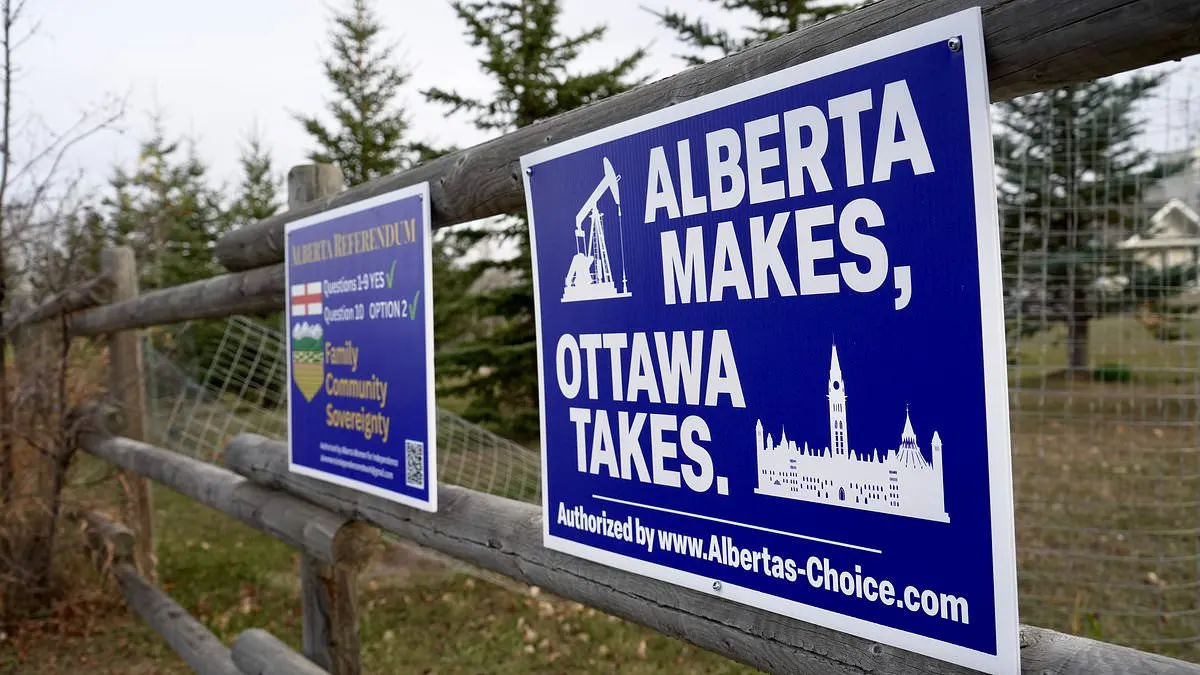
Alberta voted overwhelmingly to remain part of Canada, rejecting a potential first step towards separation. The result affirms support for national unity, while the referendum also showed strong provincial backing for policy changes that could deepen tensions with the federal government.
About 76 per cent voted to stay in Canada. In other questions, voters supported tougher immigration rules, restricting some provincially funded programmes and benefits, requiring proof of citizenship to vote in provincial elections, and prioritising provincial laws over federal ones; the ballot also included proposals on health care and education fees for non-permanent residents and abolishing the Senate. The separatist movement has gained support since the Covid-19 pandemic, amid disputes over federal pandemic, environmental and immigration policies.
- Alberta voted to remain part of Canada, with 76 per cent backing unity.
- Voters also supported several changes to immigration and provincial policy.
- The result leaves federal-provincial tensions unresolved.
New here? Start with this
Alberta is a province in western Canada with a large oil and gas industry. Canada’s federal government sets rules that apply across the country, while provincial governments control areas such as health care and education. This division of powers can lead to disputes over which level of government should decide an issue.
Some Albertans who support independence say the province has too little control over its resources and policies. The movement has grown amid disagreements with the federal government over issues including pandemic measures, environmental rules and immigration. The ballot also asked about proposed changes to provincial policy, including voting rules and access to some publicly funded services.
The result matters because it shows both support for Canada remaining united and backing in Alberta for changes that could bring the provincial government into conflict with federal policy. Those disagreements may shape future debates about immigration, public services and the balance of power between Alberta and Ottawa.
Both sides, in good faith
The strongest fair case each way — we don't pick a winner.
The case for
Supporters of the proposed changes argue that Alberta should have more control over immigration and provincial policy, especially where federal decisions affect local services, costs and the province’s economy. They see citizenship checks as a way to protect confidence in elections and giving provincial laws priority as a means of defending Alberta’s democratic choices within Canada.
The case against
Opponents argue that tighter immigration rules and limits on services for non-permanent residents could harm people who contribute to Alberta and worsen labour or service shortages. They also see voter ID requirements and claims of provincial law taking precedence as risks to access to voting and to consistent federal standards, potentially deepening conflict within Canada.
More coverage
Art Culture Elections Environment Government Politics Science World