World news and discussion on TalkFuse.
Oil rises as investors weigh uncertainties around Iran war
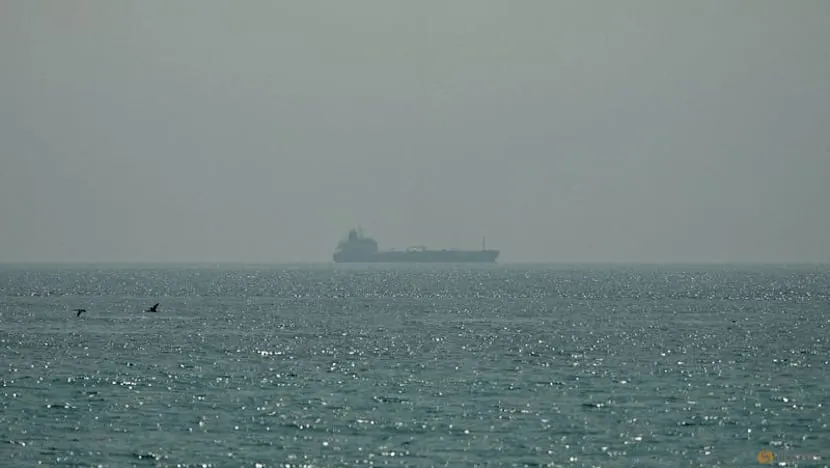
Brent crude rose modestly as investors assessed how the US midterm election results might affect President Donald Trump’s approach to the war with Iran. The conflict and higher fuel costs were major grievances for voters, while uncertainty over whether the war will end or intensify is keeping oil markets unsettled.
At 0900 GMT, Brent was up 78 cents, or 0.8 per cent, to $95.40 a barrel, and US West Texas Intermediate gained 11 cents, or 0.1 per cent, to $88.23; both had fallen by more than 8 per cent the day before. Eurasia Group put the chance of renewed US strikes at 60 per cent and a deal at 10 per cent, and said escalation could push Brent to $110-$125. Gulf shipments through the Strait of Hormuz have recovered close to pre-war levels, but inventories in major consuming countries are near a 15-year low.
In short
- Brent rose 0.8 per cent to $95.40 a barrel.
- Investors are weighing whether the Iran war will escalate or wind down.
- Oil inventories are near their lowest level in 15 years.
Steelman: both sides, in good faith
The strongest fair case each way — we don't pick a winner.
The case for
Those favouring a tougher approach to Iran could argue that keeping the possibility of renewed strikes open may deter further threats to Gulf shipping and strengthen the US position in any negotiations. With inventories near a 15-year low, they may see credible pressure as a way to reduce the risk of a more disruptive conflict later, even if uncertainty is already lifting oil prices.
The case against
Those favouring restraint could argue that renewed strikes risk widening the conflict, disrupting the Strait of Hormuz and pushing fuel costs higher when voters are already concerned about them. With Gulf shipments nearing pre-war levels, they may see diplomacy and a clear path to ending the war as better ways to protect energy supplies and limit economic harm.
Explained simply
Oil prices respond to expectations about how much crude will be available and how easily it can reach buyers. Brent and West Texas Intermediate are benchmark prices used to track oil traded internationally and in the United States.
The United States and Iran are central to the conflict, while other Gulf countries are affected because much of their oil is shipped through the Strait of Hormuz, a narrow sea passage. Disruption there can restrict supplies and raise costs for businesses and households that use fuel.
The US midterm elections decide who holds seats in Congress, which can shape the political pressures facing a president. In this story, voters’ concerns about the war and fuel costs matter because they may influence debate over US policy; low oil inventories also leave less stored supply to cushion any disruption.