Video games news, releases, esports and culture — all the biggest gaming stories in one place.
OLED monitor shipments have doubled from last year, and all I can say is it’s well deserved
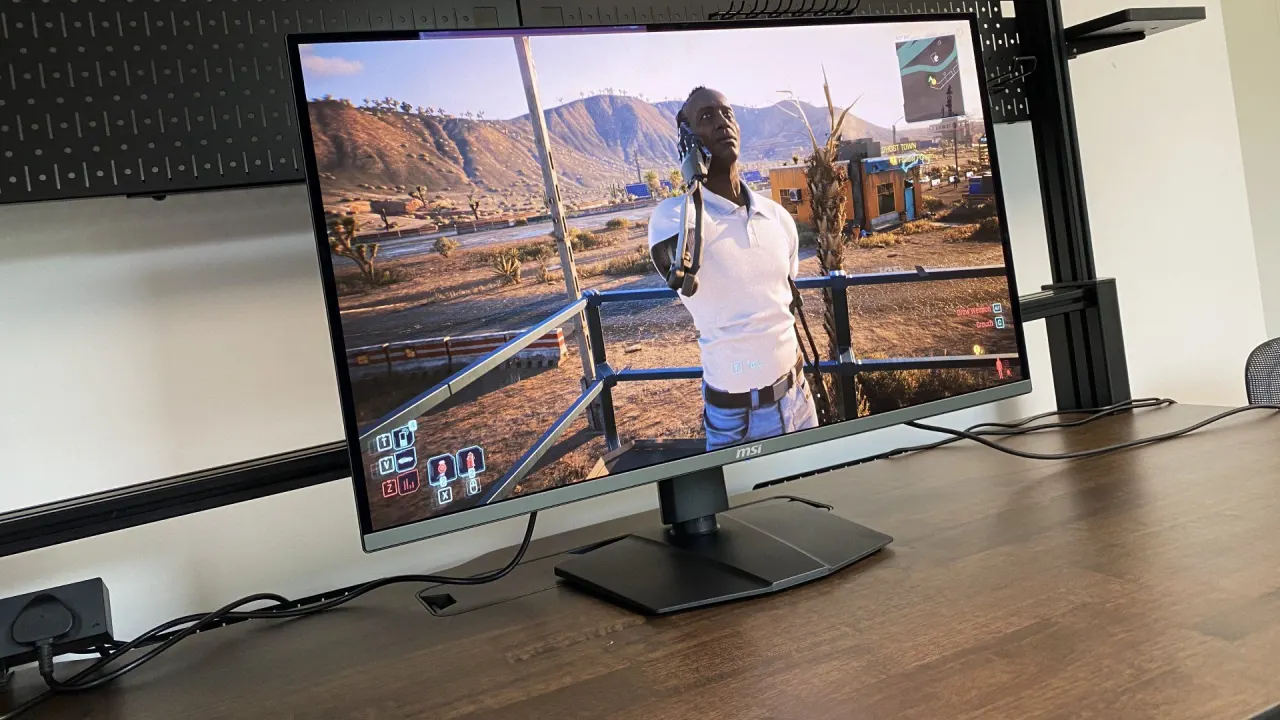
Global OLED monitor shipments doubled year on year, signalling strong momentum for the display technology as prices fall and more buyers consider upgrading. The growth matters for gamers because OLED screens offer vivid colours, deep blacks and fast response times, though they still tend to cost more than IPS monitors.
Trendforce reports shipments rose 13% from the previous quarter, while Asus led the market with 21.7% of sales. MSI had 14.5%, Samsung 11.3%, LG Electronics 8.6% and Dell 8.2%; other manufacturers shared the remaining 35.7%. The article also notes that OLED monitors are now available for as little as $270, while older panels can be susceptible to burn-in.
In short
- OLED monitor shipments doubled year on year.
- Asus led sales with a 21.7% share.
- Some OLED gaming monitors now cost $270.
Steelman: both sides, in good faith
The strongest fair case each way — we don't pick a winner.
The case for
The rapid growth in OLED monitor shipments suggests that more buyers believe the picture quality and fast response times justify the price. Falling prices are making the technology accessible to a wider range of gamers, while competition among manufacturers could bring further improvements and choice.
The case against
Shipment growth does not mean OLED is the right upgrade for every buyer: IPS monitors can still offer better value, particularly for people who do not prioritise OLED’s contrast and colour. Burn-in remains a concern for some usage patterns, and buyers may reasonably prefer a less expensive display with fewer trade-offs.
Explained simply
OLED is a type of screen technology in which each pixel produces its own light. This allows it to show very dark blacks and bright colours, and to change images quickly, features that can appeal to people who play games.
Many monitors use IPS screens instead, which often cost less. OLED models have become more affordable, but they can still be pricier, and displaying the same image for long periods may cause permanent marks known as burn-in.
Companies including Asus, MSI, Samsung, LG Electronics and Dell sell OLED monitors. Their sales matter to the wider monitor market because they show how many buyers are choosing the technology as prices fall.