On long road back from Brexit, north-east’s recovery rides on survival of Nissan’s ‘shining star’ plant
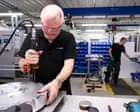
Nissan's Sunderland factory, once hailed as the "shining star" of the carmaker's global operations, is now running at barely half capacity and is seeking a deal to build cars for China's Chery as it battles ongoing threats stemming from Brexit. The plant, which opened in 1986 as the centrepiece of Margaret Thatcher's drive to attract international investment, has come to symbolise both the potential and the fragility of UK manufacturing, with its fortunes now feeding into Andy Burnham's wider reindustrialisation strategy for the north-east. Its survival matters beyond its own gates: smaller firms such as Gateshead-based Turntide, which makes electric motors and battery packs, have grown up around Nissan's supply chain and depend on its continued presence.
At its peak in 2016, the Sunderland plant produced 507,000 cars and was regarded as Nissan's most efficient factory worldwide, according to former global chief operating officer Andy Palmer. Since then it has weathered the pandemic, supply chain disruption, rising Chinese competition and the costly shift to electric vehicles, while the UK government provided £61m and later £101m in state aid to secure investment. The factory now faces fresh Brexit-related pressure from EU "rules of origin" requirements, which mandate that electric cars made in Britain contain UK- or EU-made batteries to avoid tariffs; many planned European battery projects have collapsed, leaving Nissan reliant on batteries from the neighbouring, Chinese-owned AESC gigafactory.
- Nissan's Sunderland plant runs at half capacity, seeks Chery car-building deal
- Once Nissan's top-performing global factory, symbol of Brexit-era uncertainty
- EU battery rules of origin threaten tariffs amid collapsed European battery projects
Both sides, in good faith
The strongest fair case each way — we don't pick a winner.
The case for
Those who see Brexit as central to the plant's difficulties argue that the EU's rules of origin requirements are a direct and foreseeable consequence of leaving the single market, and that the collapse of promised European battery projects has left British-built electric vehicles genuinely exposed to tariffs through no fault of the workforce or management. On this view, sustained and even expanded state support is a legitimate and necessary response, both to honour the promise of prosperity made when the plant was established and to protect the wider supply chain of smaller firms, such as Turntide, that have grown up around it. Retreating now, they argue, would waste the investment already made and abandon a community whose fortunes were tied to a decision it did not choose.
The case against
Others argue that attributing Nissan Sunderland's struggles primarily to Brexit oversimplifies a much broader set of pressures facing the global car industry, including the pandemic's aftermath, intense Chinese competition, and the enormous cost of the shift to electric vehicles, all of which have squeezed carmakers worldwide regardless of trading arrangements. From this perspective, repeated rounds of taxpayer-funded aid risk propping up a plant running at half capacity rather than allowing it to adapt on genuinely competitive terms, and the pursuit of a manufacturing deal with China's Chery suggests commercial pragmatism can find solutions that policy blame games cannot. They would contend that sound industrial strategy should be judged on its own merits rather than framed chiefly as a referendum on Brexit.