On scraps of land and under constant threat, Gaza farmers struggle to survive
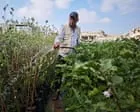
In Gaza, farmers are cultivating every scrap of undamaged land to stave off starvation, despite severe shortages of water, fertiliser and pesticide, and with more than 80% of greenhouses destroyed. The work is deadly: Saqer Abu Rabee's son Yousef, a leading figure in an agricultural collective, was killed by a drone strike while working his family's plot in Beit Lahiya in October 2024, and Abu Rabee's brother Bilal was killed in July while retrieving farming supplies. Abu Rabee believes farmers are being deliberately targeted for helping sustain Palestinian communities, a claim the Israel Defense Forces deny, saying they only strike imminent threats from Hamas.
Despite the dangers, Abu Rabee continues farming a 1.4-hectare plot that was bulldozed during the war, and says his family has produced hundreds of thousands of vegetable seedlings, helping crash local prices – aubergines now cost under two shekels a kilogram compared with 40 shekels months earlier. He argues Beit Lahiya, once known as Gaza's "food basket", is key to preventing famine. Although increased aid deliveries under the ceasefire have eased last year's famine conditions, UN agencies say 1.4 million people – 67% of Gaza's population – still face crisis-level food insecurity, and the FAO's director general has warned that recovery will stay fragile without rebuilt domestic food production.
- Gaza farmers cultivate scarce land amid shortages and deadly Israeli strikes
- Farmer's son and brother killed while working agricultural plots
- 67% of Gaza still faces crisis-level food insecurity despite aid increases
New here? Start with this
Gaza’s food supply has long depended on both aid and local farms. Beit Lahiya, in the north, was once a major source of produce, but war damage has destroyed much farmland and more than four in five greenhouses. Farmers also face shortages of water and basic supplies needed to grow crops.
Farmers such as Saqer Abu Rabee are trying to restore production on the land that remains. Their work takes place amid continuing danger: Abu Rabee’s son and brother were killed while working on or gathering supplies for the family farm. The Israeli military says it strikes only when it identifies an imminent threat from Hamas.
Aid deliveries have eased the most severe hunger conditions, but many people in Gaza still do not have reliable access to enough food. Local farming can help supply fresh produce and reduce prices, while rebuilding farms and greenhouses is a major part of making that food supply more secure.
Both sides, in good faith
The strongest fair case each way — we don't pick a winner.
The case for
The evidence of widespread agricultural destruction—80% of greenhouses destroyed, multiple farmers killed whilst working, and systematic damage to land that sustained Gaza's food security—suggests a pattern that extends beyond incidental war damage. Supporters of this perspective argue that deliberately eliminating a civilian population's ability to feed itself violates international humanitarian law, and that the scale and consistency of agricultural targeting, combined with severe food insecurity affecting 67% of Gaza's population, points to deliberate harm rather than unavoidable military necessity.
The case against
Defenders of the operations argue that Hamas deliberately operates within civilian areas and infrastructure, making it essential for military forces to strike throughout Gaza to neutralise genuine security threats. They contend that individual strike decisions reflect assessments of imminent threats rather than a strategy of agricultural destruction, and that the burden of proving deliberate targeting of the sector—rather than justified operations that happen to affect agriculture—lies with those making such allegations, especially given the fog of war and Hamas's deliberate use of civilian cover.