Politics news and discussion on TalkFuse.
Once shunned, Poland’s Ukraine-bashing firebrand sees political breakthrough
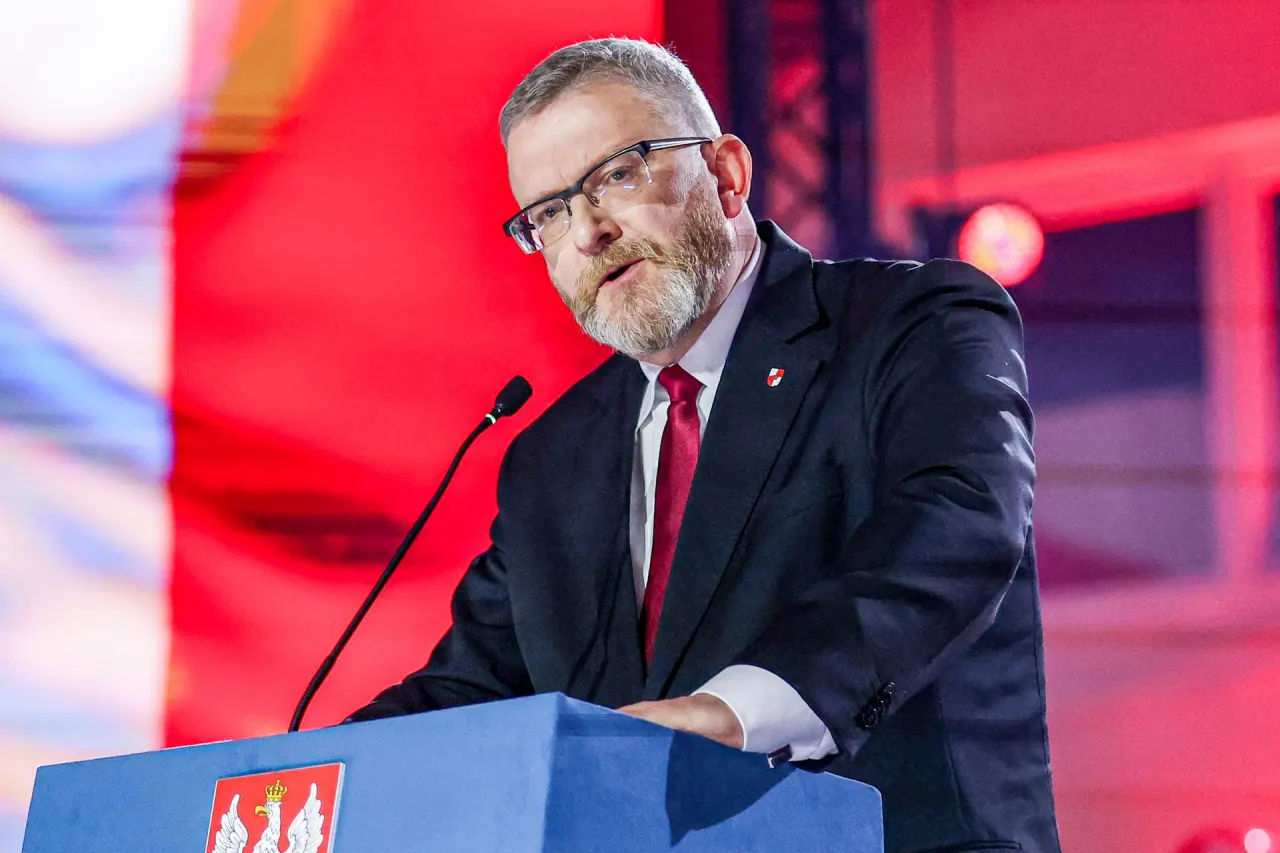
Poland’s far-right politician Grzegorz Braun is gaining acceptance among conservative leaders who previously kept their distance, as they consider uniting ahead of the 2027 election. His Confederation of the Polish Crown is polling at about 9%, giving it potential influence as the fragmented opposition seeks to challenge Prime Minister Donald Tusk’s government. The shift could also harden Poland’s approach to Ukraine and complicate relations between the two countries.
President Karol Nawrocki has hosted Braun’s representatives and included them in security discussions, while Law and Justice leader Jarosław Kaczyński has raised the possibility of a joint electoral list. Braun’s party calls for ending all military and financial aid to Ukraine and proposes changes at Rzeszow airport that could disrupt a key aid route; Braun has also attacked Ukrainian refugees and vandalised a UPA monument. He is more pro-Moscow than other major Polish conservatives, advocating renewed Russian gas supplies, while facing multiple charges over antisemitic, anti-LGBT and anti-Ukrainian stunts.
In short
- Braun’s party is polling at about 9%.
- Polish conservatives are considering electoral cooperation with him.
- His rise could further strain ties with Ukraine.
Steelman: both sides, in good faith
The strongest fair case each way — we don't pick a winner.
The case for
Conservative leaders could argue that engaging Braun reflects electoral reality: his party’s support is growing, and cooperation may help a fragmented opposition compete in 2027. Bringing his representatives into discussions could also give voters a voice in debate over the scale of aid to Ukraine and Poland’s security priorities.
The case against
Critics could argue that treating Braun as a viable partner risks normalising a politician facing charges over inflammatory stunts and whose rhetoric targets Ukrainians and other groups. His proposals to end aid and alter arrangements at Rzeszow could weaken Ukraine’s support and strain a relationship that many regard as important to Poland’s security.
Explained simply
Poland’s main opposition forces include Law and Justice, a conservative party that governed before Donald Tusk became prime minister, and smaller groups such as Grzegorz Braun’s Confederation of the Polish Crown. Braun is a far-right politician whose party has gained support while the opposition remains divided. Poland’s next parliamentary election is due in 2027.
Poland has been one of Ukraine’s important supporters since Russia launched its full-scale invasion in 2022, providing military and financial aid and serving as a route for supplies. Braun’s party wants that aid stopped and has called for changes affecting the route through Rzeszow airport. A stronger role for his party could influence Poland’s policy towards Ukraine and its relations with Kyiv.
Elections Europe Politics World