One anti-war critic fined, another held as Russia clamps down on opponents
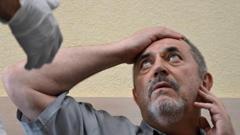
Russian authorities have intensified their crackdown on critics of the war in Ukraine, detaining blogger Ilya Remeslo and blocking politician Boris Nadezhdin from standing for parliament. The moves highlight the Kremlin's continued efforts to silence dissent, even as reports suggest President Vladimir Putin's popularity may be slipping amid economic pressures linked to the conflict.
Remeslo, once a firm Putin supporter, was remanded in custody for two months on suspicion of spreading false information about the military after publicly denouncing the president as a "war criminal" in March. Nadezhdin, 63, a former presidential hopeful on an anti-war platform, was convicted of "displaying extremist symbols" over a reposted video briefly showing Alexei Navalny, resulting in a fine of 1,000 roubles (£9.50) and disqualification from collecting signatures for September's parliamentary elections. Both men deny wrongdoing and say the charges are designed to silence them, while recent opinion polls indicate declining support for Putin amid fuel shortages caused by Ukrainian strikes on Russian oil infrastructure.
In short
- Russia detains ex-Putin loyalist blogger over anti-war remarks
- Politician Nadezhdin fined, barred from September parliamentary election
- Crackdown comes as polls suggest Putin's popularity is falling
Explained simply
Russia launched military operations in Ukraine in 2022. The Russian government has enacted strict laws punishing criticism of the military campaign, and people who speak out against the war or President Vladimir Putin face legal penalties. This is part of a broader government strategy to control public opinion and suppress dissenting voices.
Ilya Remeslo is a blogger who once supported Putin but has recently become an opponent of the war, publicly calling the president a "war criminal". He has been detained and faces charges of spreading false information about the military. Boris Nadezhdin is a politician who has stood for office on an anti-war platform; he has been convicted of displaying what authorities call extremist symbols and prevented from running in parliamentary elections.
These cases illustrate the harsh penalties for opposing Russia's military campaign. The situation is notable because recent opinion polls suggest President Putin's public support may be weakening, in part due to economic hardship linked to the war, including fuel shortages caused by Ukrainian strikes on Russian oil facilities. Both men deny the charges and claim they are being prosecuted to silence them.
Business Europe Government Markets Politics World