Health news and discussion on TalkFuse.
Met pilot finds drugs in at least four vapes seized from pupils
Developed over time first seen 1 day ago
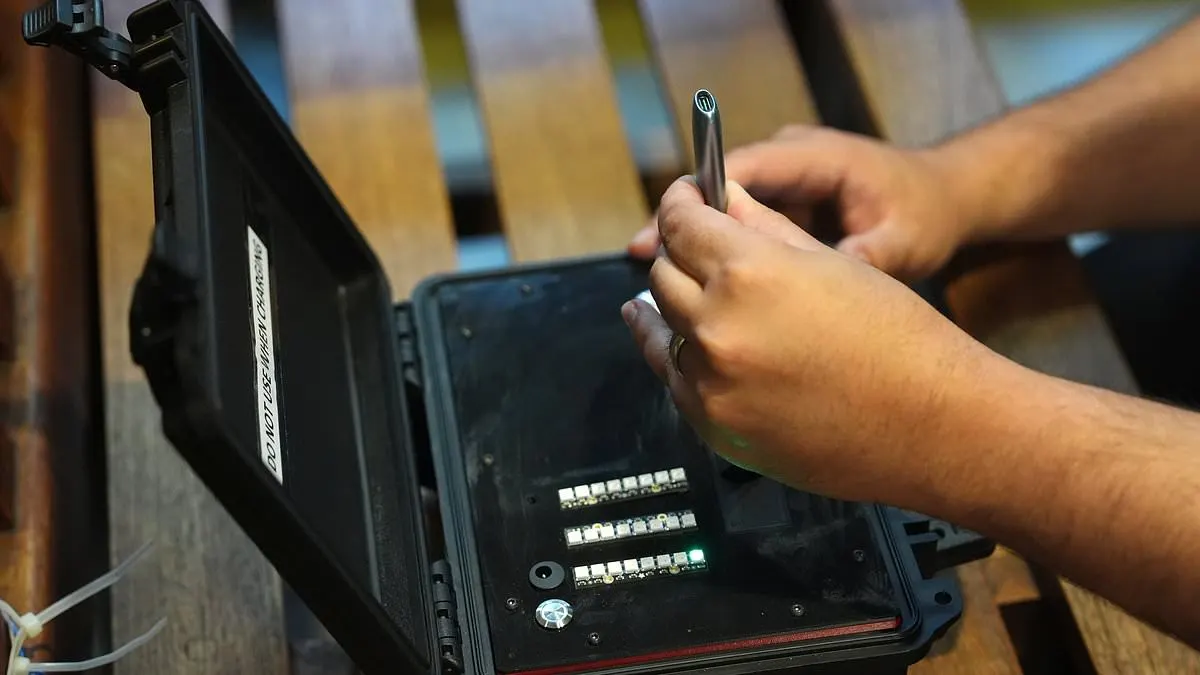
A Metropolitan Police pilot found illicit substances in at least four vapes seized from pupils in south-west London, highlighting a potential safeguarding risk for children and young people. Police say some pupils have become unexpectedly ill after using vapes they believed were safe, and are warning families and schools about counterfeit or adulterated devices.
Officers tested 32 seized vapes; three more are awaiting laboratory results but are suspected of containing illicit materials. The Met received around 200 reports linked to spiking offences involving child victims over the past year. The findings follow a University of Bath study which found spice in up to a quarter of vapes confiscated from secondary schools in England.
- Sources
- 2
- Outlets
- 2
- Left · Centre · Right
- 0 · 0 · 2
In short
- Four of 32 seized pupil vapes contained illicit substances.
- Three more devices are awaiting laboratory results.
- Police recorded around 200 child-related spiking reports in a year.
How this story developed
- 21 hours ago Police also suspect three further seized vapes contain illicit substances, with laboratory results still pending; the Met reported about 200 spiking-related reports involving child victims over the past year, while a University of Bath study found spice in up to a quarter of vapes confiscated from English secondary schools.
- 21 hours ago A Metropolitan Police pilot found illicit substances in at least four of 32 vapes seized from pupils in south-west London, raising concerns that children could become ill after unknowingly using drug-laced devices.
Full account
A Metropolitan Police pilot found illicit substances in at least four of 32 vapes seized from pupils at schools in south-west London. Three more devices are awaiting laboratory results and are suspected of containing illicit material. The force said the substances detected included cannabinoids, THC and spice, a synthetic drug. The findings point to a safeguarding concern for schools, where vapes may be used to deliver drugs discreetly.
Officers used specialist equipment to screen the seized devices. The Met said the detector has mainly been used in school settings and has more recently been deployed in London bars, clubs and other entertainment venues as part of work to address spiking. The force described the pilot as an initial investigation of this kind and said officers had spoken to pupils about the risks of vaping and spiking.
The Met said it had received around 200 reports connected with spiking involving child victims over the past year. Its account links some incidents to young people becoming unexpectedly unwell after using vapes they thought were ordinary products, though the reports do not establish that every case involved a vape. Deputy Assistant Commissioner Ben Russell said the results showed that dangerous substances were reaching products used by young people, and that the force was working with schools and safeguarding partners as well as pursuing those responsible.
Both reports refer to an April incident at a Kingston college, where a 17-year-old lost consciousness after allegedly using a vape thought to contain drugs. GB News adds that a later search uncovered cannabis, a vape and a bottle labelled as containing 5,000mg of THC, and says forensic analysis confirmed a Class B drug in two vaping products. The other report does not include those details. Separately, it cites a University of Bath study which found that up to a quarter of vapes confiscated from secondary schools in England contained spice; that study is not part of the Met pilot.
Where outlets differ
From the full account, which is AI-written from the sources:
The reports agree that four of the 32 seized vapes tested positive, but describe the substances and the count differently: the first says at least four contained cannabinoids and spice, with three further devices awaiting results and believed to contain illicit material; GB News characterises the result as one in eight, or four of 32, and names THC and spice.
The first report gives wider context from the University of Bath study and describes around 200 reports involving child victims. GB News gives additional details about the Kingston college case, including the recovered items and forensic results, and says the reports were linked specifically to vape-spiking incidents.
GB News calls the detector the only system of its kind in the UK and describes its traffic-light screening process. The first report does not make either claim, but gives more detail about school engagement and the Met's broader safeguarding approach.
Explained simply
Vapes are electronic devices that heat a liquid into an aerosol for inhaling. Some contain nicotine, while others may contain cannabis-related or other illicit substances; the contents are not always clear to the person using them.
The Metropolitan Police, known as the Met, serves London. Its pilot involved vapes taken from pupils in south-west London, with some samples found to contain illicit substances and others still awaiting test results. The findings matter because pupils may become unwell after using a vape they believe is safe, and police reports and school studies suggest the issue extends beyond one school.
Coverage · 2 sources
Bias meters
From 2 rated sources.
Read the full article at the source →
Originally published by Daily Mail as “One in eight vapes seized from pupils were laced with drugs”.