One in four drivers will put off driving after clock change thanks to dazzling headlights
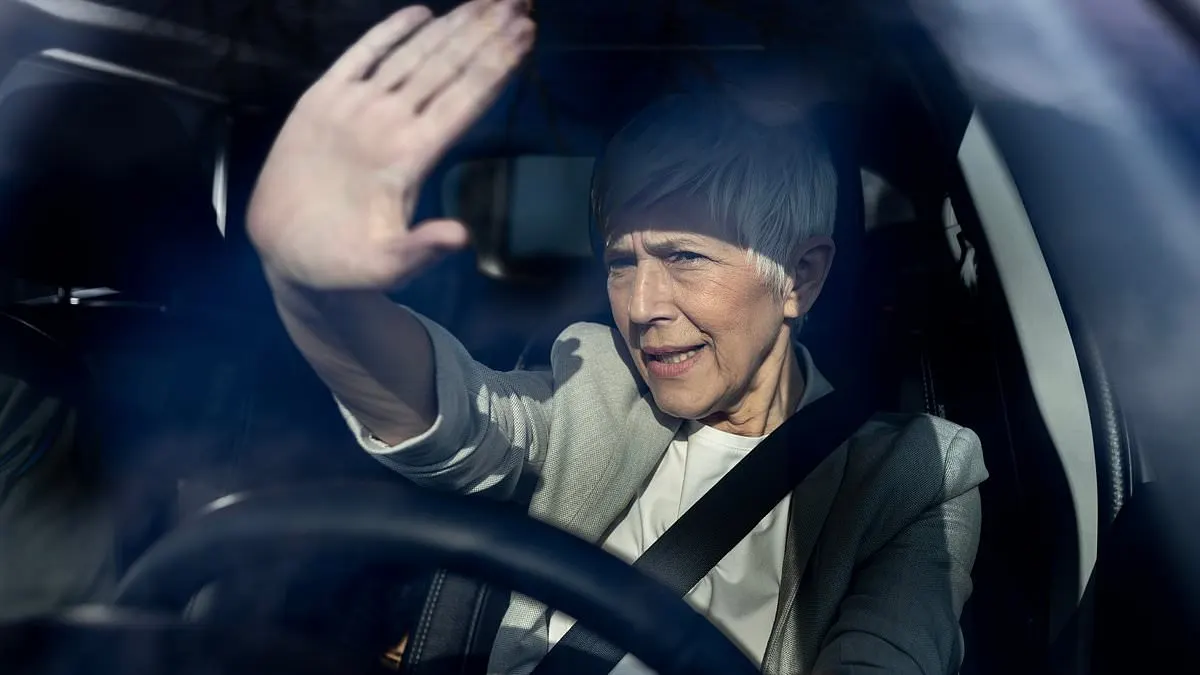
New research from the RAC suggests headlight glare is causing many drivers to worry about driving as darker evenings arrive, with some planning to cut back on night journeys. The findings matter because drivers say glare makes it harder to see hazards and judge other vehicles, while also affecting social contact and access to appointments.
Among drivers affected by glare, 21 per cent plan to drive less after the clocks change and 3 per cent intend to stop driving at night. In a survey of 1,208 drivers, half said bright headlights made hazards harder to spot, while 47 per cent struggled to judge oncoming vehicles’ position; a third reported temporary blindness and one in seven had narrowly avoided a collision. The RAC says further UK research is expected following a Government commitment, and advises drivers dazzled by headlights to slow down safely.
In short
- Headlight glare is worrying drivers as darker evenings begin.
- One in five affected drivers plan to drive less.
- Further UK research is expected after a Government commitment.
Explained simply
The clocks changing in autumn brings darker evenings earlier, so more journeys take place in low light. Drivers rely on headlights to see the road and help others see them, but bright or poorly aimed lights can cause glare.
Glare can make it harder to spot hazards or judge where an oncoming vehicle is, and may briefly affect a driver’s vision. This matters beyond road safety: people who feel unable to drive at night may find it harder to see friends or get to appointments.