One in three North Korean refugees from nuclear test area have mutations
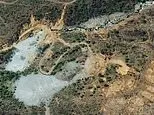
A South Korean government study has found that one in three North Korean defectors from the area around the Punggye-ri nuclear test site show chromosomal mutations, adding weight to concerns that the North's nuclear testing programme caused lasting harm to nearby residents. The five-year research, conducted by South Korea's National Radiation Emergency Medical Centre on behalf of the unification ministry, was presented to South Korea's National Assembly, though officials cautioned that other environmental factors could not yet be ruled out and called for further testing to confirm the link.
Of 214 defectors tested overall, 64 showed genetic changes potentially linked to radiation exposure, while the most recent round of tests, carried out last year on 59 people from eight cities and counties near the site, found chromosomal abnormalities in 26 of them, around 40%. Researchers plan to recruit 50 new participants and 10 returning subjects for further study this year; roughly 800 North Koreans from the area have resettled in South Korea. Punggye-ri, where the North conducted its first nuclear test in 2006 and several more since, including two in 2016, suffered a fatal tunnel collapse in 2017 that reportedly killed 200 workers, prompting warnings from South Korea and China about the risk of radioactive fallout. North Korea claimed to have dismantled the site in 2018, though analysts noted signs of its rehabilitation in 2022.
- Study: a third of defectors near North Korea's nuclear site have mutations
- Latest tests found abnormalities in about 40% of local residents
- Researchers seek more data to confirm the radiation link