World news and discussion on TalkFuse.
One killed in Bangladesh clashes ahead of ex-PM Hasina’s avowed return
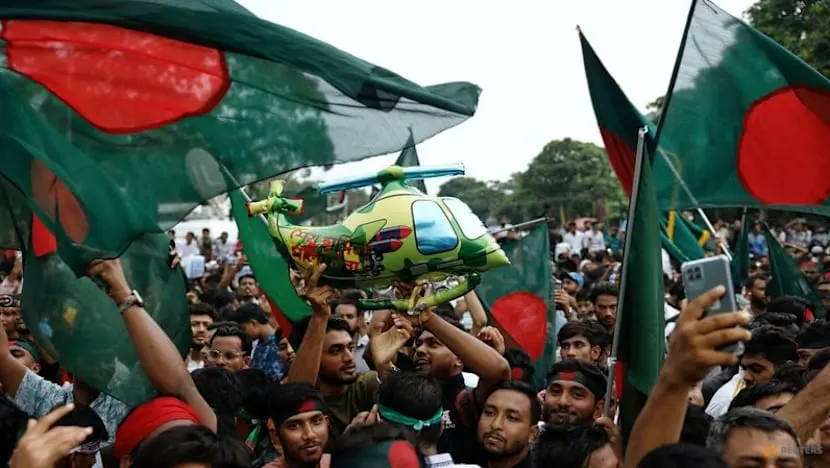
A man believed to be an Awami League activist was killed during clashes in Bangladesh, as violence also flared in Sheikh Hasina’s hometown ahead of her declared return from exile in December. The unrest reflects deep political tensions following the former prime minister’s ousting and the ban on her party’s activities.
In Shariatpur district, police said Ibrahim Sepahi died on the way to hospital after rival groups exchanged Molotov cocktails near a key route to Dhaka. In Gopalganj, Hasina supporters clashed with Bangladesh Nationalist Party activists, and witnesses reported fires at shops, stalls and motorcycles. Hundreds of extra paramilitary troops were deployed as the Awami League called a two-day nationwide strike; Hasina, 79, has been sentenced to death in absentia over the 2024 crackdown.
In short
- One man died in clashes in Shariatpur.
- Violence also broke out in Hasina’s hometown.
- The Awami League called a two-day nationwide strike.
Steelman: both sides, in good faith
The strongest fair case each way — we don't pick a winner.
The case for
Those who back the ban and the death sentence argue that the 2024 crackdown caused grave loss of life and that its alleged organisers must answer for it before normal politics can resume. They see the ban as a necessary safeguard against renewed violence during a fragile transition, and the trials as a route to justice for victims' families. On this view, a party whose leadership is accused of directing mass abuses cannot simply return to the field without accountability.
The case against
Critics argue that banning the country's largest mainstream party excludes millions of voters and turns political disagreement into a question of law, which weakens democratic competition. They question whether a sentence passed in absentia can be credible when the courts operate under the authority that replaced the former government, and they warn that accountability delivered this way may look like retribution. Many also contend that exclusion pushes grievances onto the streets, as the clashes in Shariatpur and Gopalganj illustrate, and that lasting stability requires an open process in which all parties can compete.