One Nation politicians their backs during Acknowledgement of Country as Parliament returns
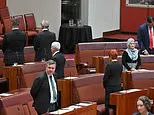
One Nation politicians turned their backs during the Acknowledgement of Country as the Australian Parliament resumed sitting, a gesture of protest the minor party has used before against the practice. The move reignited debate over the ceremony, which recognises Aboriginal and Torres Strait Islander peoples as traditional custodians of the land, with critics branding the act disrespectful and supporters defending it as a stand against what they see as excessive symbolism in official proceedings.
The Acknowledgement of Country is now a routine part of the opening of parliamentary sittings in Australia, and One Nation, led by Pauline Hanson, has repeatedly objected to its use, arguing it has become overused and divisive. Previous instances of similar protests by the party have drawn rebukes from other parliamentarians and renewed discussion about the role of Indigenous recognition in official government proceedings.
In short
- One Nation politicians turned backs during Acknowledgement of Country at Parliament's return
- Move seen as continued protest against the Indigenous recognition ceremony
- Sparked fresh criticism and debate over its place in parliamentary tradition
Steelman: both sides, in good faith
The strongest fair case each way — we don't pick a winner.
The case for
Advocates of the protest argue that Parliament's business should focus on legislating for all Australians rather than repeating a ceremonial statement at every sitting, and that when a gesture becomes routine and mandatory it risks losing meaning and being seen as performative rather than genuine. They contend that elected representatives should be free to express dissent from official rituals without being cast as bigots, viewing their refusal as a principled stand against what they see as enforced conformity and symbolism displacing substantive action on Indigenous disadvantage. For them, respect for Indigenous Australians is better shown through practical outcomes than through repeated formal words.
The case against
Supporters of the Acknowledgement of Country argue it is a simple, low-cost gesture of respect that recognises the unique status of Aboriginal and Torres Strait Islander peoples as the continent's first inhabitants and custodians, and that turning one's back on it in the nation's Parliament is a deliberate and public rejection of that recognition. They see the practice as part of a broader, still-unfinished process of reconciliation, and argue that elected officials, as representatives of the whole community including Indigenous constituents, have a particular obligation to model basic courtesy even towards customs they might personally question. To them, dismissing the acknowledgement as mere symbolism undervalues its importance to Indigenous communities and to the wider project of acknowledging historical wrongs.
Explained simply
One Nation is a minor Australian political party founded by Pauline Hanson, who remains its leader and a senator. The party has built its identity around opposing what it describes as excessive political correctness and multiculturalism, and it has previously staged similar protests against Indigenous recognition practices in official settings.
The Acknowledgement of Country is a short spoken statement, delivered at the start of many official events and parliamentary sittings in Australia, that recognises Aboriginal and Torres Strait Islander peoples as the traditional owners of the land. It became a standard feature of federal parliamentary proceedings as part of broader efforts towards Indigenous recognition, though its use and meaning remain a point of political disagreement.
This matters because it touches on wider, ongoing debates in Australia about how the country acknowledges its Indigenous history and peoples in public life, and how far such recognition should extend within formal institutions like Parliament. Disputes over the acknowledgement often reflect deeper divisions over reconciliation, national identity and the pace of change in government practices.
Geopolitics Government Politics World