One Nation vows to ramp up gas exploration and scrap ‘nonsense’ renewable projects as Pauline Hanson unveils new energy policy in Victoria
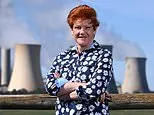
One Nation has unveiled a new energy policy for Victoria that would boost gas exploration, scrap two major renewable energy zones, and reverse the state's long-standing ban on nuclear power. Federal leader Pauline Hanson and Victorian leader Warren Pickering launched the plan at the Loy Yang coal plant in the Latrobe Valley, arguing the state needs a more reliable energy mix built around coal and gas rather than renewables. The policy could prove significant ahead of November's state election, as One Nation seeks to capitalise on regional discontent over transmission projects and its recent by-election win in Western Australia.
Under the plan, One Nation would try to keep Loy Yang, which supplies 30 per cent of Victoria's electricity, running beyond its scheduled 2035 closure, potentially with private investment, though no costings were provided. The party would abolish the Western and Coastal Renewable Energy Zones, strip VicGrid of its powers to compulsorily acquire land for transmission projects, and scrap the contentious VNI West transmission line. It would also back offshore gas exploration, new coal investment and repeal of Victoria's 1983 nuclear ban. Hanson separately pledged to wipe fines imposed on farmers who denied planners access to their land, telling them not to pay ahead of an expected "big change" in November.
- One Nation unveils Victorian energy policy favouring gas, coal and nuclear
- Party would scrap renewable energy zones and VNI West transmission line
- Hanson vows to wipe fines on farmers who blocked land access
New here? Start with this
Victoria’s electricity system is changing as ageing coal plants are due to close and new wind and solar projects need connections to the grid. Renewable energy zones are areas set aside for large projects, while transmission lines carry electricity over long distances; plans for new lines have prompted disputes over their routes and the use of private land.
One Nation is a political party led federally by Pauline Hanson, with Warren Pickering leading its Victorian branch. Its proposed mix of coal, gas and possible nuclear power differs from state plans that rely more on renewable energy, and would affect how Victoria generates and delivers electricity.
The debate matters to households, businesses and regional communities because energy choices can influence supply, bills, jobs and land use. Victoria’s state election is due in November, making energy policy an issue for voters weighing competing plans for the state’s future power system.
Both sides, in good faith
The strongest fair case each way — we don't pick a winner.
The case for
Supporters could argue that Victoria needs dispatchable power to keep electricity reliable and affordable as coal plants retire, and that more gas exploration and investment could reduce supply risks. They may also say renewable zones and transmission lines impose significant costs and disruption on regional communities, so projects should proceed only with stronger local consent; allowing nuclear power would widen future options.
The case against
Critics could argue that extending coal generation and expanding gas exploration would prolong reliance on high-emissions fuels, while scrapping renewable zones and transmission links could make it harder to replace ageing plants with cleaner electricity. They may also contend that abandoning planned projects and weakening land-acquisition powers could delay investment and leave reliability dependent on costly or unproven alternatives.
Art Climate Culture Elections Government Politics Science World