Technology news and discussion on TalkFuse.
One of AI’s Fiercest Critics Says All the Doom Talk Is ‘Meant to Distract Us’
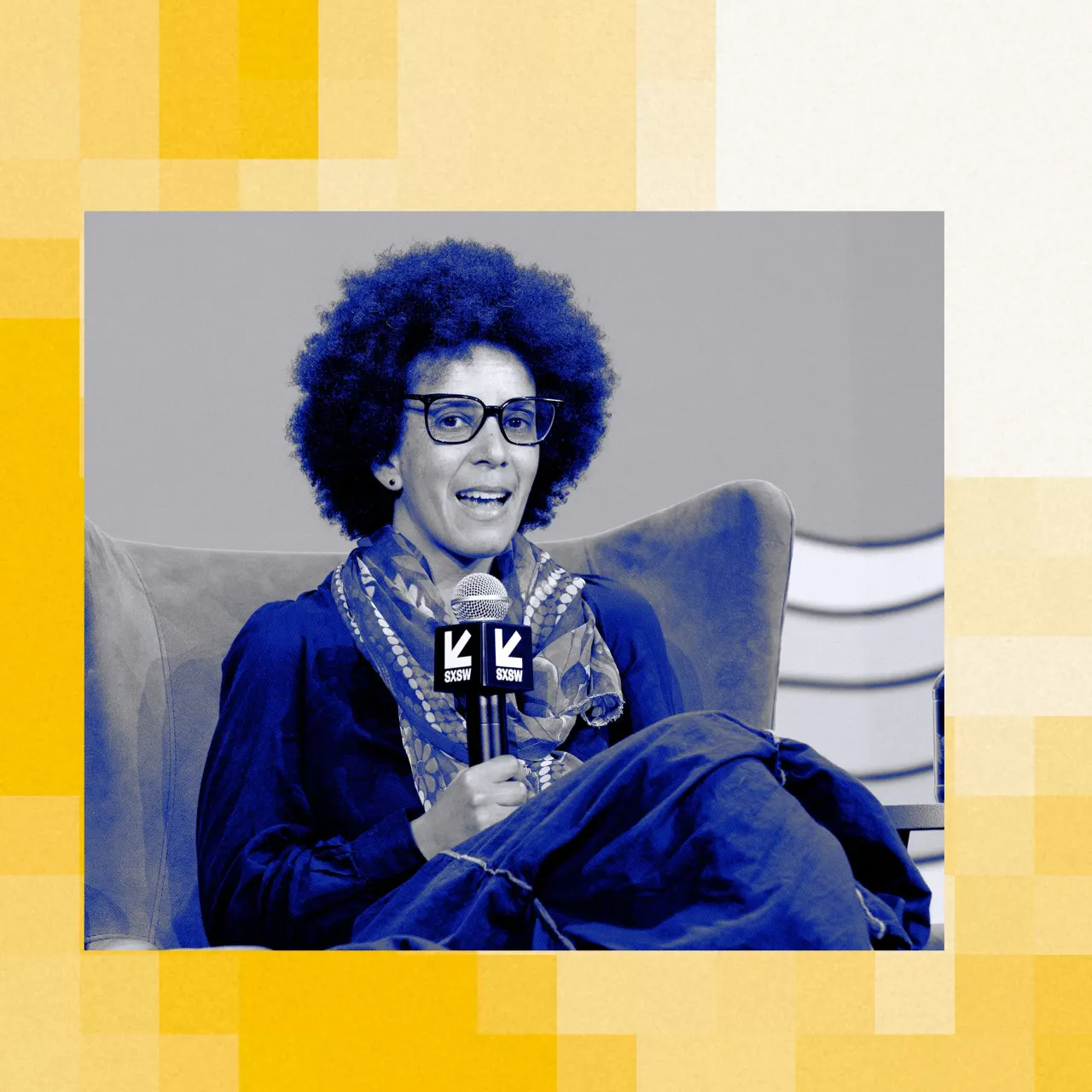
Wired interviewed AI researcher Timnit Gebru, a prominent critic of the artificial intelligence industry, about the current wave of debate over AI "doom" scenarios and existential risk. Gebru, best known for her 2020 departure from Google after raising concerns about the dangers of large language models, argues that apocalyptic warnings from AI labs distract the public from more immediate, tangible harms caused by the technology, and she rejects the framing implied by terms like "safety and alignment".
In the interview, Gebru criticises AI firms such as OpenAI for hyping breakthroughs in narrow domains like mathematics, chess and programming as evidence of "solved" intelligence, arguing this lets companies control the narrative ahead of press coverage and regulation rather than allowing proper expert scrutiny, citing the Leiden Declaration on the responsible use of mathematics by corporations. She also addresses the resignation of an Anthropic engineer who accused AI companies of recklessness, using the analogy of a collapsing bridge to argue that the focus should be on the people and companies building flawed systems rather than on speculative fears of AI "going rogue", tracing her position back to her 2021 "stochastic parrots" paper.
In short
- Timnit Gebru says AI "doom" talk distracts from real, current harms.
- She criticises AI firms for hyping narrow feats like maths as "solved intelligence".
- Compares AI risk debate to blaming a bridge, not its builders, for collapsing.
Steelman: both sides, in good faith
The strongest fair case each way — we don't pick a winner.
The case for
Warnings about AI’s long-term or existential risks can draw attention to serious questions about control and safeguards before systems become more capable. Advocates of this focus may argue that preparing early is responsible, and that public debate about possible future dangers need not prevent scrutiny of harms AI already causes.
The case against
Emphasising speculative catastrophe can divert attention and resources from harms that are already measurable, such as bias, exploitation and the effects of deploying poorly tested systems. A focus on dramatic future scenarios may also give AI companies undue influence over the public narrative and regulation, while sidelining affected communities and independent scrutiny.
Explained simply
Timnit Gebru is an AI researcher known for questioning how technology companies build and promote artificial intelligence. In 2020, she left Google after a dispute over research about the risks of large language models, which generate text from patterns in their training data.
AI companies and researchers disagree about which risks deserve most attention. Some warn that advanced AI could one day threaten humanity; Gebru argues that this focus can draw attention away from present-day harms, such as problems caused by systems already in use.
Companies including OpenAI and Anthropic develop powerful AI systems and shape public debate about them. The disagreement matters because claims about what these systems can do may influence public understanding, expert scrutiny and decisions about regulation.