Culture news and discussion on TalkFuse.
Onimusha: Way of the Sword review
Developed over time first seen 3 months ago
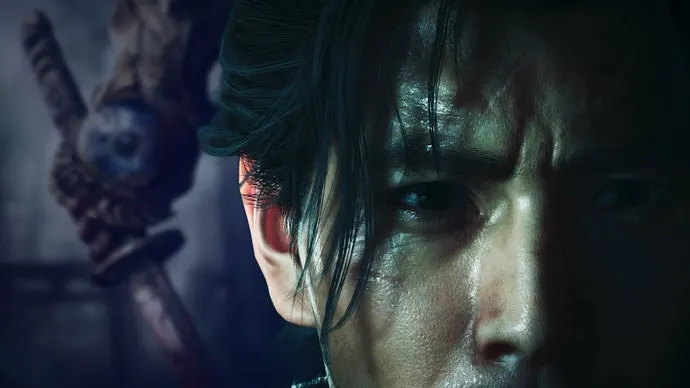
Eurogamer's review of Onimusha: Way of the Sword concludes that Capcom has built the game's combat around the philosophy of real-life swordsman Miyamoto Musashi, whose treatise The Book of Five Rings prizes patience, observation and intuitive judgement over brute aggression. The reviewer argues this produces a demanding, old-fashioned action game that rewards reading and countering enemies rather than chaining combos, setting it apart from genre peers such as Nioh, Wo Long and even Sekiro, and calls it a more convincing swordsman "role-play" than any of those titles.
Central to the combat is the "issen", a parry-like counterstrike triggered by correctly anticipating a light or heavy enemy attack, which the review says is far more rewarding than standard attack strings and enables lethal follow-ups. Clear visual cues — flashing telegraphs for deflect-only attacks, red for undodgeable strikes, blue for dodge-only ones — guide split-second decisions, likened to a "Simon Says" system, while enemy animations are praised as more detailed than FromSoftware's. The review flags the game as punishingly hard and likely to frustrate some players, particularly fans of more acrobatic action titles, but ultimately frames it as a tightly constructed power fantasy for those who master it.
- Sources
- 4
- Outlets
- 4
- Left · Centre · Right
- 0 · 0 · 0
In short
- Eurogamer praises Onimusha: Way of the Sword's Musashi-inspired combat system.
- The "issen" parry-counter mechanic rewards patience over aggression.
- Game is very difficult, favouring reading enemies over button-mashing.
How this story developed
- 2 months ago Eurogamer's review of Onimusha: Way of the Sword argues that Capcom has built the game's combat system around the philosophy of real-life swordsman Miyamoto Musashi, whose treatise The Book of Five Rings emphasises patience, observation and intuitive judgement over brute aggression.
- 3 months ago Eurogamer's review of Onimusha: Way of the Sword concludes that Capcom has built the game's combat around the philosophy of real-life swordsman Miyamoto Musashi, whose treatise The Book of Five Rings prizes patience, observation and intuitive judgement over brute aggression.
- 3 months ago Eurogamer's review of Onimusha: Way of the Sword expands on its earlier verdict, detailing how Capcom's combat design deliberately channels swordsman Miyamoto Musashi's own philosophy of patience and observation from his treatise The Book of Five Rings.
- 3 months ago Eurogamer's review of Onimusha: Way of the Sword praises Capcom's approach to combat in the game, which is loosely based on the life of legendary swordsman Miyamoto Musashi.
Steelman: both sides, in good faith
The strongest fair case each way — we don't pick a winner.
The case for
Grounding combat in observation and counter-striking, inspired by Musashi's philosophy, creates deeper intellectual engagement and more authentic martial roleplay than flashy combo systems. This approach makes skill mastery feel genuinely earned, rewarding players who value tactical depth and the precise reading of opponents over button-mashing.
The case against
Fluid, combo-based action systems offer equally valid rewards through kinetic satisfaction, creative expression, and dynamic gameplay that doesn't sacrifice tactical skill but distributes it differently. Players seeking immediate visceral feedback and acrobatic movement may find a patience-centred, counter-focused system overly restrictive and punishing compared to the flow state these alternative systems provide.
Explained simply
Onimusha is a Capcom action-adventure series that began in 2001, originally built around a real-life historical figure reimagined as a demon-slaying samurai. Way of the Sword is the latest instalment, and the review under discussion focuses on its combat system, which draws heavily on the writings of Miyamoto Musashi, a famous 17th-century Japanese swordsman whose treatise The Book of Five Rings is a well-known text on strategy and combat philosophy.
The game sits within a crowded field of tough, sword-based action titles, often nicknamed "soulslikes" after the influential Dark Souls series, which includes games like Nioh, Wo Long and Sekiro. These games typically demand precise timing, careful observation of enemies and harsh punishment for mistakes, rather than button-mashing.
This matters because reviews of games in this genre are often judged on how well they balance difficulty with fairness, and on whether their combat feels distinctive rather than a copy of established rivals. The discussion here centres on specific mechanics, such as a well-timed counterattack move and visual signals that help players react to different enemy attacks correctly.
Coverage · 4 sources
Art Culture Entertainment Gaming Music Research Science