Politics news and discussion on TalkFuse.
Online content creators will have to follow French election pluralism rules, media regulator says
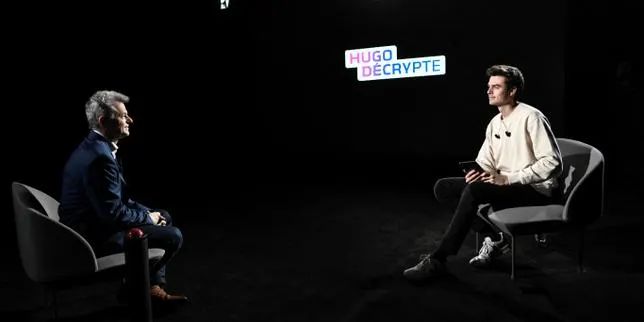
France’s media regulator, Arcom, says major online content creators will have to follow election pluralism rules during the 2027 presidential campaign. The extension brings influential YouTubers and podcasters under rules already applied to television and radio, aiming to ensure political coverage includes a range of candidates and parties.
The rules require broadcasters to provide airtime to all presidential candidates or parties running for office. Arcom’s move reflects the growing role of online creators in political information, though the available article details do not specify which creators will be covered or how compliance will be assessed.
In short
- Arcom is extending election pluralism rules to major online creators.
- The change applies to YouTubers and podcasters during the 2027 campaign.
- TV and radio already face airtime requirements for candidates and parties.
Steelman: both sides, in good faith
The strongest fair case each way — we don't pick a winner.
The case for
Applying pluralism rules to influential online creators could help voters hear from a range of candidates as political discussion shifts beyond television and radio. Supporters may see comparable reach as grounds for comparable obligations, promoting fair access and reducing the risk that a few popular voices dominate election coverage.
The case against
Extending broadcast rules to online creators could constrain editorial independence and make informal political commentary harder to distinguish from regulated coverage. Without clear criteria for which creators are covered and how compliance is assessed, the policy may create uncertainty or impose burdens that are difficult for smaller outlets to meet.
Explained simply
France’s media regulator, Arcom, oversees rules for television and radio, including requirements for political coverage during elections. These rules are intended to ensure that candidates and parties receive a fair opportunity to be heard.
More people now get political information from online creators, including YouTubers and podcasters. Applying election pluralism rules to some creators brings them into a framework previously used for broadcasters, though the details of who will be covered and how the rules will be checked are not specified here.
Elections Europe Politics Trending Weird & Viral World