Open Cosmos steps up Europe’s space sovereignty game, shows off ConnectedCosmos satellites
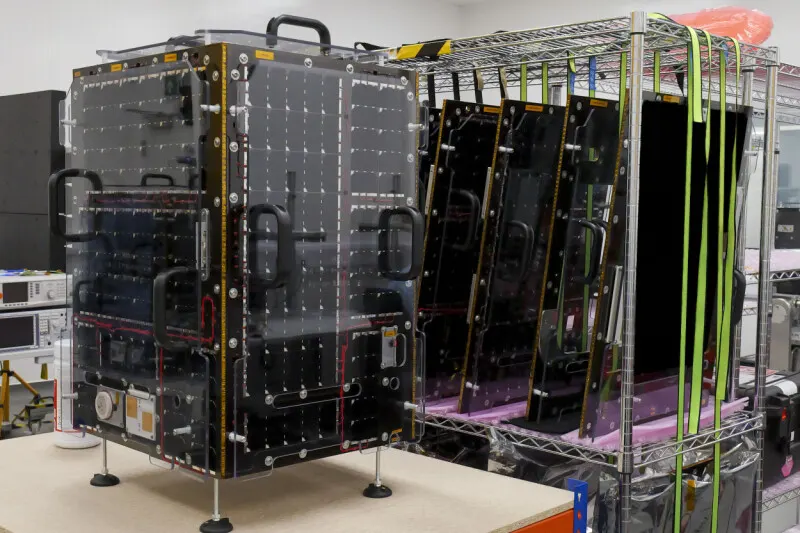
Open Cosmos is developing ConnectedCosmos, a European satellite network intended to offer governments, institutions and businesses an alternative to relying on foreign-controlled connectivity. The project has gained relevance amid renewed scrutiny of how satellite services could be restricted or withdrawn.
Its first two satellites entered orbit in January 2026, and the company plans to operate more than 96 by the end of 2028, with full coverage targeted for 2030. The core network is planned to comprise 192 satellites, operating above 1,000 kilometres and offering latency of 30 to 80 milliseconds. Open Cosmos says it can build a satellite a day and is focusing direct-to-device services on the Internet of Things, rather than smartphones.
In short
- Open Cosmos is building a European satellite connectivity network.
- Two ConnectedCosmos satellites are already in orbit.
- The company targets 192 core satellites and coverage by 2030.
Steelman: both sides, in good faith
The strongest fair case each way — we don't pick a winner.
The case for
A European-controlled satellite network could give governments and businesses more dependable access to communications if foreign providers restrict or withdraw service, while strengthening Europe’s strategic autonomy. Its focus on connecting Internet of Things devices could support practical uses without requiring it to compete directly with established smartphone networks.
The case against
Building an independent network could be costly, and its value will depend on whether it can deliver reliable coverage and compete with existing providers. Relying on a separate European system may also duplicate infrastructure, while the planned scale and timetable remain ambitions whose delivery is not yet established.
Explained simply
Satellites can relay data between places that are difficult to connect by cables or mobile networks, including ships, remote communities and infrastructure. Many services depend on networks run by companies based outside Europe, prompting debate about how reliably governments and businesses can access them.
Open Cosmos is a European company developing ConnectedCosmos, a network intended to provide satellite connectivity to governments, institutions and businesses. Its planned direct-to-device links are aimed at small connected devices, such as sensors, rather than ordinary mobile phones.
The project matters because satellite links can support communications and monitoring across large areas, while control of the network affects who can set its terms and keep it available. The plan is part of a wider European effort to have more control over important digital infrastructure.