Technology news and discussion on TalkFuse.
OpenAI pledges greater transparency as data centre opposition grows
Developing story first seen 6 hours ago
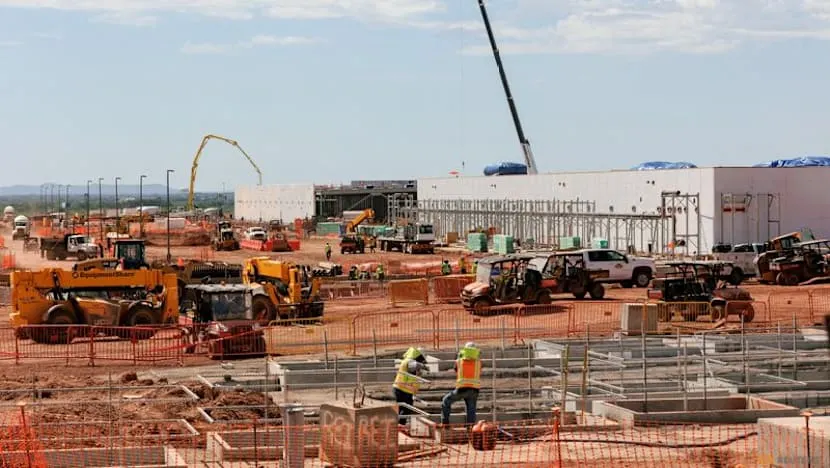
OpenAI has set out new steps to build trust with communities as opposition to data centres grows after this week’s US elections. The company says it wants residents to see how its facilities could benefit them, while addressing local concerns about construction and operations.
OpenAI says it will stop using non-disclosure agreements with public officials in discussions about future sites, while keeping proprietary information confidential, and will share plans showing potential effects on traffic, noise and lighting. It says hardware upgrades every three to five years will support ongoing jobs; one planned southern Ohio facility is projected to create 2,500 long-term jobs paying an average of $80,000 a year. Democrats won governorships in Texas, Georgia and Ohio after pledging tighter controls, and all but one of 41 data-centre ballot measures this week opposed the projects.
- Sources
- 2
- Outlets
- 2
- Left · Centre · Right
- 0 · 1 · 0
In short
- OpenAI will share more information with communities about proposed data centres.
- A southern Ohio facility is projected to support 2,500 long-term jobs.
- Election results point to growing political resistance to data centre expansion.
How this story developed
- 3 hours ago OpenAI added that equipment upgrades every three to five years would support lasting jobs, including a projected 2,500 roles paying an average of $80,000 annually at a planned southern Ohio centre, as election results and 40 of 41 ballot measures opposed data centre expansion.
- 3 hours ago OpenAI outlined plans to build community trust as resistance to US data centres grew, promising to end non-disclosure agreements with public officials and disclose likely effects on traffic, noise and lighting while keeping proprietary details confidential.
Full account
OpenAI has set out new commitments on how it will develop future data centres, promising greater openness with local communities and measures to limit pressure on power and water supplies. The company says the policies have been in development since August, before this week’s US election results. Their announcement comes amid growing public resistance to data centre expansion.
Under its National Community Compact, OpenAI says it will not use non-disclosure agreements with public officials in discussions about potential sites, though it will continue to protect commercially sensitive information. It also promises to make construction plans available to residents, including information about possible effects on traffic, noise and lighting. The company says it will publish each site’s electricity and water use and develop a water plan for host communities, prioritising closed-loop or other low-water cooling systems.
OpenAI says it will cover the full cost of the electricity its facilities consume, along with the power infrastructure and upgrades needed to supply them. That pledge addresses concerns that utilities could pass the expense of new infrastructure or demand peaks on to households and local businesses. The company also argues that its campuses can support local employment. Chief global affairs officer Chris Lehane said equipment would need replacing every three to five years, creating continuing work; he cited an Ohio facility expected to provide 2,500 long-term jobs, with average annual pay of $80,000.
The pledges follow election results that have sharpened scrutiny of the industry. Democrats won key contests, including governorships in Texas, Georgia and Ohio, with some candidates calling for pauses on permits or tighter building rules. One report said nearly all 41 data centre-related ballot measures this week went against the industry, citing Ballotpedia; another counted 39 measures in favour of restrictions, using Data Centers on the Ballot. OpenAI President Greg Brockman said the industry needed to explain more clearly how facilities could benefit local communities. Investor concerns also surfaced in falling shares of data centre operators and power companies after the results.
The reports place different weight on the announcement’s timing and political meaning. One presents OpenAI’s plans as a response to Democratic gains and local opposition, while the other notes the company says the changes were planned months earlier and details its resource and cost commitments. They also use different tallies and sources for the ballot measures. Both portray the pledges as arriving amid demands for greater local oversight, while OpenAI frames them as a way to build trust and demonstrate community benefits.
Where outlets differ
From the full account, which is AI-written from the sources:
The first report emphasises the election results, Democratic candidates’ permitting proposals, investor reaction and OpenAI’s case for long-term jobs. The second focuses on the Community Compact and policy blueprint, particularly electricity costs, water use and public reporting.
The first cites Ballotpedia and says all but one of 41 data centre-related ballot measures went against data centres. The second cites Data Centers on the Ballot and says voters backed 39 measures to restrict them. The outlets therefore give different totals and characterisations.
The second report says OpenAI had been working on the policies for months and planned them before the election; the first describes the policies as intended to build trust in the wake of the political results.
Steelman: both sides, in good faith
The strongest fair case each way — we don't pick a winner.
The case for
Greater transparency and public impact plans could help residents assess proposed data centres before they are built, while ending confidentiality agreements with public officials may strengthen trust. Supporters can also point to the prospect of substantial, ongoing employment and argue that infrastructure for advanced computing can bring lasting economic benefits to local communities.
The case against
Residents and elected officials may reasonably question whether projected jobs and other benefits will materialise at the promised scale, and whether they justify the effects on traffic, noise, lighting and local infrastructure. They may also argue that voluntary disclosures and limited confidentiality changes do not provide enough public oversight or enforceable protections as communities weigh the projects.
Coverage · 2 sources
AI Elections Politics Technology World
Read the full article at the source →
Originally published by CNA as “OpenAI kicks off charm offensive to change voters’ view of data centers”.