Burnham reopens debate on closer EU ties despite Labour’s referendum pledge
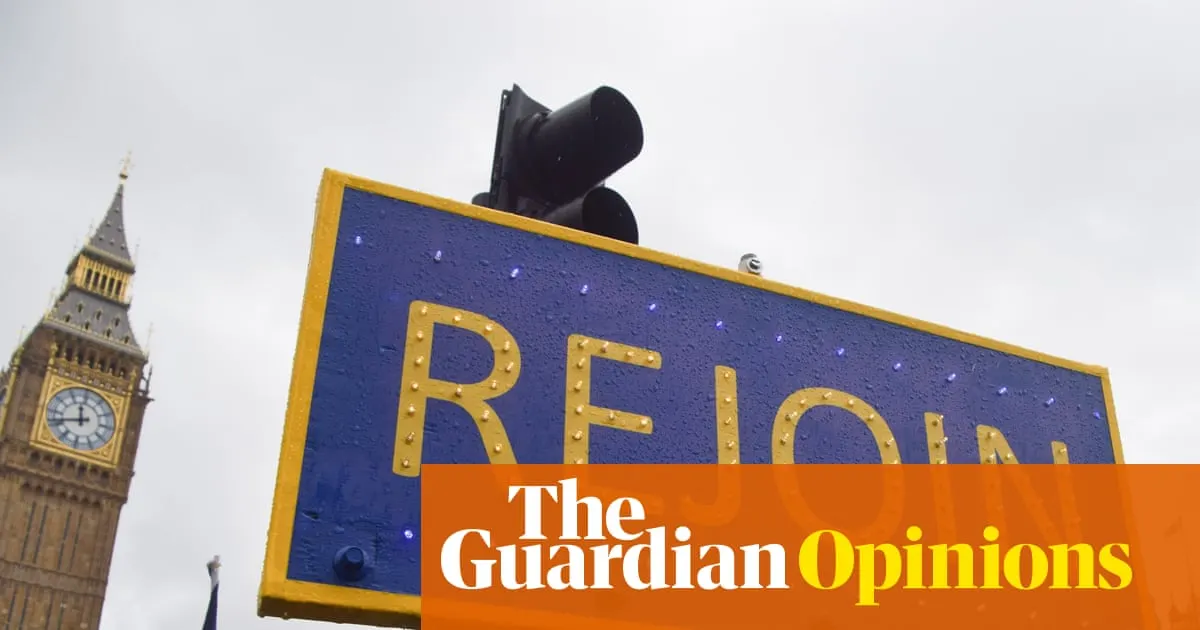
Andy Burnham has reopened debate about Britain’s future relationship with the EU, despite the political risks. The article argues that Brexit continues to harm the economy and that discussing alternatives is urgent, while stressing that Labour has promised to honour the referendum result during this parliament.
The article says nearly 60% of people now regard Brexit as a mistake, while an estimated economic cost is 6–8% of GDP. Support for rejoining falls from 55% to 35% if it means giving up the UK’s previous opt-outs, such as staying outside the euro and Schengen. Possible alternatives include closer economic ties, EFTA membership or a customs union, though public and EU support for particular arrangements remains uncertain.
In short
- Burnham has reopened debate on Britain’s relationship with the EU.
- Brexit’s estimated economic cost is 6–8% of GDP.
- Support for rejoining falls when giving up opt-outs is included.
Steelman: both sides, in good faith
The strongest fair case each way — we don't pick a winner.
The case for
If Brexit is causing substantial economic harm and most people now regard it as a mistake, politicians have a responsibility to discuss practical ways to reduce that damage. Exploring closer economic ties or other arrangements need not mean immediate rejoining; it could clarify which options would improve trade while respecting the UK’s circumstances and public preferences.
The case against
Labour has pledged to honour the referendum result during this parliament, so reopening the question risks undermining trust in that commitment and distracting from the government’s other priorities. Any closer arrangement would require public and EU support, and the sharp drop in support for rejoining when previous opt-outs are at stake suggests that the available options may not match what voters want.
Explained simply
The UK left the European Union in 2020, following the 2016 referendum. The referendum result led successive governments to change the country’s trade and immigration arrangements, while Labour has pledged to respect the result during this parliament.
Andy Burnham is the Labour mayor of Greater Manchester, and his comments have brought attention back to how closely the UK might work with the EU. Options discussed include closer trade links, a customs union or joining the European Free Trade Association, a group of countries with access to parts of the EU single market.
These choices could affect trade, rules and the movement of people, but each would involve different terms and trade-offs. Public views on Brexit and on specific alternatives vary, and any new arrangement would depend on negotiations with the EU.
Read the full article at the source →
Originally published by The Guardian as “Opening the EU debate again is clearly a political minefield. But we have to do it | Simon Jenkins”.