Human hair causes painful foot injuries in thousands of British pigeons
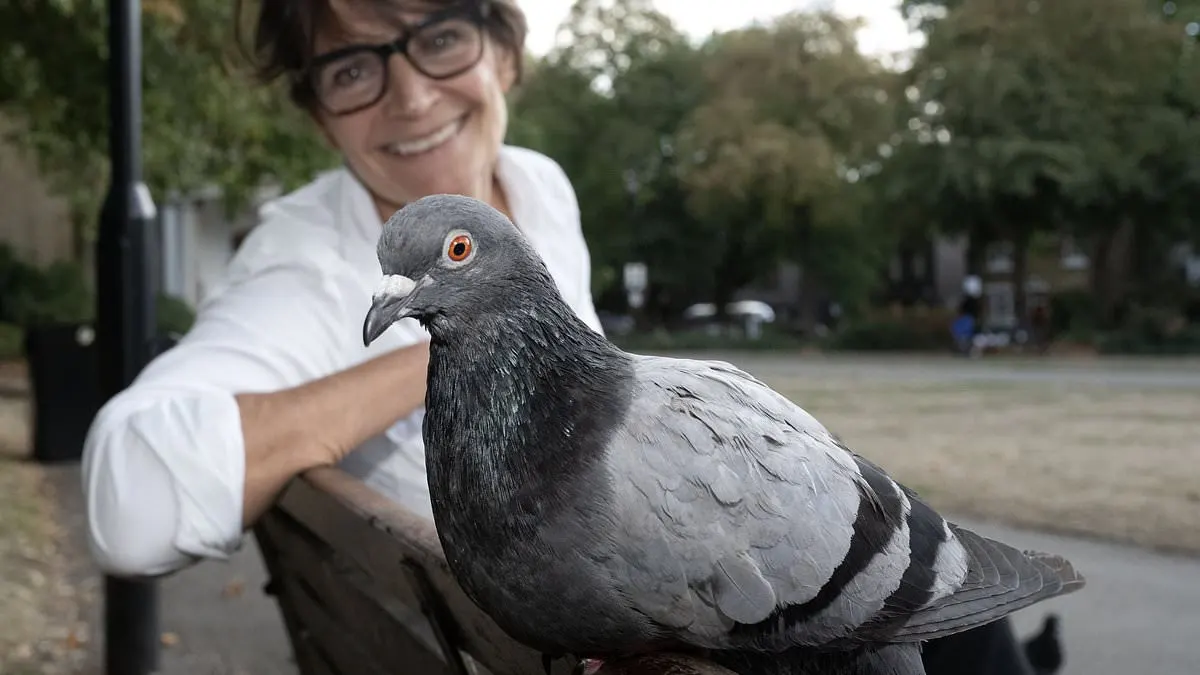
A London-based pigeon rescue charity has drawn attention to 'string foot', a painful condition affecting thousands of British pigeons. The condition is caused primarily by human hair wrapping around birds' feet, tightening like a tourniquet and cutting off circulation, causing severe deformity and infection. This widespread problem remains largely unknown to the public, yet organisations like London Pigeon Rescue treat affected birds using tweezers, scissors and antiseptic cream.
Jacob Peter and Jennie Brennan founded London Pigeon Rescue in 2022 after discovering the scale of the problem. Hair from hairbrushes, barbers' floors and individual shedding scatters across streets and tangles around pigeons' feet as they walk and feed on the ground. The pair faces significant obstacles, including widespread anti-pigeon sentiment rooted in misconceptions about disease transmission, whilst similar rescue groups operate in Glasgow and Manchester battling the same issue with limited resources.
- Pigeons across Britain suffer from 'string foot' caused by human hair wrapping around their legs.
- Rescuers treat the painful condition with tweezers and antiseptic cream.
- Anti-pigeon sentiment hinders efforts despite disease misconceptions.
New here? Start with this
String foot is a painful condition affecting pigeons across Britain, caused when human hair wraps around their feet like a tourniquet. Over time, the tightening hair cuts off circulation, causing severe deformity and infection that can cripple the birds. Thousands of British pigeons suffer from this condition.
Hair from various sources—hairbrushes, barbers' floors and regular human shedding—ends up scattered on streets where pigeons feed and walk. When birds move through this hair, it becomes entangled around their feet and gradually tightens. Rescue charities treat affected birds by using tweezers, scissors and antiseptic cream to remove the hair and prevent further infection.
London Pigeon Rescue was founded in 2022 by Jacob Peter and Jennie Brennan after they discovered the scale of the problem. Rescue groups also operate in Glasgow and Manchester, all working with limited resources to treat affected birds. These organisations face additional challenges because of public misconceptions about pigeons and disease.
Both sides, in good faith
The strongest fair case each way — we don't pick a winner.
The case for
These are sentient creatures experiencing genuine suffering directly caused by human activity—discarded hair wrapping around their feet and cutting off circulation. Our capacity to cause harm creates a moral responsibility to alleviate it where possible. The remedy is straightforward and inexpensive: proper hair disposal and basic wound treatment. When we can prevent suffering at minimal cost, there is a compelling ethical case to do so, and public education about responsible hair disposal addresses the problem at its source.
The case against
This perspective questions whether individual pigeon rescue represents the best allocation of limited animal welfare resources. Pigeons are significantly overpopulated in urban areas, creating genuine public health and sanitation challenges that resources might address more effectively elsewhere—such as endangered species or broader conservation efforts. Rather than treating symptoms through individual rescue, the solution lies in managing urban pigeon populations more holistically through habitat modification, contraception, or population culling, which would ultimately reduce both suffering and the cascading problems associated with overpopulation.
Read the full article at the source →
Originally published by Daily Mail as “Operation Pigeon Toe: To most of us they’re ‘flying vermin’. But to some, they’re helpless creatures in dire need of rescue from the vast amount of human hair on our streets that wraps around their legs and cripples them”.