Oracle Exadata Database@AWS offers advantages, but trade-offs remain
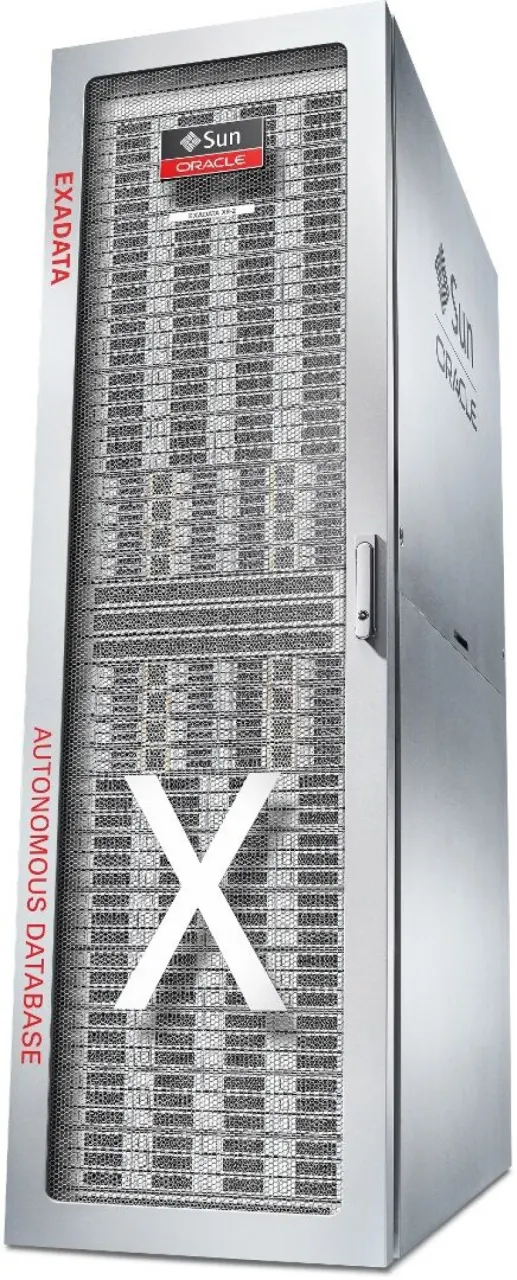
Oracle has made its Exadata Database Service generally available on Oracle Database@AWS, a year after the underlying AWS offering first launched. The move gives customers running Oracle's high-performance database hardware access to AWS's cloud infrastructure, but licensing experts have cautioned that switching brings meaningful cost and complexity trade-offs, alongside concerns about misleading sales tactics from Oracle around cloud migration choices.
Announced in 2024 and generally available since July 2025, Database@AWS lets Oracle hardware sit inside AWS data centres, connecting to services such as EC2 and AWS's AI/ML tools; AWS has also signed a new long-term collaboration agreement to support migrations. Nick Walter of House of Brick said licensing can be more favourable than RDS or EC2 (one processor licence per 8 ECPUs versus one per 2 vCPUs), but compute and storage costs are higher and less granular, though the new Exadata Exascale option improves flexibility for smaller Oracle database fleets. Craig Guarente of Palisade Compliance added that many organisations remain locked into legacy Exadata agreements, and warned that Oracle has spread "FUD" by suggesting it won't support customers on certain clouds.
- Oracle's Exadata database service is now live on AWS.
- Experts warn of higher, less flexible compute and storage costs.
- Advisers accuse Oracle of spreading FUD over cloud migration choices.
New here? Start with this
Oracle’s Exadata is a high-performance system for running Oracle databases, which many organisations use to store and manage important information. AWS provides cloud computing services, and the two companies have arranged for Oracle database systems to run in AWS data centres and connect with other AWS services.
The main players are Oracle, which makes the database software and Exadata systems, and Amazon Web Services (AWS), which runs the cloud infrastructure. Organisations choosing where to run Oracle databases may compare this option with other ways of using Oracle on AWS, weighing licence rules against the cost and flexibility of computing and storage.
The choice can matter because database licences and existing contracts may make moving systems complicated or costly. Licensing specialists have also raised concerns about how Oracle presents support for different cloud choices, so customers may need to check the terms and migration options carefully.
Both sides, in good faith
The strongest fair case each way — we don't pick a winner.
The case for
Oracle Exadata Database@AWS provides meaningful value for organisations with substantial Oracle infrastructure investments, offering genuinely better licensing terms than RDS or standard EC2 options and expanding flexibility through Exascale deployment choices. For enterprises pursuing hybrid cloud strategies, this represents a pragmatic solution that preserves existing expertise and infrastructure investments whilst enabling access to cloud services, giving customers a legitimate option that serves their actual needs.
The case against
Whilst licensing advantages exist, the offering carries substantial hidden trade-offs including higher compute and storage costs and reduced pricing granularity that may ultimately negate those benefits, and critics contend that Oracle has employed misleading marketing tactics rather than transparent information about alternatives. Coupled with lock-in from legacy agreements and alleged industry FUD about cloud support, these practices raise serious fairness concerns about whether customers receive genuine choice or are being manipulated toward a costlier option.