Technology news and discussion on TalkFuse.
Oracle nixes $7B chip leasing deal with China’s Tencent after Trump admin pushback: report
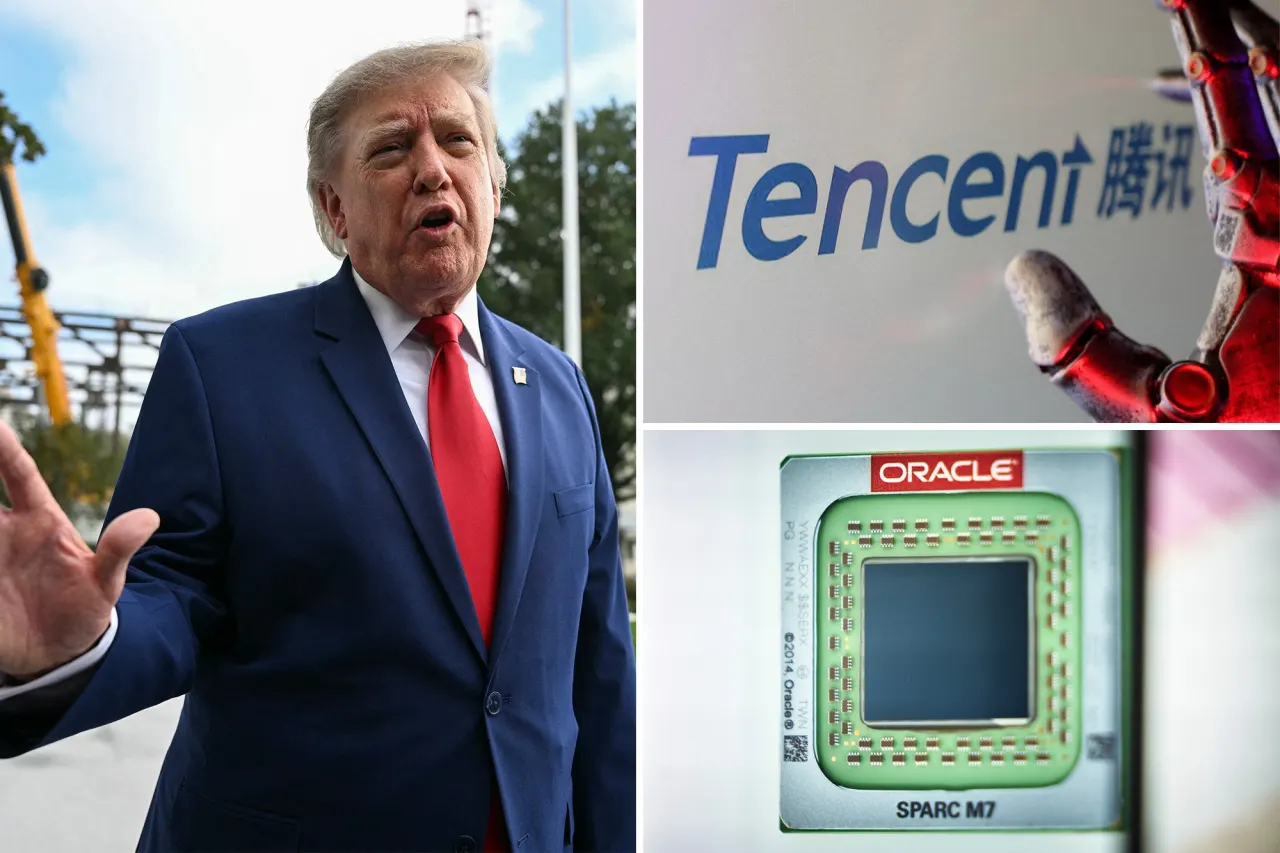
Oracle has reportedly cancelled a proposed $7 billion deal to lease AI chips to Tencent after officials in the Trump administration raised concerns. The arrangement mattered because it could have given the Chinese technology company access to advanced US chips despite export controls, amid competition between the US and China for AI leadership.
The five-year deal would have provided access to as many as 100,000 chips in data centres across Asia, according to a report citing two sources familiar with the matter. Chinese officials also reportedly urged Tencent to use domestic chips. Oracle, Tencent and the White House did not immediately comment; US rules restrict sales of the most advanced Nvidia AI chips to Chinese firms, prompting some to seek overseas leasing arrangements.
In short
- Oracle reportedly dropped its proposed $7 billion Tencent chip lease.
- The deal could have covered up to 100,000 AI chips over five years.
- US officials raised concerns amid export controls and US-China AI competition.
Steelman: both sides, in good faith
The strongest fair case each way — we don't pick a winner.
The case for
Supporters of the reported cancellation could argue that leasing advanced chips through overseas data centres risks weakening export controls in practice, giving a major Chinese technology company access to capabilities the US has restricted. They may see preventing that access as a legitimate national-security measure and a way to protect the effectiveness of US policy in a strategic competition over AI.
The case against
Critics could argue that cancelling a commercial deal under political pressure may extend export controls beyond their stated scope and make technology firms less able to plan across borders. They may also worry that restricting access could deepen US–China technological separation, spur China to accelerate domestic alternatives and forgo commercial opportunities, without clearly improving security.
AI Americas Asia Technology World