‘Our Loves’: Director Avi Nesher on His October 7 Film, Netanyahu and Boycotts Over Israeli Art
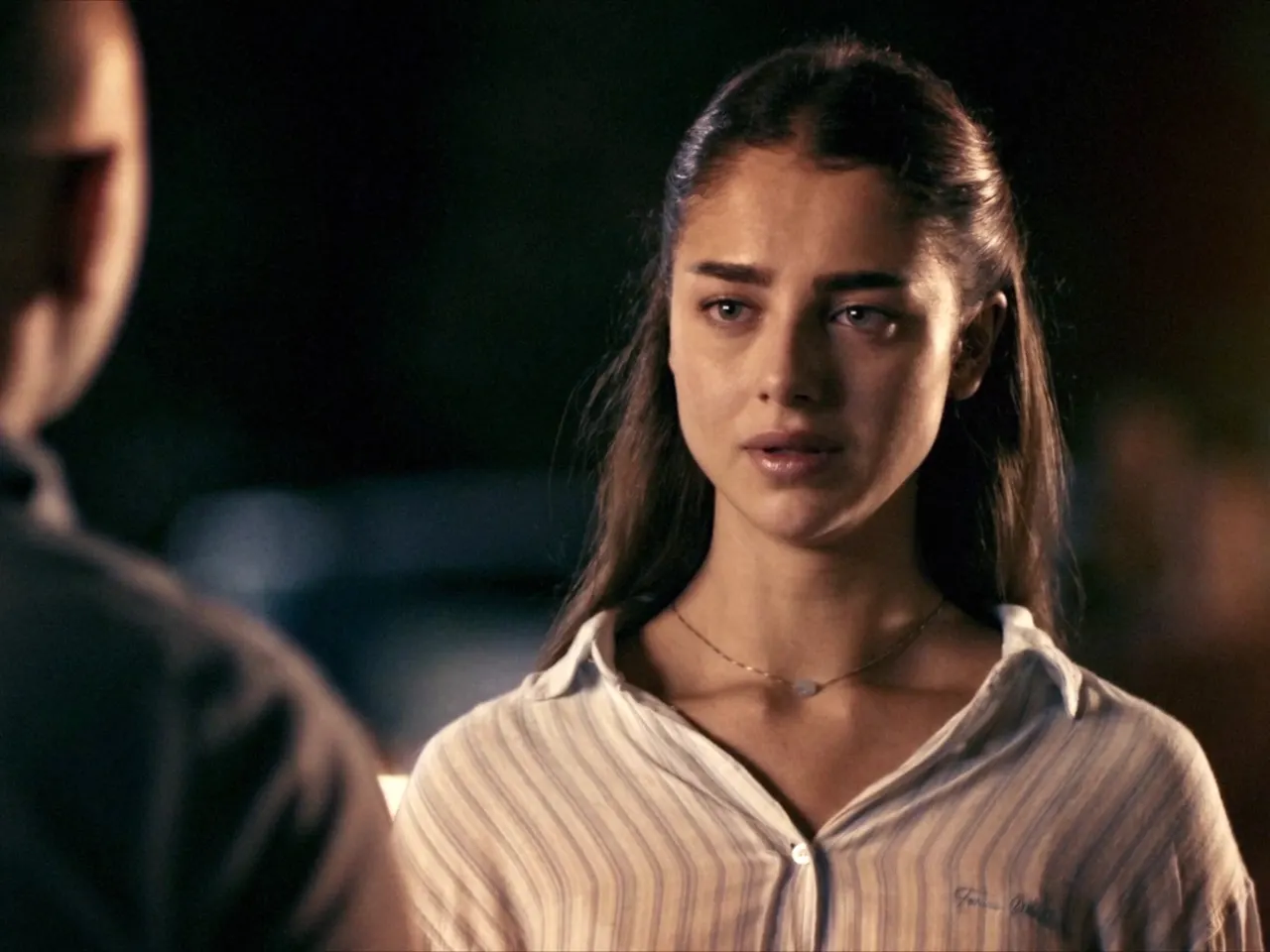
Israeli director Avi Nesher's new film "Our Loves" dramatises the October 7, 2023 Hamas-led attacks on southern Israel through the eyes of five ordinary Israelis in the days leading up to and during the violence. The film premieres in the Centrepiece section of the 2026 Toronto International Film Festival and arrives amid a wave of screen depictions of that day, joining documentaries and miniseries that have already tackled the subject, while also entering a fraught landscape of boycotts and debate over Israeli art abroad.
Nesher, a former IDF analyst who previously directed "Past Life", built the two-hour film from testimony gathered from real survivors, with the final hour-plus depicting the attacks, including the massacre at the Nova music festival. He insists the film is not about the political or military dimensions of October 7 but about the inner lives of those swept up in it. "Our Loves" has received 12 Ophir Award nominations, Israel's equivalent of the Oscars, including Best Film, and will open the Haifa International Film Festival. In a wide-ranging interview with Variety, Nesher also discussed the subsequent Gaza war, in which some 73,000 Palestinians have been killed, and Prime Minister Benjamin Netanyahu's culpability.
- Avi Nesher's "Our Loves" dramatises October 7 attacks, premieres at TIFF 2026
- Film follows five Israelis before and during the Hamas-led assault
- Nominated for 12 Ophir Awards; director discusses Netanyahu and boycotts
Both sides, in good faith
The strongest fair case each way — we don't pick a winner.
The case for
Supporters of boycotting Israeli productions such as festival screenings argue that cultural boycotts are a legitimate, non-violent form of political pressure, comparable to those once used against apartheid South Africa, intended to hold a state accountable while its military campaign in Gaza has killed tens of thousands of Palestinians. They contend that state-linked cultural showcases can function as a form of image-laundering for a government under serious international scrutiny, and that however personal or testimony-based a film's intent, platforming it at a major festival lends normalcy and prestige to that state at a moment of acute crisis. For them, declining to host such work is an act of conscience and solidarity, not an attack on any individual artist's humanity or right to grieve.
The case against
Those who oppose such boycotts argue that artists should not be held responsible for the policies of their government, particularly when a work like this is built from survivor testimony about civilians killed in a terrorist attack rather than any form of state propaganda. They warn that boycotting people rather than policies conflates ordinary citizens and artists with decision-makers, chills free expression, and denies audiences exposure to diverse Israeli voices, including ones that openly question Netanyahu's own culpability. They see festivals as spaces for cultural exchange and empathy precisely in wartime, and regard blanket exclusion based on nationality as a blunt instrument that punishes creative workers for a conflict they did not choose or direct.