World news and discussion on TalkFuse.
Our readers’ questions about the war, answered. Vol. 12
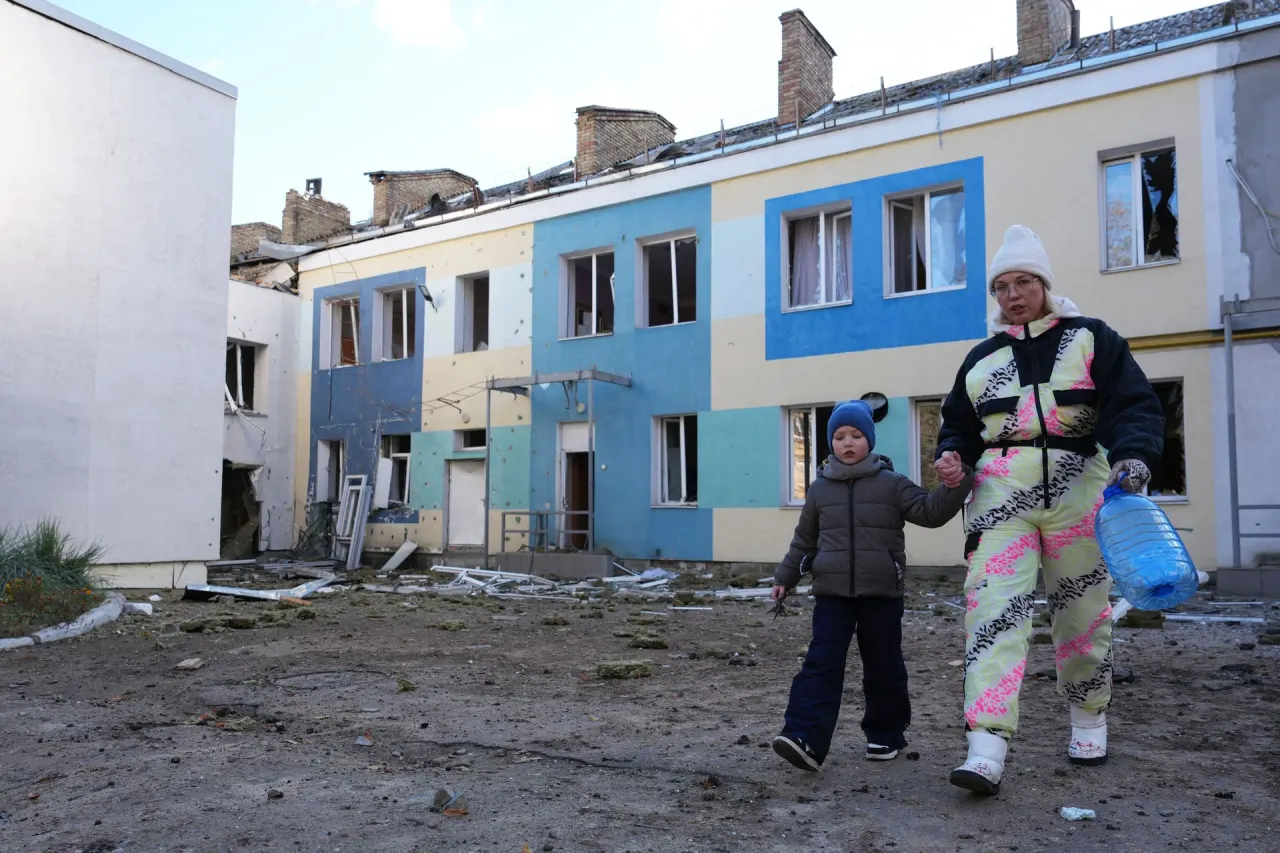
The article answers readers’ questions about Russia’s war on Ukraine, covering energy exports, battlefield tactics and the changing drone contest. Its responses argue that the diesel deal is a political gain for Vladimir Putin because it helps normalise relations with Russia, even if the export volume is not a major economic boost.
On the battlefield, the article says Operation Vivaldi points to a drone-led style of combat, with small teams advancing slowly after efforts to suppress Russian drones and logistics. It says Ukraine retains advantages in several drone areas and that electronic warfare remains effective against many Russian weapons, while warning that manpower constraints and Russia’s expanding drone forces make large manoeuvres increasingly difficult.
In short
- Diesel exports offer Putin a political win, the article argues.
- Ukraine’s battlefield tactics are increasingly shaped by drones.
- Manpower limits and Russia’s drone growth hinder large offensives.
Explained simply
Russia’s war against Ukraine began with Russia’s full-scale invasion in February 2022, following years of conflict after Russia annexed Crimea in 2014. The fighting has involved attacks on energy supplies and infrastructure as well as battles on the ground, and both countries use drones to watch, target and strike forces.
Vladimir Putin leads Russia, while Ukraine’s government and armed forces are defending the country. Energy trade can have political significance as well as economic value, because deals may affect how Russia is treated internationally. On the battlefield, drones and electronic warfare—which disrupt or protect communications and guidance systems—are changing how troops move and fight.
Ukraine faces limits on available troops, while Russia has been expanding its drone forces. These pressures matter because they can make large advances harder and shape how each side tries to hold or take territory.