Culture news and discussion on TalkFuse.
Out of Sight review – mountain idyll on the Swiss border is a gilded cage for distressed asylum seekers
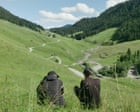
A new documentary, Out of Sight, directed by Lisa Polster, exposes conditions inside a remote asylum detention facility on the Bürglkopf mountain in the Austrian Tyrol, a site otherwise known as a scenic tourist destination. The film gives voice to young male asylum seekers held at the centre, which residents describe as a prison rather than a shelter, highlighting the stark contrast between the area's idyllic Alpine surroundings and the restrictive, often distressing conditions endured by those detained there.
Through talking-head interviews, conducted despite resistance from the facility itself, the documentary details poor living conditions, a lack of legal support, and the social isolation caused by the camp's remote location. Detainees describe prolonged legal limbo resulting from slow processing of asylum applications, compounding their psychological distress, while strict curfews and minimal recreational activities make time in the camp feel endless. Polster's gentle visual style frames the men, often demonised in far-right media, as small figures against the vast landscape, underscoring the loss of time and future prospects the detention entails. Out of Sight is released on True Story from 24 July.
In short
- Documentary reveals harsh conditions at an Austrian Alpine asylum detention centre
- Detainees describe prison-like conditions, isolation and prolonged legal limbo
- Out of Sight streams on True Story from 24 July
Steelman: both sides, in good faith
The strongest fair case each way — we don't pick a winner.
The case for
Asylum seekers are inherently vulnerable populations fleeing persecution, and their detention in remote, restrictive conditions with inadequate legal support violates both humanitarian principles and international human rights standards. Prolonged legal limbo, isolation, and psychological distress inflict unnecessary harm on those already traumatised, whilst harsh conditions contradict the principle that detention should be used sparingly and only when genuinely necessary.
The case against
Governments have legitimate responsibilities to manage immigration and verify asylum claims through proper procedures, which often require some form of controlled detention for administrative and security purposes. Whilst conditions should meet legal standards, restrictions in detention facilities are necessary and unavoidable; remote locations may serve practical purposes, and a single documentary may present an incomplete picture without addressing the operational context or why such measures exist.
Explained simply
A new documentary called Out of Sight has filmed inside a remote asylum detention centre on a mountain in the Austrian Tyrol. The facility is located in a scenic Alpine area, but houses young male asylum seekers awaiting decisions on their cases. The film features interviews with those detained there, conducted despite resistance from the facility.
Director Lisa Polster documented the detainees discussing their experiences of living conditions, legal processes, and the psychological impact of being isolated in a remote location. Those held there describe slow processing of their asylum applications, combined with strict curfews and little to do, making their time in detention feel endless.
The documentary reveals how asylum seekers are detained in Europe and what conditions they face whilst waiting for their cases to be decided. By giving voice to those held at the centre, the film presents their perspectives on an aspect of the asylum system that is usually hidden from public view.