Culture news and discussion on TalkFuse.
Outcry after art gallery was caught disposing of paintings donated by local artists in most insulting way imaginable
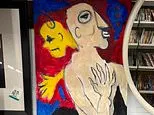
The Penticton Art Gallery in British Columbia, Canada, has faced public criticism after donated artworks by local and notable artists were found being sold for as little as $9.99 at a branch of second-hand chain Value Village. Artists whose donated pieces turned up in the store, such as Norberto Rodriguez de la Vega, said the low prices were disrespectful and did not even cover the cost of materials. The gallery's board president said the pieces had been found without documentation and stored in a way that did not meet museum standards, prompting the decision to dispose of them.
Among the discarded works were pieces by recognised Canadian artists including Helen May Duke, Sophie Atkinson and William Alexander, the latter known as an early influence on Bob Ross. A former curator, Paul Crawford, who discovered the sale after being contacted by shoppers, said his objection was not to the disposal itself but to how it was handled; he is separately pursuing a wrongful dismissal claim against the gallery. The gallery said tax receipts issued for some donations meant returning the art to donors could constitute tax fraud, and it later stated that for every piece discarded it had retained at least one other for future fundraising, adding that a cyberattack had delayed its public response.
In short
- Penticton Art Gallery sold donated artworks cheaply at Value Village thrift store.
- Artists and a former curator called the handling disrespectful and poorly communicated.
- Gallery cited storage and documentation issues, plus tax-receipt legal constraints.
Steelman: both sides, in good faith
The strongest fair case each way — we don't pick a winner.
The case for
The gallery fundamentally breached its duty to artists and donors who contributed work in good faith. Proper institutional practice required transparent communication with donors, offering first refusal, and ensuring any disposal was dignified and consistent with the artists' original intent. Instead, the gallery chose secretive bulk sale to a discount chain at minimal prices—treating established Canadian artists with contempt and validating concerns that it knew such actions would be indefensible if conducted openly.
The case against
The gallery faced a genuine crisis: undocumented donations stored in conditions that failed to meet museum standards created both preservation and legal problems. Tax law complications around donated property meant returning items could constitute fraud, whilst proper sales required documentation the pieces lacked. Given institutional capacity constraints, some form of disposal became necessary. The gallery's retention of comparable pieces for fundraising and the technical delays to its response suggest a good-faith attempt at responsible stewardship within genuinely intractable circumstances.
Explained simply
The Penticton Art Gallery is a public gallery in British Columbia, Canada, that has received artworks donated by local people and established artists. Some donated pieces later appeared for sale at a second-hand shop, prompting questions about how galleries should care for, record and manage donated art.
The artists include Norberto Rodriguez de la Vega, Helen May Duke, Sophie Atkinson and William Alexander, whose work influenced painter Bob Ross. The gallery’s board says some pieces lacked documentation and were stored below museum standards; it also says tax receipts issued for certain donations affected whether works could be returned.
The case matters because donations can carry expectations about how an institution will handle art, while galleries must also make decisions about storage, records and fundraising. Former curator Paul Crawford has criticised the handling of the disposal, though he says he did not object to disposing of the works themselves.
Art Culture Entertainment Music World