Pakistan has locked down Imran Khan’s stronghold – but it could backfire
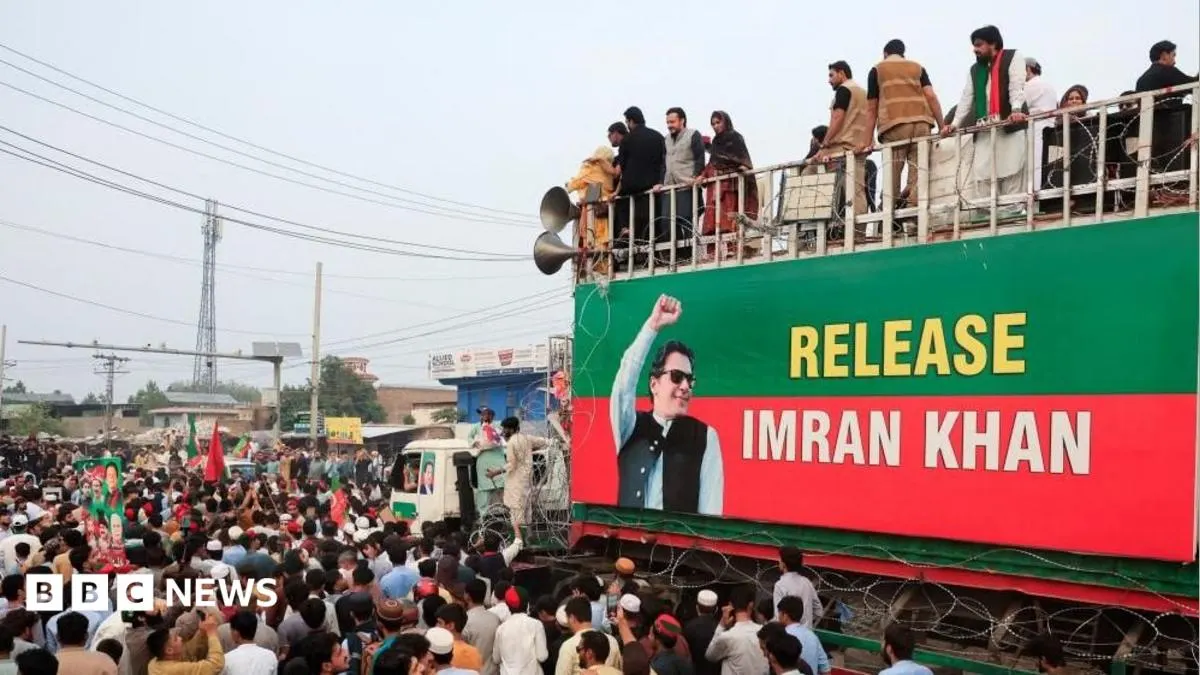
Pakistan imposed emergency rule in Khyber Pakhtunkhwa, suspended Imran Khan’s party-led provincial government and deployed security measures as protests demanding Khan’s release continued. The federal government says the move is needed to protect residents from terrorism, but critics question the stated link and warn that the crackdown could deepen political tensions.
Thousands of supporters had marched through the province, where Khan’s PTI party has governed for 13 years. Schools briefly closed, internet access was partly shut and roads were blocked; services were later restored, while protests and reports of tear gas continued. Khan has been imprisoned since August 2023, and concern about his health has added to pressure within the party.
- Emergency rule was imposed in Khan’s party stronghold.
- Protests had called for his release.
- Critics fear the crackdown could fuel instability.
New here? Start with this
Khyber Pakhtunkhwa is a province in north-west Pakistan, bordering Afghanistan. Imran Khan’s Pakistan Tehreek-e-Insaf (PTI) party has governed it for many years, making it an important centre of support for the former prime minister.
Khan has been in prison since August 2023, and his supporters have called for his release. The provincial government is led by PTI, while Pakistan’s federal government is run separately from the capital, Islamabad.
The dispute matters because federal intervention in a province can heighten tensions between levels of government and between political groups. Security concerns also carry particular weight in a region affected by militancy, making the stated reasons for emergency measures part of the wider debate.
Both sides, in good faith
The strongest fair case each way — we don't pick a winner.
The case for
The federal government can argue that emergency rule and temporary security restrictions are necessary to protect residents when large protests coincide with terrorism risks and disruption to schools, roads and communications. If provincial authorities cannot maintain public safety, a time-limited intervention may be justified to prevent violence and keep essential services running.
The case against
Critics can argue that suspending an elected provincial government and restricting communications amid protests over a jailed opposition leader risk using security powers to weaken political opposition. If the terrorism threat is not clearly connected to the demonstrations, the measures may undermine democratic legitimacy, intensify public anger and make unrest harder to contain.