World news and discussion on TalkFuse.
Palestinian ambulances become ‘direct targets’ in the West Bank
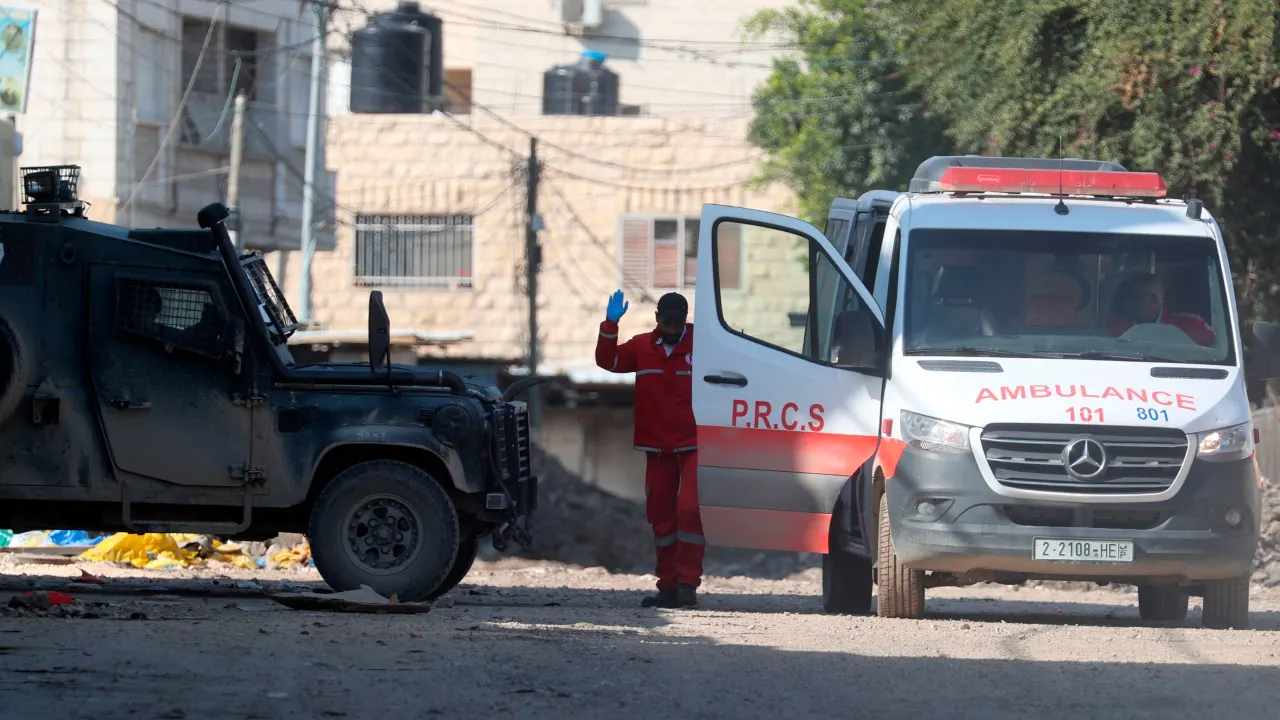
A report by the Israeli NGO Doctors for Human Rights–Israel says attacks and obstructions facing Palestinian ambulance crews in the West Bank have increased sharply. It concludes that Israeli forces and armed settlers are making clearly marked ambulances and paramedics “direct targets”, raising risks for medical workers and patients.
The report draws on 25 healthcare workers’ testimonies from the Nablus area. World Health Organization figures record 233 attacks on healthcare in the West Bank in 2025, including 165 involving medical transport; violence and mobility obstructions rose from 93 incidents in 2022 to 422 in 2024. Crews describe checkpoint delays, threats and dangerous barriers, with one paramedic reporting that a woman lost her unborn child while an ambulance was held at a checkpoint.
In short
- Palestinian ambulance crews report sharply increased attacks and delays.
- The report draws on 25 healthcare workers’ testimonies.
- Checkpoint obstructions can put patients’ lives at risk.
Steelman: both sides, in good faith
The strongest fair case each way — we don't pick a winner.
The case for
The report’s findings and testimony support the view that Palestinian medical crews face a serious and worsening threat, and that attacks or checkpoint delays can endanger patients as well as staff. Those who hold this view argue that clearly marked ambulances and paramedics must be protected, and that restrictions should not prevent urgent care.
The case against
A careful assessment should distinguish documented incidents and individual testimony from the broader conclusion that Israeli forces and settlers are deliberately making ambulances direct targets. Israeli authorities may argue that checkpoints and security measures respond to threats and are intended to protect civilians, while incidents require investigation to establish responsibility, intent and context. That case still has to account for the reported scale of disruption and its consequences for patients.
Explained simply
The West Bank is a territory occupied by Israel since 1967, where Palestinians live under Israeli military control and Israeli settlements have been established. Nablus, in the north, is a major Palestinian city surrounded by towns and villages.
Palestinian ambulance crews carry patients through an area with checkpoints, road closures and other movement restrictions. Israeli forces operate in the West Bank, while armed Israeli settlers also live in settlements there; their roles and actions are distinct.
The safety and access of ambulance teams affect whether patients can reach urgent care and whether medical workers can do their jobs. International rules require parties to protect medical staff and transport during conflict.