World news and discussion on TalkFuse.
Palworld Reaches Full 1.0 Launch After Record Early Access Run and Pokémon Trademark Disputes
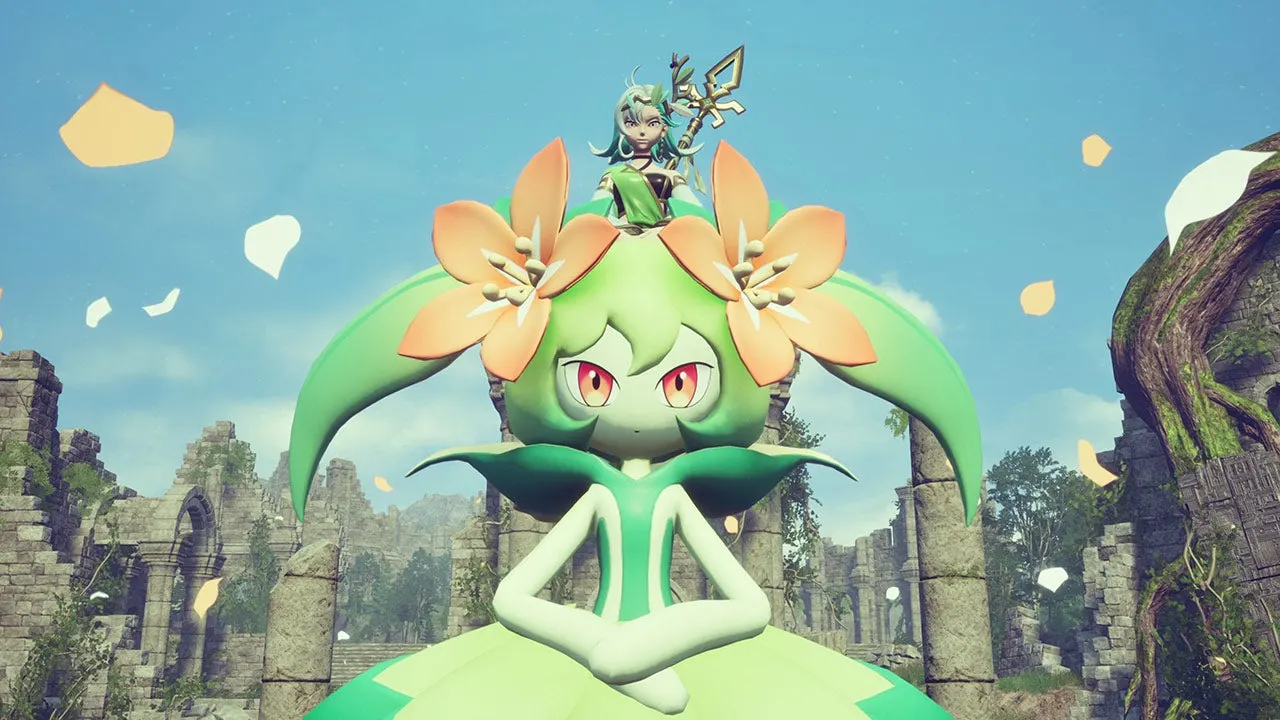
Pocketpair's creature-collecting survival game Palworld has officially exited early access with its 1.0 release, marking a milestone for a title that captured massive player attention since its surprise debut in 2024. The launch concludes a commercially successful period that saw millions of players engage with the game despite ongoing legal challenges from Nintendo regarding intellectual property concerns.
The game has drawn widespread attention for its core gameplay loop—collecting and deploying fantastical creatures—whilst introducing mechanics that sparked controversy, including putting these creatures to work in weapons manufacturing and factory settings. Industry reviewers have noted that the full release represents a refinement of the early access experience, with developers addressing player feedback through iterative improvements leading up to today's official debut.
- Sources
- 2
- Outlets
- 2
- Left · Centre · Right
- 0 · 0 · 0
- Votes
- 1
In short
- Palworld exits early access and launches version 1.0 after two years of commercial success
- Creature-collecting survival game faces ongoing Pokémon trademark disputes but maintains strong player base
- 1.0 release brings refined gameplay and player-requested improvements to controversial mechanics
How this story developed
- 4 months ago Pocketpair's creature-collecting survival game Palworld has officially exited early access with its 1.0 release, marking a milestone for a title that captured massive player attention since its surprise debut in 2024.
Steelman: both sides, in good faith
The strongest fair case each way — we don't pick a winner.
The case for
Palworld demonstrates legitimate creative space within the creature-collection genre, with distinct gameplay mechanics—survival elements, base-building, and resource management—that represent genuine innovation rather than mere imitation. The unprecedented commercial success with millions of players suggests they value these new systems, and the creature-labour mechanics, though provocative, are creative design choices that differentiate the game's identity and appeal. Competition within established genres drives industry innovation, and many franchises evolve through games sharing core concepts; visual similarity alone need not preclude legitimate game development.
The case against
Nintendo's intellectual property protection reflects legitimate concerns about brand integrity and creative ownership of an established franchise. The visual similarity between Palworld's creatures and Pokémon designs is substantial enough to raise genuine questions about whether the game crosses from genre participation into derivative imitation, and the portrayal of creatures in labour and weapons manufacturing stands in sharp contrast to the values Nintendo has cultivated around creature welfare and friendship. Protecting established creators' intellectual work matters fundamentally for the creative industry's health and incentive structures.
Explained simply
Palworld is a video game released by the Japanese studio Pocketpair, first launched in early 2024 in an unfinished "early access" state that let players try it while it was still being developed. It became hugely popular very quickly, drawing comparisons to Nintendo's Pokémon franchise because it also revolves around catching and battling creatures, though Palworld adds survival and base-building elements, including using the creatures for labour and combat.
That similarity led Nintendo, which owns Pokémon, to pursue legal action against Pocketpair over intellectual property concerns, adding a layer of controversy to the game's success. The dispute has run alongside Palworld's continued development, with Pocketpair regularly updating the game based on player feedback during its early access period.
The "1.0 launch" refers to the game formally leaving this early access phase and being considered complete, which matters because it marks the end of a highly watched test case for how a smaller studio can build a massive audience with a game that echoes an established giant like Pokémon, while navigating the legal risks that come with it.