Paramount Argues States’ Antitrust Suit Will ‘Collapse Under Scrutiny’
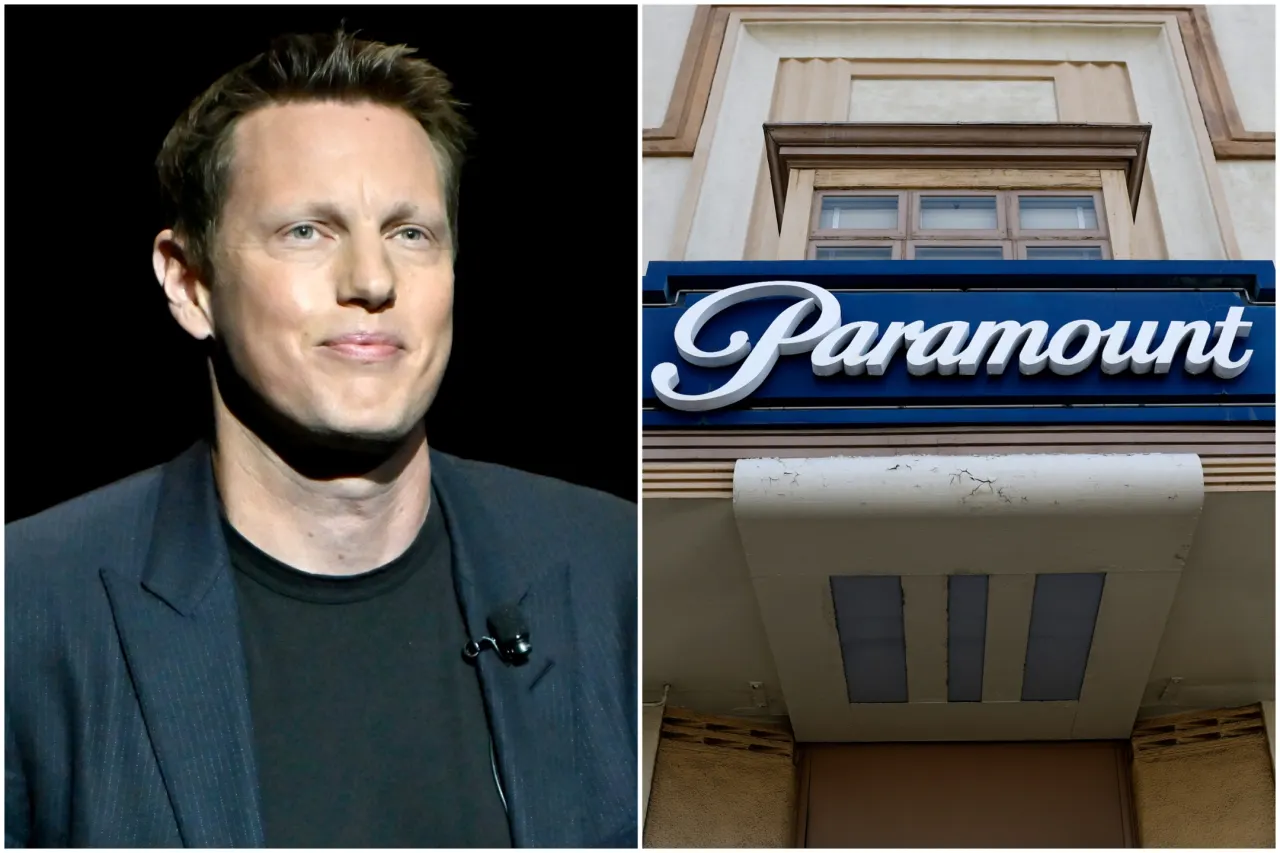
Paramount filed a formal legal response on Friday to the antitrust lawsuit brought by a coalition of 12 states seeking to block its merger with Warner Bros. Discovery, setting out defences it intends to argue at trial in March 2027. The filing matters because it signals Paramount's confidence that the case will unravel under legal scrutiny, and comes as the theatre-owners' trade body Cinema United has separately called for a settlement, while the US Department of Justice has already approved the deal.
Paramount's lawyers argued the states lack authority to regulate the merger, which they say rests with the DOJ, and pledged to challenge the states' definitions of the relevant markets, calling them "gerrymandered" and based on outdated data that ignores the shift towards streaming. The Writers Guild of America has filed a related suit and will be heard alongside the states' case at the March 2027 trial; Paramount has agreed not to close the deal before a ruling but is seeking a $1.88 billion bond from the plaintiffs, with a hearing on that request set for 24 September, while a separate settlement conference is scheduled for late October.
In short
- Paramount formally rebuts states' antitrust suit over Warner Bros. Discovery merger
- Trial set for March 2027; Paramount wants a $1.88bn bond from plaintiffs
- Theatre trade group urges settlement; DOJ already approved the deal
Steelman: both sides, in good faith
The strongest fair case each way — we don't pick a winner.
The case for
Advocates of the states' lawsuit argue that a merger combining two of the largest film, television and streaming libraries in America deserves rigorous scrutiny beyond a single federal approval, since state attorneys general have historically played a valid complementary role in antitrust enforcement, particularly where local markets such as regional advertising, theatrical distribution or labour bargaining could be affected differently than national ones. They contend that the shift towards streaming does not eliminate concerns about concentrated control over content licensing, pricing power over cable and satellite carriers, or job losses among writers and other creative workers, and that the states' market definitions reflect a careful, evidence-based attempt to capture these effects rather than an attempt to overreach. On this view, allowing the case to proceed to trial simply ensures the merger is tested against the law rather than nodding it through on the strength of the companies' own confidence.
The case against
Paramount and its supporters argue that federal antitrust law assigns primary responsibility for reviewing mergers of this kind to the Department of Justice, which has already conducted its own review and approved the deal, and that allowing a patchwork of individual states to impose separate, potentially conflicting conditions risks undermining a coherent national framework for merger regulation. They maintain that the states' market definitions fail to reflect how audiences and advertisers now behave, given the rapid growth of streaming and the resulting competition from platforms outside the traditional television and film industry, so applying older frameworks unfairly disadvantages a deal that is, in substance, adapting to a changed marketplace. Settling the matter through litigation, in their view, would vindicate the principle that companies should be able to rely on federal approval rather than face open-ended challenges on duplicative or outdated grounds, while support from bodies such as Cinema United for a negotiated settlement suggests industry confidence that the merger's practical effects are manageable.
Explained simply
Paramount is trying to complete a merger with Warner Bros. Discovery, combining two major players in film, television and streaming. A group of 12 US states has sued to block the deal on antitrust grounds, arguing it could harm competition, even though the US Department of Justice, the main federal antitrust regulator, has already approved it. Paramount has now filed its formal response, arguing the case has no merit.
The dispute involves several parties beyond Paramount and the states. Cinema United, which represents cinema owners, has urged the two sides to settle rather than fight it out in court. The Writers Guild of America, the union representing television and film writers, has filed a separate but related legal challenge, and its case will be heard alongside the states' lawsuit. Both are scheduled for a trial in March 2027.
This matters because the outcome will determine whether one of the industry's largest media mergers can proceed, and it raises broader questions about who has the authority to police such deals: federal regulators or individual states. In the meantime, Paramount has agreed not to finalise the merger until the case is resolved, while financial and procedural matters, including a bond dispute and a possible settlement conference, are being worked out ahead of the trial.
Business Companies Research Science