Culture news and discussion on TalkFuse.
Paramount “Fully Expects” WBD Merger To Close As It Reports Q2 Streaming Gains, Linear Challenges
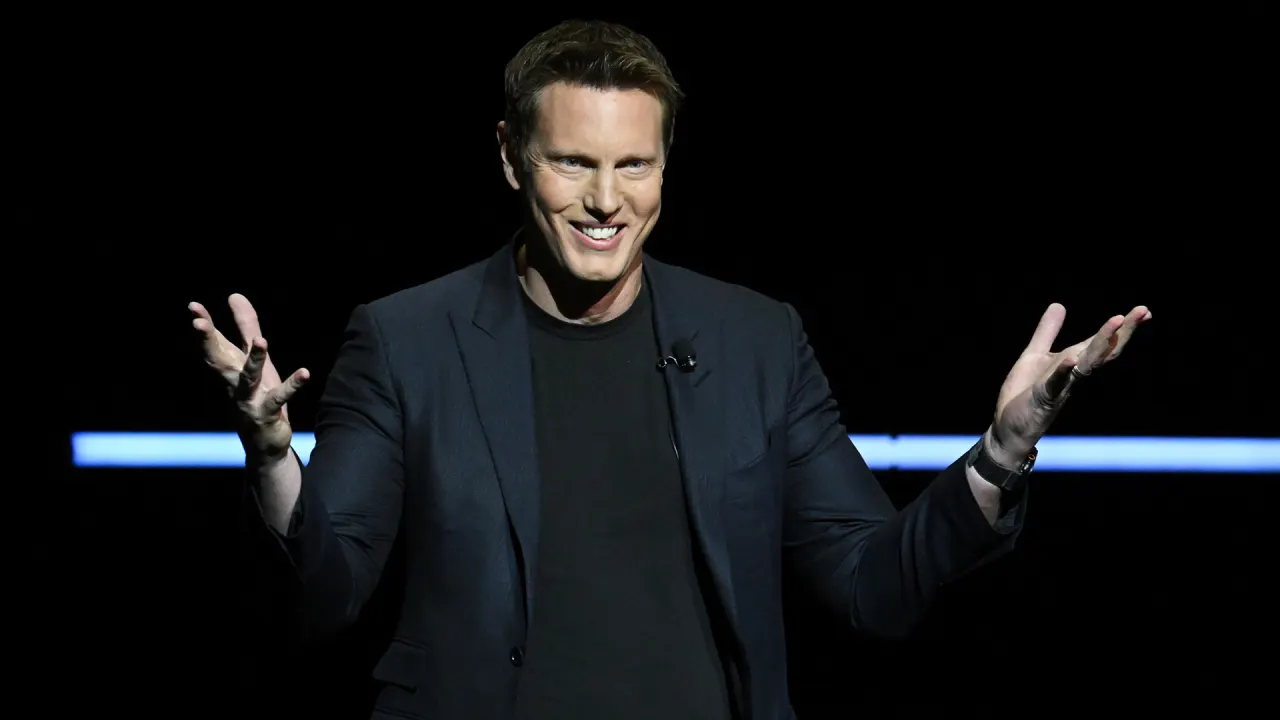
Paramount reported mixed second-quarter results, roughly a year after Skydance's takeover of the company, with strong streaming growth offset by ongoing declines in linear television and tough comparisons in theatrical revenue. The results landed just as a judge set a March trial date for the antitrust case brought by state attorneys-general against Paramount's proposed merger with Warner Bros. Discovery, putting the deal on hold and shifting investor attention towards how the company performs on its own in the meantime.
Paramount+ added around two million subscribers to reach 81.6 million worldwide, its best-ever quarter for retention, driven by shows including "Dutton Ranch", UFC and the FIFA World Cup. Direct-to-consumer revenue rose 9% to $2.5 billion (£2bn) with profit up 44% to $366 million, while total group revenue held flat at about $6.9 billion and net profit slipped to $41 million from $57 million. TV Media revenue fell 9% amid continued pay-TV subscriber losses, but the Studios division swung to a $36 million profit, helped by the "Scary Movie" revival, even as Paramount reaffirmed it "fully expects" the WBD merger to close and faces a rising quarterly fee if it doesn't.
In short
- Paramount+ streaming grew strongly; linear TV revenue kept declining.
- Judge set March 2027 antitrust trial date for the WBD merger.
- Paramount says it still expects the Warner Bros. Discovery deal to close.
Steelman: both sides, in good faith
The strongest fair case each way — we don't pick a winner.
The case for
The merger addresses genuine commercial necessity in an increasingly consolidated media landscape where scale matters enormously for content investment, technological development, and negotiating power with distributors. Paramount's strong streaming growth demonstrates operational discipline, and combining with Warner Bros. Discovery would create a global competitor better positioned to invest in quality programming and compete with tech giants and Netflix on consumer value. Consolidation in entertainment is not inherently harmful if the merged entity offers better services, diverse content, and competitive pricing.
The case against
State attorneys-general pursue this case because competition in media serves legitimate public interest—fewer, larger companies typically reduce consumer choice, risk higher prices, and narrow the diversity of voices and stories available to audiences. When two major media conglomerates merge, the cumulative market power raises defensible questions about whether the combined entity would compete vigorously on quality and pricing or whether industry consolidation would simply concentrate power among a shrinking number of corporations. Regulatory scrutiny reflects sound public policy: competition itself tends to produce better consumer outcomes than relying on large merged entities to self-regulate in consumers' interests.
Explained simply
Paramount is a US entertainment company whose businesses include the Paramount+ streaming service, film and television studios, and traditional TV channels. Streaming services charge viewers directly for online programmes, while traditional channels have relied more on cable and satellite subscriptions and advertising.
Warner Bros. Discovery (WBD) is another large entertainment company, with film and television studios and services including HBO Max. Paramount has proposed combining the two companies; the deal is being challenged in court by several US state attorneys-general, who argue that it could harm competition. A merger of this scale can affect the choices available to viewers and the companies’ position in the entertainment market.
Paramount’s results matter as it continues to operate while the proposed deal faces legal proceedings. Its streaming growth and studio earnings sit alongside pressure on traditional television, where audiences are leaving pay-TV services.
Art Business Companies Culture Entertainment TV