Culture news and discussion on TalkFuse.
Paramount Making Deals To Theaters For 30 Films A Year Post WBD Acquisition; Cinema United Still Anti-Merger
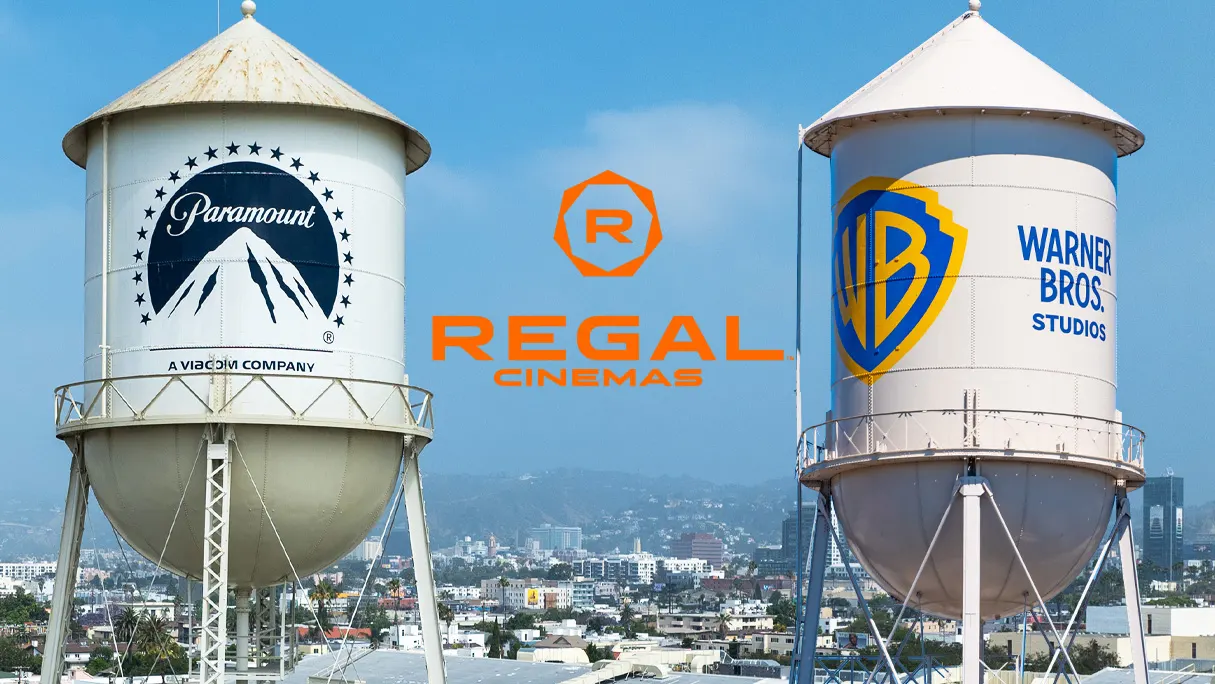
Paramount has reportedly given Regal a written commitment to release 30 films a year for three years, with a 45-day exclusive theatrical window and a 90-day gap before streaming, as part of its efforts to counter an antitrust lawsuit brought by 12 state attorneys general over its planned merger with Warner Bros Discovery. AMC declined to confirm whether it has received a similar commitment, though its chief executive Adam Aron has publicly backed the merger, as has Regal's boss Eduardo Acuna. The move appears designed to split exhibitors' opposition and bolster Paramount's public case ahead of a trial scheduled for March 2027.
Despite these overtures, the wider exhibition body Cinema United remains opposed to the merger, fearing reduced output, box office decline and job losses, and has been seeking further talks with Paramount chief executive David Ellison. Paramount currently has 16 films slated for 2027 and seven for 2028, against Warner Bros' 19 and 15 respectively; a merged studio would have offered 35 titles in 2027. Critics point to the 2019 Disney-Fox merger as a cautionary precedent, noting combined wide releases fell 46% and box office takings dropped 44% between 2016 and 2025, and argue market pressures could ultimately undercut any written promises regardless of Ellison's stated commitments.
In short
- Paramount reportedly commits Regal to 30 films yearly amid merger fight
- AMC declines to confirm similar deal; Cinema United remains opposed
- Critics cite Disney-Fox merger fallout as a warning sign
Steelman: both sides, in good faith
The strongest fair case each way — we don't pick a winner.
The case for
The merger represents a rational consolidation in a challenging media landscape, backed by concrete commitments: Paramount has contractually pledged 30 annual releases for three years with specific theatrical window requirements, and theatre leaders at Regal and AMC have endorsed the deal, suggesting these protections are meaningful for their business survival. Paramount and Warner Bros bring complementary portfolios and resources that could enhance output efficiency, and market pressures and competition remain even post-merger, giving studios strong incentives to maintain theatrical output.
The case against
Whilst contractual commitments appear binding, history demonstrates they prove insufficient safeguards. The Disney-Fox precedent is instructive: that merger resulted in a 46% reduction in wide releases and a 44% box office decline between 2016 and 2025, despite initial assurances. Beyond the three-year commitment, market pressures—streaming cannibalization, theatrical costs, and competition erosion from reduced industry output—will likely override contractual promises. Cinema United's concerns reflect genuine risks: consolidated output threatens the theatrical ecosystem's viability, jeopardises employment, and reduces competitive incentives that currently ensure quality and investment in theatrical experiences.
Explained simply
Paramount and Warner Bros Discovery are major film studios that make and distribute films to cinemas and streaming services. A merger would bring their film operations under one owner, changing how many films they release and how long cinemas have them exclusively.
Cinema United represents cinema operators and has raised concerns that a combined studio could release fewer films, reducing ticket sales and putting jobs at risk. Chains such as Regal and AMC run cinemas and depend on a steady supply of films to attract audiences.
The dispute involves competition rules, which are intended to prevent deals that could harm consumers or businesses. The proposed merger has drawn scrutiny from US state officials, while comparisons with Disney’s purchase of Fox have prompted debate about whether written release commitments can protect cinemas over time.
Art Business Companies Culture Entertainment Film