Business news and discussion on TalkFuse.
Paramount-Warner merger clears antitrust hurdle amid mixed Hollywood response
Developed over time first seen 2 months ago
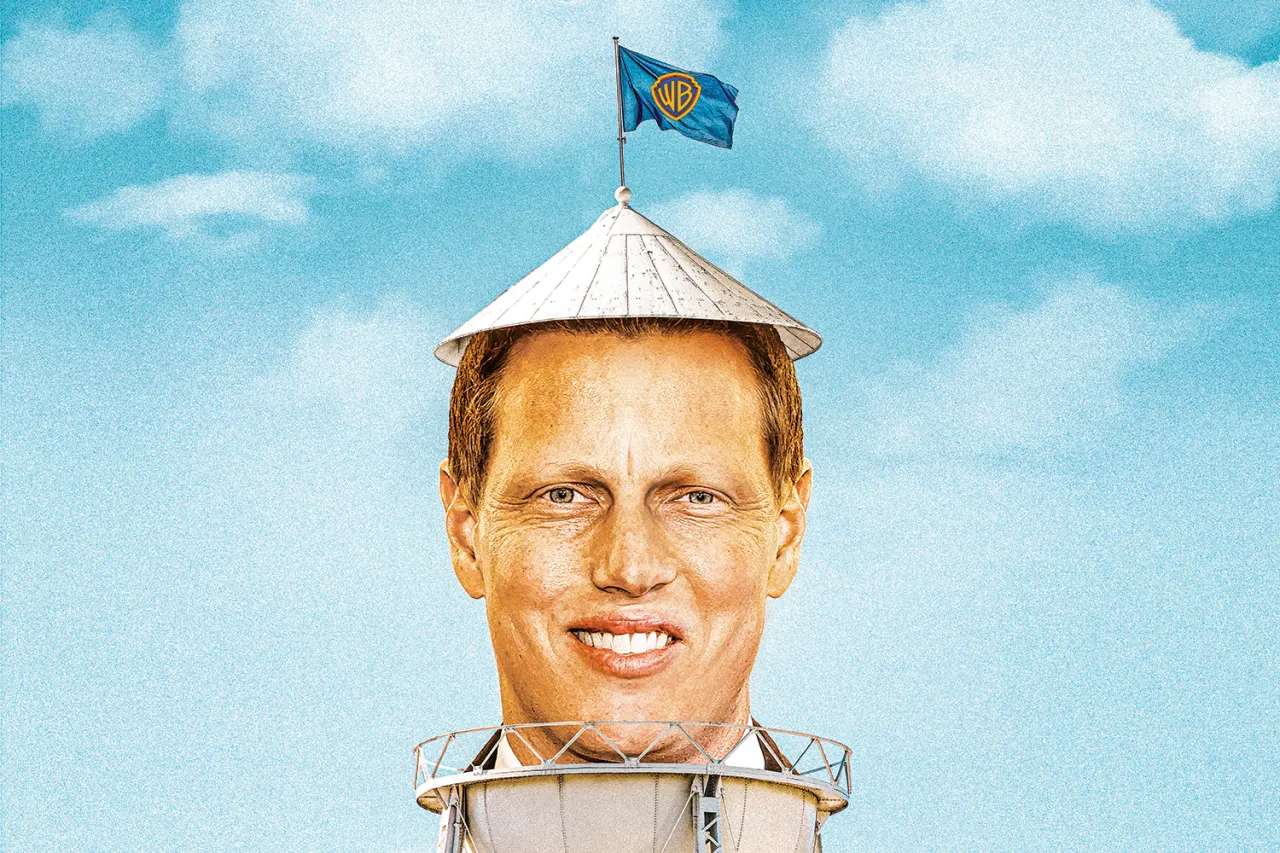
Paramount Skydance and Warner Bros. Discovery have cleared a significant regulatory hurdle after David Ellison reached a settlement with state attorneys general who sought to block the merger on antitrust grounds. After nearly a year of litigation that stalled development and spending across both companies, the agreement removes a major obstacle to the combination, though opponents including celebrities and labor advocates maintained concerns about industry consolidation and its effect on competition and jobs.
The Writers Guild of America, unable to afford continuing litigation alone, secured a settlement with Paramount including a five-year ban on writer layoffs at CBS News Broadcast, a $17.5 million payment to its health fund, and coverage of legal costs. The Directors Guild of America welcomed the attorneys general's enforceable commitments protecting theatrical film, television markets, and domestic employment. The Screen Actors Guild likewise indicated the settlement addressed concerns about production levels and U.S. investment, though all groups stressed they remained wary of consolidation's longer-term effects on industry diversity and workplace standards.
- Sources
- 2
- Outlets
- 2
- Left · Centre · Right
- 0 · 0 · 0
In short
- Paramount-Warner Bros. merger settles antitrust challenge; major regulatory barrier removed
- WGA secured $17.5m fund payment and layoff protections in separate deal
- Labour guilds relieved despite lingering concerns about industry consolidation effects
How this story developed
- 2 months ago The Writers Guild of America has revealed that its separate settlement was necessary because independent litigation had become financially unsustainable, while Screen Actors Guild has insisted studios must go beyond minimum legal obligations to protect workers and creative practice.
- 2 months ago Actor Mark Ruffalo has emerged as a prominent opponent of the deal, but the entertainment industry's labour unions have largely celebrated the settlement as restoring normal operations after the prolonged regulatory dispute had frozen development and spending across both companies.
- 2 months ago Paramount Skydance and Warner Bros. Discovery have cleared the final regulatory barrier to their merger after David Ellison negotiated a settlement with state attorneys general who had mounted antitrust litigation for nearly a year, though critics including celebrities and labour advocates remain concerned about industry consolidation.
Full account
Following nearly twelve months of negotiations, Silicon Valley venture capitalist David Ellison has secured regulatory approval for his proposed merger between Paramount Global and Warner Bros. Discovery. On Monday, Ellison announced that he had reached a settlement with a coalition of state attorneys general who had sought to block the transaction on antitrust grounds. The deal faced substantial opposition from consumer advocacy groups and prominent entertainment figures including actor Mark Ruffalo, though the resolution has been welcomed by Hollywood labour unions after the regulatory uncertainty created a standstill in production investment and development spending across both studios.
The settlement has elicited markedly different responses from the entertainment industry's labour representatives. The Writers Guild of America, whilst maintaining its fundamental opposition to the merger's implications for industry consolidation, acknowledged that it could not afford to pursue independent litigation without government backing. The union settled its separate lawsuit in exchange for Paramount's commitment to prevent writer redundancies at CBS News for five years and a $17.5 million contribution to its healthcare fund. By contrast, the Directors Guild of America expressed satisfaction with the regulatory safeguards negotiated by the attorneys general, particularly those protecting theatrical and television production markets and preserving domestic employment.
Central to the settlement is a requirement that the merged entity commit to producing more than thirty theatrical releases annually, with mandated quotas for both independent productions and major studio films. Should these targets go unmet, the agreement imposes a striking enforcement mechanism: the forced divestiture of Miramax, the studio subsidiary in which Paramount holds a forty-nine per cent ownership stake. Under the settlement's terms, this divestiture would be triggered if production shortfalls persist beyond an initial six-month remedial period, with completion required within twelve months thereafter. Crucially, Paramount is prohibited from reacquiring any stake in Miramax during the commitment period.
The provisions surrounding Miramax's potential divestiture reflect both the settlement's emphasis on maintaining competitive markets and the intricacies of enforcing structural remedies across a sprawling media conglomerate. Miramax's current portfolio includes commercially successful titles—including the globally popular Netflix series The Gentleman and the box office hit Scary Movie—yet the studio's output operates through multiple independent distribution channels and financing arrangements that frequently bypass Paramount entirely. This structural complexity means that whilst the divestiture provision functions as a theoretically powerful enforcement tool, its application reflects an entertainment industry landscape where the traditional boundaries between studios and distributors have increasingly dissolved.
Where outlets differ
From the full account, which is AI-written from the sources:
Source 1 emphasises political drama, labour guild reactions, and broader industry consolidation concerns; Source 2 focuses on specific numerical requirements and detailed divestiture mechanics
Source 1 highlights the regulatory uncertainty and its paralysing effect on industry spending; Source 2 emphasises forward-looking enforcement mechanisms and Miramax's current commercial performance
Source 1 frames the settlement as significant for worker protections and philosophical industry questions; Source 2 provides granular deal structure details and examples of Miramax's existing distribution arrangements outside Paramount
Steelman: both sides, in good faith
The strongest fair case each way — we don't pick a winner.
The case for
The merger's clearance restores essential certainty to an industry paralysed by protracted uncertainty, allowing renewed investment and production that directly benefits workers across guilds and crew levels. The settlement includes enforceable commitments from attorneys general protecting competitive markets and domestic employment, whilst concrete gains—including the Writers Guild's five-year layoff ban and funding injections—demonstrate that the merged entity can negotiate responsibly with organised labour. With production frozen during the dispute, the practical resumption of creative work and job stability outweighs theoretical consolidation concerns that remain subject to ongoing regulatory oversight.
The case against
Media consolidation structurally reduces the number of buyers competing for creative talent, inevitably diminishing bargaining power for writers, directors and actors to negotiate better terms and conditions, regardless of individual settlement concessions. The enforceable commitments represent only minimal guardrails against the fundamental harm of fewer competitors shaping what stories get told and who gets to tell them, whilst historical precedent shows media mergers consistently result in job losses despite initial assurances. The Writers Guild's inability to sustain its legal challenge due to financial constraints is itself revealing evidence of power imbalance—when creators lack resources to contest consolidation, the settlement reflects capitulation rather than genuine protection of competition and creative choice.
Explained simply
Paramount and Warner Bros. Discovery are two of America's largest entertainment corporations, producing and distributing films, television programmes and streaming content to audiences worldwide. The proposed merger between such major competitors raises questions about media consolidation and whether reducing the number of large independent media companies affects consumer choice and fair competition.
Media consolidation concerns arise when competing companies combine because fewer separate corporations could mean less diversity in the stories told, less bargaining power for workers, and higher costs or fewer options for consumers. These concerns affect not just audiences but also the thousands of writers, directors, actors and other professionals who depend on multiple competing companies for employment opportunities.
Government regulators and industry groups examine such mergers to weigh potential benefits against claimed harms, seeking to balance business interests with concerns about competition, jobs and creative freedom. The outcome of major media mergers often affects broader questions about market concentration and power in industries that shape popular culture.
Coverage · 2 sources
Business Companies Research Science
Read the full article at the source →
Originally published by Variety as “Paramount-Warner Bros. Settlement: What the Guilds, AGs and Activists Are Saying”.