World news and discussion on TalkFuse.
Paramount Warns CA AG Bonta & WGA Of WBD Merger Fallout & “Financial Consequences If Their Challenge Ultimately Fails”
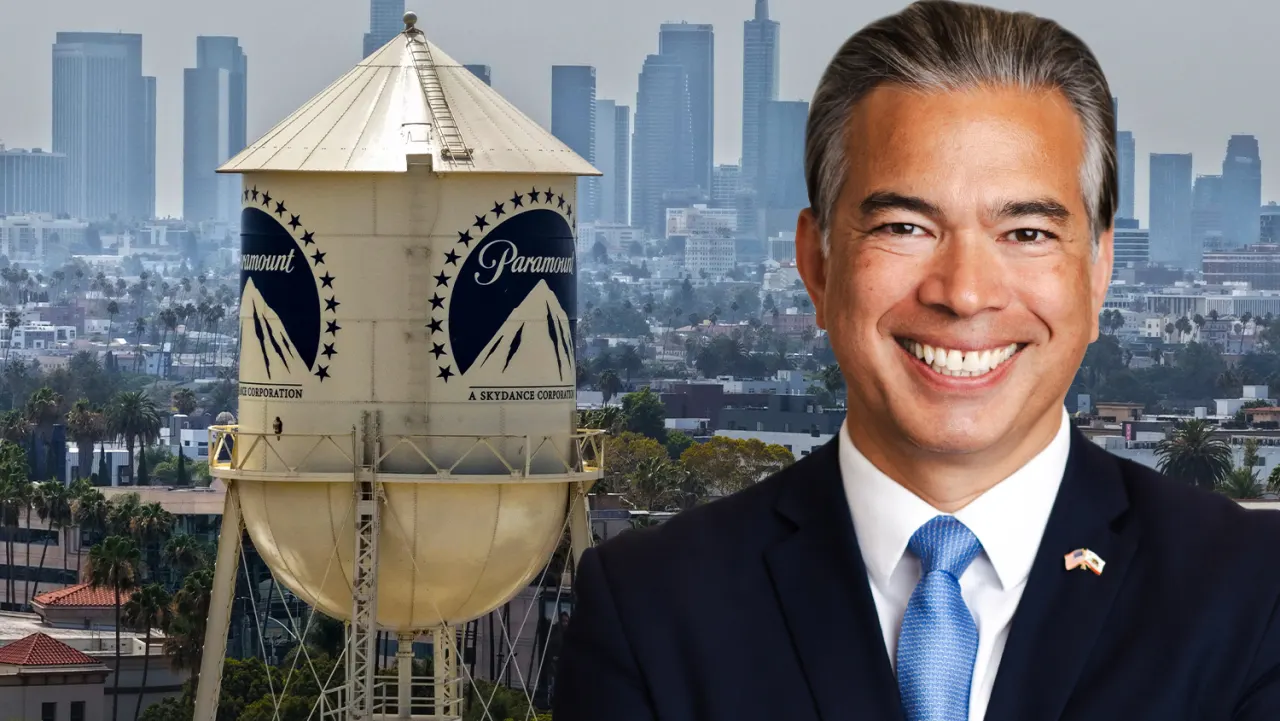
Paramount Skydance has escalated its legal pressure on California Attorney General Rob Bonta, the Writers Guild of America and 11 other states, warning of severe "financial consequences" if their antitrust challenge to its $111 billion merger with Warner Bros Discovery ultimately fails. In a tense court filing, Paramount is again pushing for the states and union to post a bond of nearly $2 billion, arguing that a $7-million-a-day "ticking fee" owed to WBD shareholders will soon start accruing while the deal remains blocked, and that the states have not disputed the scale of the potential harm.
The filing states Paramount could suffer $1.88 billion in damages from the injunction, combining the ticking fee with rising financing costs, and notes the states have not contested this figure or denied that the deal would otherwise close by 30 September 2026. Paramount points to more than 60 other jurisdictions that have approved the merger and cites the halted Nexstar/Tegna merger as a cautionary parallel. Bonta, seeking structural remedies and re-election, has so far rejected Paramount's offers as insufficient, with no settlement talks currently under way ahead of a trial scheduled for March.
In short
- Paramount demands $2bn bond from states challenging its WBD merger
- Company cites $1.88bn potential damages from stalled $111bn deal
- No settlement talks yet; trial set for March 2027
Steelman: both sides, in good faith
The strongest fair case each way — we don't pick a winner.
The case for
Paramount can argue that blocking a merger carries substantial, measurable costs: it says the injunction could cause $1.88 billion in losses through shareholder fees and higher financing costs, and that a bond would help ensure those costs are covered if the challenge fails. It may also point to approvals in many other jurisdictions as evidence that the deal merits serious consideration, while arguing that any competition concerns should be weighed against the harm of delaying it.
The case against
The states and the Writers Guild can argue that preventing a merger is justified when they believe it risks lasting harm to competition, workers or consumers, and that a bond of nearly $2 billion could make it prohibitively risky for public authorities to enforce antitrust law. Costs arising from the deal’s financing and contractual terms do not by themselves establish that the challenge is unfounded; approvals elsewhere also do not settle whether the merger would harm competition in the United States.
Explained simply
Paramount Skydance is a US entertainment company that has agreed to buy Warner Bros Discovery, another major media group whose businesses include a film studio, television channels and streaming services. The proposed merger would bring the two companies under common ownership.
California Attorney General Rob Bonta and the Writers Guild of America are among those challenging the deal, alongside other US states. They argue that competition rules may require changes to the merger; antitrust law is intended to prevent deals that could reduce competition.
The dispute matters because a merger of this scale could affect the media market, including the companies’ rivals, workers and audiences. Courts must weigh the challengers’ case against the companies’ argument that the deal should be allowed to proceed.
Americas Art Business Celebrity Companies Culture Entertainment Geopolitics Markets Politics Research Science World