Technology news and discussion on TalkFuse.
Paris Hilton pushes for law against deepfakes: ‘I want to help build a world that’s safe’
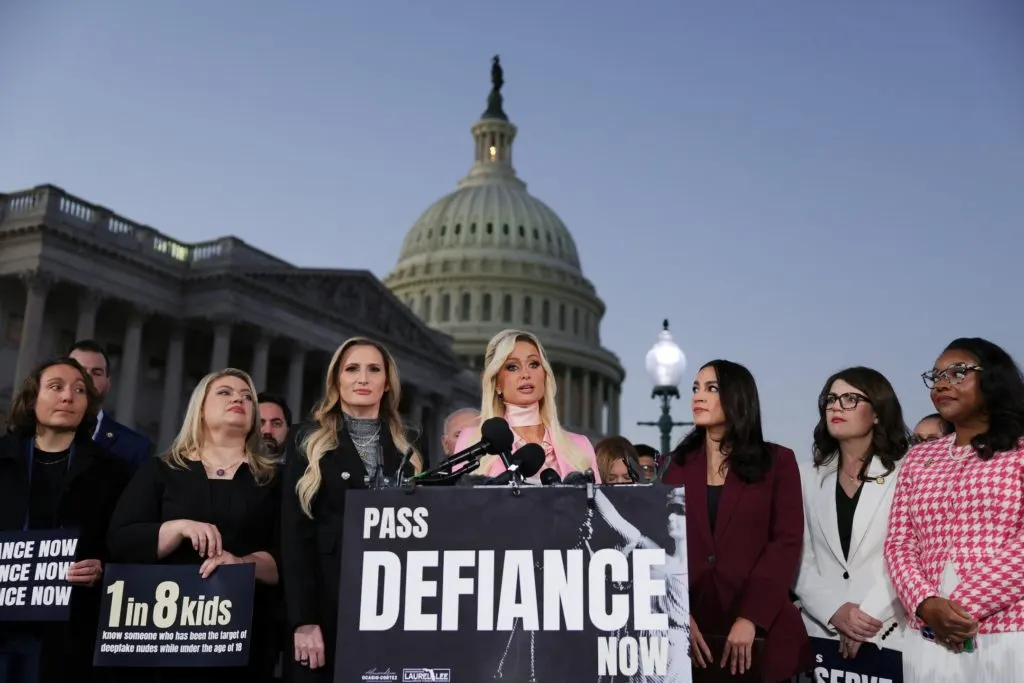
Paris Hilton urged US lawmakers to pass the bipartisan DEFIANCE Act, which would let people sue those who create sexually explicit deepfakes of them without consent. The campaign highlights growing concerns about AI-enabled exploitation and the limits of current protections; supporters say the bill could give victims a route to justice and discourage perpetrators.
The bill passed the Senate and is awaiting action in the House, with only a few weeks left in the congressional calendar, according to the report. It would allow victims to seek up to $150,000 in damages, and Hilton said more than 50 million women and children worldwide are affected by explicit deepfakes. The measure has 70 co-sponsors and is backed by Democratic Representative Alexandria Ocasio-Cortez and Republican Representative Laurel Lee.
In short
- Paris Hilton is urging the House to pass the DEFIANCE Act.
- The bill would let victims sue deepfake creators for up to $150,000.
- Supporters say it could deter non-consensual sexual imagery.
Steelman: both sides, in good faith
The strongest fair case each way — we don't pick a winner.
The case for
The DEFIANCE Act could give people targeted by non-consensual sexual deepfakes a practical way to seek redress when existing protections fall short. Supporters argue that civil damages would recognise the harm, deter people who create or spread the images, and affirm that someone’s likeness cannot be used sexually without consent.
The case against
A thoughtful case for caution is that a new federal cause of action could raise difficult questions about the scope of liability, proof, and how to distinguish deliberate abuse from other conduct involving synthetic images. Critics may also worry that litigation is costly and that broad or unclear rules could chill lawful expression, so they would favour careful safeguards and evidence that the bill adds effective remedies to existing law.
Explained simply
A deepfake is an image or video altered with artificial intelligence to make it look as though someone did or said something they never did. Sexually explicit deepfakes can be made and shared without the person’s consent, exposing them to humiliation and harm.
The DEFIANCE Act is a proposed US law that would let people sue those who create sexually explicit deepfakes of them. Its supporters say a legal route to damages could help victims seek justice and deter people from making such material.
The proposal has support from lawmakers in both major US parties, including Alexandria Ocasio-Cortez and Laurel Lee. The debate matters because lawmakers are weighing how existing protections should respond to AI-enabled abuse.