Park homes plans thrown out due to flood risk
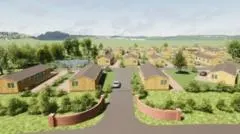
Councillors in Doncaster have rejected plans for 31 park homes and a social hub near Thorne because much of the proposed site is considered highly vulnerable to flooding. The decision matters because the council concluded that the developer had not provided sufficient evidence to challenge the Environment Agency’s flood-risk assessment.
WPS Developments argued that the flood maps were inaccurate and that the land was unlikely to flood, but councillors were unconvinced. Around half the site is in flood zone three, where the probability of flooding is higher, and most of the proposed single-storey lodges would have been built there; permission to change the field from agricultural to residential use was refused by majority vote.
- Doncaster councillors rejected 31 park homes over flood risk.
- Most proposed lodges were planned in flood zone three.
- Developers’ challenge to flood maps was not accepted.
New here? Start with this
Park homes are prefabricated homes set on a site where residents usually own or rent their home and pay for the pitch it occupies. The plans near Thorne also included a social hub, but the land is currently a field used for agriculture.
In England, the Environment Agency assesses flood risk and maps areas by how likely they are to flood. Flood zone three has a higher probability of flooding, so building homes there can raise questions about residents’ safety and the evidence needed to manage that risk.
WPS Developments said the flood maps did not accurately reflect the site and argued that flooding was unlikely. Doncaster councillors had to weigh that claim against the agency’s assessment and decide whether the proposed change of land use was supported by enough evidence.
Both sides, in good faith
The strongest fair case each way — we don't pick a winner.
The case for
The developer's position is that flood risk designations can be overly broad and inaccurate, and that with proper technical assessment and mitigation measures, the land could safely accommodate homes. Park homes represent valuable affordable housing, and councils should demand rigorous site-specific evidence of actual flood risk rather than reflexively rejecting development based on general flood zone maps. Modern construction standards and drainage solutions can address many flooding concerns, and the applicant should have had a fair opportunity to present evidence challenging the Environment Agency's assessment.
The case against
Councillors were right to prioritise resident safety over speculative development. The site lies substantially in flood zone three, where flooding is statistically probable, and the developer failed to provide compelling evidence to overcome this established risk. When new residential homes are at stake, the precautionary principle should prevail, especially as climate change intensifies flood events. Residents deserve homes in locations where they will not face recurring flooding, anxiety, and potential danger to life and property.