Business news and discussion on TalkFuse.
‘Pasta windows’: a charming Italian restaurant tradition – or the sign of a terrible tourist trap?
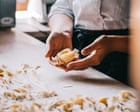
The Guardian's Pass Notes column examines "pasta windows" – the increasingly common sight, especially in Rome and Florence, of someone (often an older woman) making fresh pasta by hand in a restaurant's street-facing window. While the display might appear to be an authentic slice of Italian culinary heritage, several Italians in the food industry warn it is actually a red flag for tourist-trap restaurants rather than genuine tradition.
The piece cites Rome food-tour guide Sophie Minchilli, who told the Washington Post the trend is "wrong", and Neapolitan chef Michele Pascarella, who told Metro that a proper Italian restaurant would never display pasta-making in its window, calling such places "kitschy" rather than authentic. The article, written in a playful Q&A style, likens the practice to putting someone on display "zoo-like" and lists other tourist-trap warning signs, including staff aggressively touting laminated, photo-heavy menus, and large restaurants packed with tourists but few locals. It suggests instead venturing away from main streets or beaches and asking locals for genuine recommendations.
In short
- "Pasta windows" showing pasta-making are viral but seen as inauthentic by Italians
- Experts say the display signals a tourist trap, not tradition
- Better strategy: ask locals, avoid main-street restaurants with laminated menus
Steelman: both sides, in good faith
The strongest fair case each way — we don't pick a winner.
The case for
Displaying pasta-making in windows demonstrates genuine craftsmanship and freshness, with roots in how Italian artisans have traditionally attracted customers by showcasing their skill and quality. Dismissing all such establishments as inauthentic risks conflating marketing transparency with inauthenticity; many quality-focused restaurants might reasonably use window displays to highlight made-to-order pasta and attract discerning diners seeking authentic ingredients and preparation.
The case against
Experienced Italian food professionals consistently identify this as a modern tourist-targeting practice rather than a reflection of how genuine Italian restaurants operate, with the theatrical window display serving marketing purposes rather than culinary ones. The prevalence of this technique specifically in heavily touristed areas suggests it functions primarily to lure visitors rather than to build the reputation through quality and word-of-mouth that characterises truly authentic establishments.
Explained simply
"Pasta windows" refer to street-facing windows at restaurants where customers can watch someone, typically an older woman, preparing fresh pasta by hand. This sight has become increasingly common in major Italian cities such as Rome and Florence.
The question at the heart of this story is whether pasta windows represent an authentic expression of Italian culinary tradition or serve as a warning sign for tourist-trap restaurants. Food industry figures, including Rome-based food tour guide Sophie Minchilli and Neapolitan chef Michele Pascarella, argue the practice is actually a red flag—calling it inauthentic or "kitschy" rather than a genuine part of Italian restaurant culture.
The distinction matters because spotting such windows can help visitors identify which restaurants are genuinely serving traditional Italian cuisine and which are primarily designed to attract tourists with spectacle rather than substance. Other warning signs cited include aggressive staff promotion of menus with photographs, large dining rooms filled mostly with tourists, and locations on main streets or beaches rather than in residential neighbourhoods.
Business Culture Food Markets Travel