Barnaby Joyce rejects drug legalisation link to tobacco tax cuts
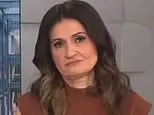
One Nation MP Barnaby Joyce rejected the suggestion that his party's push for cheaper cigarettes to combat illegal tobacco sales implies support for legalising cocaine and marijuana. Speaking to ABC's Patricia Karvelas, Joyce argued smoking cigarettes is far less dangerous than driving under the influence of drugs, defending the policy as a practical response to Australia's booming black market in tobacco rather than a broader push for drug liberalisation. The exchange comes as Australia's political parties clash over how best to tackle illegal cigarette sales.
Both One Nation and the Coalition have proposed steep cuts to the tobacco excise, with Opposition Leader Angus Taylor calling for an 80 per cent reduction and One Nation proposing 75 per cent, potentially cutting up to $30 off the price of a pack. NSW Premier Chris Minns has also urged federal Labor to review the tax. Karvelas challenged Joyce by noting some countries with lower tobacco taxes still have illegal markets, and pressed him on why the same logic shouldn't apply to drugs; Joyce maintained government efforts against cocaine and marijuana had failed, while cheaper legal cigarettes could still curb the trade, noting that around 80 per cent of tobacco consumed in Australia in 2025 was illegal, up from 12 per cent in 2017.
In short
- Joyce rejects link between cheaper cigarettes push and legalising cocaine, cannabis
- One Nation, Coalition both propose big tobacco excise cuts to fight black market
- Illegal tobacco use in Australia rose from 12% to 80% since 2017
Steelman: both sides, in good faith
The strongest fair case each way — we don't pick a winner.
The case for
Supporters of the excise cuts argue that Australia's tobacco tax has become self-defeating, having pushed an estimated four-fifths of the market into illegal hands and enriched organised crime networks associated with turf-war violence and firebombings. They contend that a steep reduction would restore the price competitiveness of legal cigarettes, drawing consumers back into a regulated, taxed system and starving the black market of its main advantage. On the drug-legalisation comparison, they maintain the situations are not equivalent, since tobacco is a legal product whose harms are chiefly to the user, whereas drugs such as cocaine and marijuana carry additional risks, including impaired driving, that justify a different policy response.
The case against
Opponents counter that high tobacco taxation has long been one of the most effective, evidence-based tools for reducing smoking rates, particularly among young and price-sensitive users, and that slashing it risks reversing decades of public health gains to solve a law-enforcement problem. They argue the black market's growth reflects weak enforcement and border control rather than proof that pricing itself has failed, and that a large tax cut could be seen as capitulating to illegal traders rather than confronting them. Critics also question the consistency of the reasoning, suggesting that if cheaper legal goods are accepted as the answer to an illicit market in tobacco, advocates cannot simply wave away the same logic when applied to other prohibited substances without further explanation.
Explained simply
Illegal tobacco has become a major issue in Australia, with counterfeit and untaxed cigarettes now making up a large share of what smokers actually buy. This has fuelled a debate about whether high tobacco taxes are actually working, or whether they are simply pushing people towards a black market that funds organised crime and avoids health warnings altogether.
In response, both One Nation and the federal Coalition have proposed sharply cutting the tax added to legal cigarettes, arguing this would make legal tobacco competitive with illegal alternatives and undercut the criminal trade. Barnaby Joyce, a One Nation MP and former Deputy Prime Minister, is one of the politicians pushing this idea, while NSW Premier Chris Minns has also called on the federal Labor government to reconsider the tax settings.
The idea has drawn criticism from those who see a contradiction in supporting cheaper cigarettes on public health grounds while opposing the legalisation of other drugs, since similar arguments about undercutting black markets are sometimes made about substances like cannabis or cocaine. This tension between tobacco policy and drug policy is what underpins the exchange between Joyce and journalist Patricia Karvelas.
Read the full article at the source →
Originally published by Daily Mail as “Patricia Karvelas asks Barnaby Joyce if One Nation will legalise cocaine after party calls for cigarettes to be cheaper”.