Patrick Holland Confirmed As Banijay’s UK Boss Following All3Media Merger
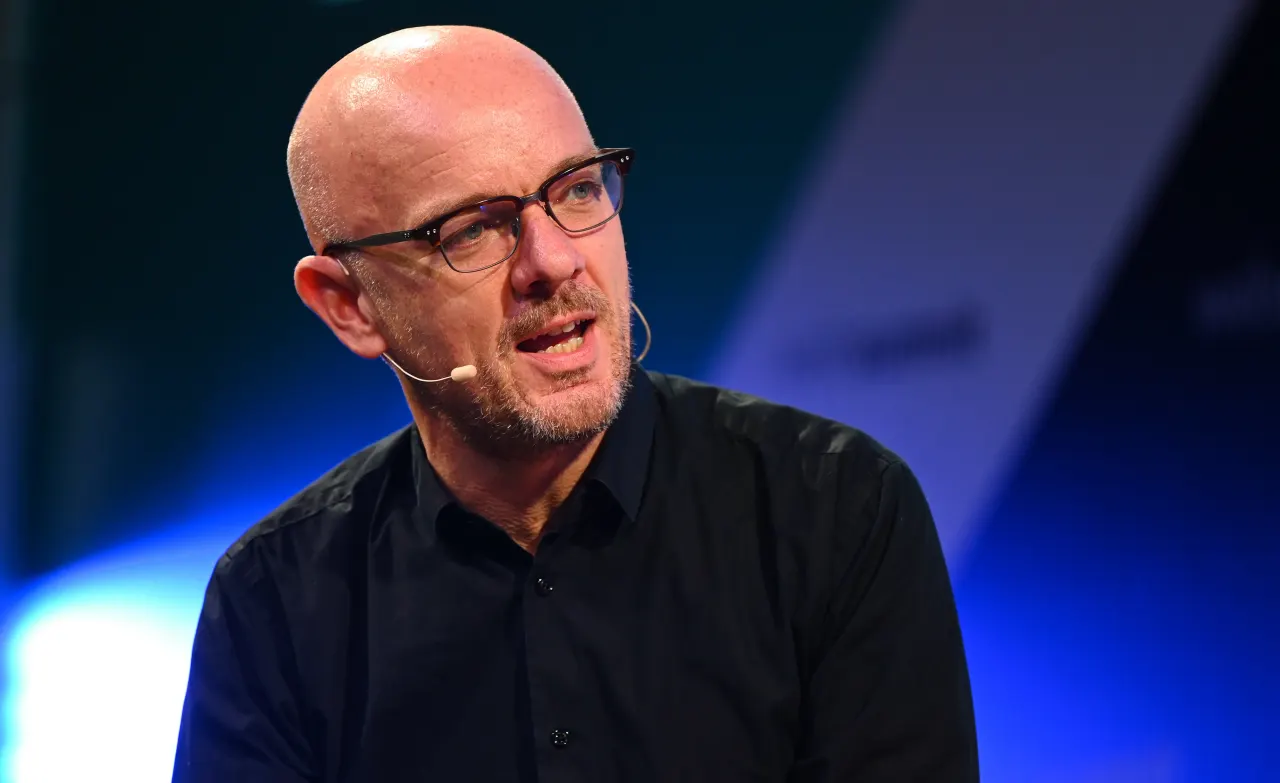
Banijay Entertainment has formally appointed Patrick Holland as Executive Chairman and CEO of Banijay UK after its merger with All3Media. He will lead the combined UK operation, making his approach to integrating the two companies important for the television production market.
Holland, who held the same position at Banijay UK before the merger, will oversee about 40 production labels and report to Banijay Entertainment CEO Marco Bassetti. The portfolio includes producers behind programmes such as Peaky Blinders, Big Brother and The Buccaneers; observers are watching whether All3Media’s relatively hands-off structure can be combined with Banijay’s more collective model.
- Patrick Holland will lead Banijay UK after the All3Media merger.
- He will oversee around 40 production labels.
- Integration of the two business models will be closely watched.
New here? Start with this
Banijay and All3Media are television production groups that own and work with studios making programmes for broadcasters and streaming services. Their labels have produced a wide range of drama and entertainment, including Peaky Blinders and Big Brother.
The combined UK operation brings together about 40 production labels. Holland leads it, reporting to Banijay Entertainment chief executive Marco Bassetti; how the groups work together may affect the companies and the wider UK production market.
Both sides, in good faith
The strongest fair case each way — we don't pick a winner.
The case for
All3Media's decentralised model has proven successful precisely because autonomous production labels retain distinctive creative voices and entrepreneurial drive. Preserving this structure allows talented producers to maintain direct relationships with broadcasters, protects the brand identities that justified acquisition in the first place, and avoids the demotivation that often follows excessive centralisation. The hands-off approach recognises that creative excellence flourishes when given space to develop organically rather than conforming to imposed collective structures.
The case against
A unified integration delivers genuine operational benefits: shared infrastructure investment, consolidated administrative costs, knowledge transfer across creative teams, and strengthened negotiating leverage with major broadcasters and streaming platforms. The collective model enables strategic investment in emerging formats and technologies that individual labels could not fund independently, whilst consistent quality standards across 40 labels serve long-term market position. Efficiency gains from integration can actually free resources for increased creative investment rather than constraining it.