World news and discussion on TalkFuse.
One Nation proposes 90% refugee intake cut and end to permanent parent visas
Developed over time first seen 1 day ago
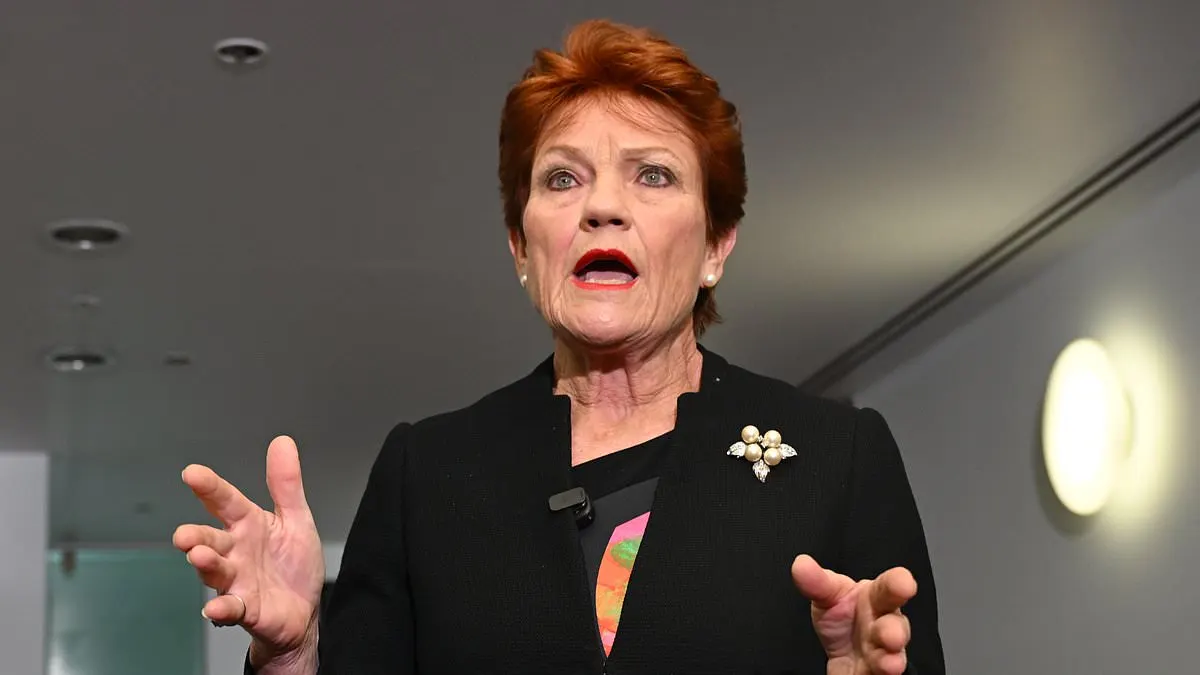
One Nation has proposed cutting Australia’s annual refugee intake by 90%, from 20,000 to 2,000, and ending permanent visas that allow migrants to sponsor their parents. The party says the changes would prioritise Australians’ access to housing and public services and reduce the taxpayer burden of migration programmes.
One Nation estimates existing programmes could cost taxpayers $141 billion over the next decade, and says Treasury modelling puts the average net lifetime cost at about $523,000 per refugee and $515,000 per permanent parent migrant. Temporary parent visas would remain available at families’ expense, while the proposal would also bar migrants from countries on Australia’s “Do not travel” list, including Afghanistan, Syria, Somalia and Yemen. Labor has abandoned a planned humanitarian intake reduction to 13,750, while Opposition Leader Angus Taylor has pledged to cut it to 10,000 if elected in 2028.
- Sources
- 2
- Outlets
- 2
- Left · Centre · Right
- 1 · 0 · 1
In short
- One Nation proposes reducing Australia’s refugee intake to 2,000 a year.
- It would end permanent parent visas but retain temporary options.
- The party also proposes a ban on migration from “Do not travel” countries.
How this story developed
- 22 hours ago One Nation added a ban on migrants from countries on Australia’s “Do not travel” list, including Afghanistan, Syria, Somalia and Yemen.
- 1 day ago The political context sharpened: Labor abandoned a planned cut to 13,750 refugees a year, while Opposition Leader Angus Taylor pledged to reduce the intake to 10,000 if elected in 2028.
- 1 day ago Pauline Hanson’s One Nation proposed reducing Australia’s annual refugee intake from 20,000 to 2,000 and ending permanent parent visas, saying this would ease pressure on public spending and services.
Full account
One Nation leader Pauline Hanson has proposed reducing Australia’s annual refugee intake from 20,000 places to 2,000 and ending permanent visas that allow migrants to bring their parents to the country. The party presented the measures as part of a wider effort to reduce migration and public spending.
One Nation says the lower refugee quota would still leave Australia above the OECD average for refugee places per person. It cites Treasury-based estimates of about A$523,000 in net lifetime costs per refugee and A$515,000 per permanent parent migrant, and argues the existing programmes could cost taxpayers A$141 billion over the next decade. These are the party’s figures; the reports do not establish them as independent forecasts.
The proposal would retain temporary visas for parents to make extended visits at their own expense. It would also bar migrants from countries on the government’s “do not travel” list. One Nation argues that public services and household affordability should take priority. Hanson’s plan follows earlier party proposals to reduce the temporary migrant population, including by targeting international students and families of skilled workers.
The reports describe different political responses and comparisons. One says Labor had dropped an earlier proposal to lower the humanitarian intake to 13,750 after criticism from some of its MPs; the other says Labor remains committed to 20,000 places and the Coalition has proposed 10,000. Foreign Minister Penny Wong defended the current intake, disputed Hanson’s OECD comparison and accused One Nation of seeking to divide Australians. The second report also gives Treasury’s December 2021 estimate of A$400,000 per humanitarian entrant, while noting that One Nation’s higher estimate adjusts modelling for inflation.
Where outlets differ
From the full account, which is AI-written from the sources:
The first report foregrounds One Nation’s estimated A$141 billion in programme costs and its wider migration restrictions. The second focuses on the political dispute with Wong, adds the Coalition’s proposed 10,000-place intake and compares One Nation’s cost estimate with Treasury’s 2021 figure.
The reports list different examples from the government’s “do not travel” list: the first names Afghanistan, Syria, Somalia and Yemen; the second names Iran, Lebanon, Syria and Somalia.
The first describes temporary parent visas as an option the party would retain, while the second adds Hanson’s explanation that parents would need sponsorship or could visit family. The source text for the second report is cut off before that explanation is complete.
Left-leaning outlets 1
Only here: australia, tough, stance
Right-leaning outlets 1
Only here: proposes, permanent, parent, visas
Every side used: nation, refugee, intake
Headline columns compared word for word; nothing in them is AI-written.
Steelman: both sides, in good faith
The strongest fair case each way — we don't pick a winner.
The case for
Supporters argue that a much smaller refugee intake and ending permanent parent visas would help Australia manage housing and services, and limit long-term public spending. They see prioritising current residents’ needs as a legitimate responsibility of government, while family-funded temporary visas would still allow some parents to visit or stay for a time.
The case against
Opponents argue that deep cuts would abandon people who need protection and weaken Australia’s humanitarian commitments, while ending permanent parent visas would separate families or make reunification depend on wealth. They may also question whether average lifetime cost estimates capture refugees’ and migrants’ future contributions, and argue that pressures on housing and services should be addressed directly.
Explained simply
Australia’s refugee intake is the number of people the country agrees to resettle each year through its humanitarian programme. Parent visas allow migrants’ parents to join family in Australia; permanent visas let them stay indefinitely, while temporary visas are time-limited.
The debate involves One Nation, the governing Labor Party and the opposition led by Angus Taylor. Their proposals differ on how many refugees Australia should accept, while One Nation also wants to end permanent parent visas.
Refugee and family migration policy affects people seeking safety or reunification with relatives, as well as public spending and demand for services such as housing and healthcare. The figures cited in the debate are estimates of costs over time, rather than annual bills.
Coverage · 2 sources
Bias meters
From 2 rated sources.
Read the full article at the source →
Originally published by Daily Mail as “Pauline Hanson unveils plan to scrap parent visas and slash refugee intake by 90 per cent”.