Politics news and discussion on TalkFuse.
Paxton drops Texas lawsuits that accused doctors of illegally providing transgender youth care
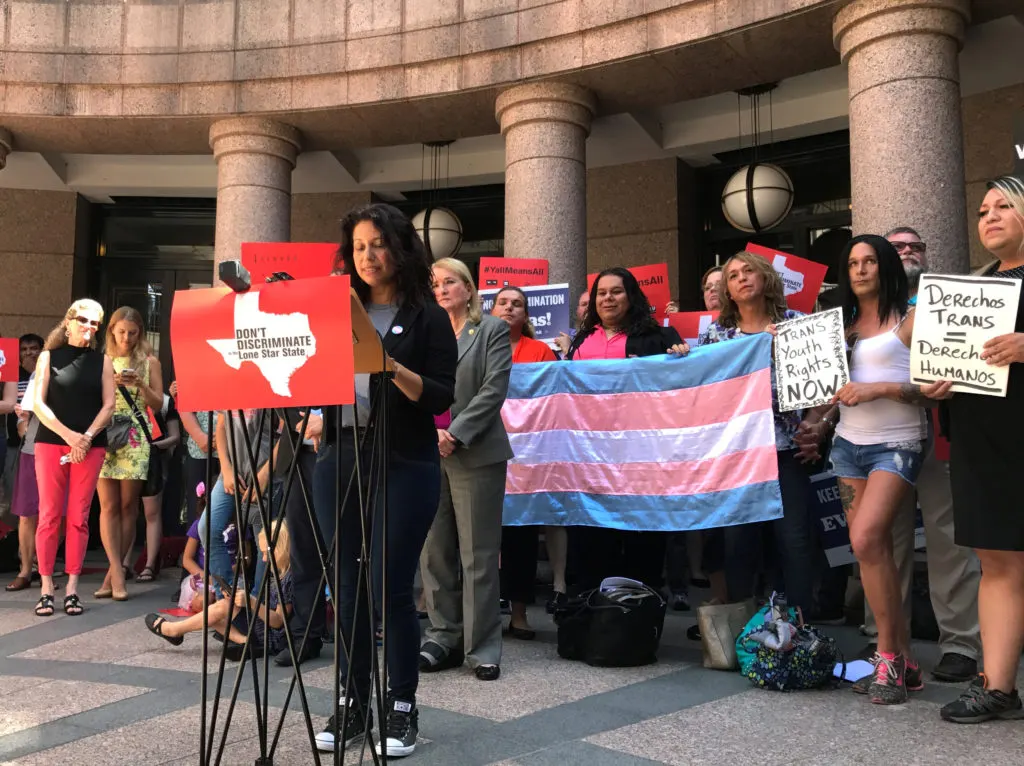
Texas Attorney General Ken Paxton is dropping lawsuits against doctors May Lau and M. Brett Cooper, whom his office accused of unlawfully providing gender-affirming care to transgender young people. The dismissals end two of the first US cases brought against doctors under such restrictions, as Paxton prepares to leave office after losing his Senate bid.
Filed in 2024, the cases threatened steep fines and the loss of the doctors’ medical licences. Lau moved her practice from Dallas to Oregon during the proceedings; Paxton’s office had also dropped a case against a third doctor, Hector Granados, last year, later saying he had not broken the law. Texas’s ban took effect in 2023, and Democrat Nathan Johnson is due to become attorney general in January; Paxton’s office has also dropped several other lawsuits since his Senate loss.
In short
- Paxton dropped cases against two Texas doctors.
- The suits were among the first US cases under youth care bans.
- Democrat Nathan Johnson is due to become attorney general in January.
Steelman: both sides, in good faith
The strongest fair case each way — we don't pick a winner.
The case for
Supporters of Texas’s ban argue that the state has a duty to protect minors from medical interventions they consider consequential and insufficiently established, and that enforcing the law against providers is necessary for the ban to have effect. They may also see Paxton’s decision to drop these cases as a matter of prosecutorial discretion, rather than a resolution of the wider policy debate.
The case against
Opponents argue that gender-affirming care can be important for young people’s wellbeing and that decisions should be made by patients, families and clinicians, not curtailed by a broad state ban. They may view lawsuits threatening doctors’ licences and large fines as chilling lawful medical care, while the cases’ dismissal underscores the costs of pursuing providers without establishing that they broke the law.