Technology news and discussion on TalkFuse.
‘Peace through strength’: Albanese and Trump hail progress on Quad alliance
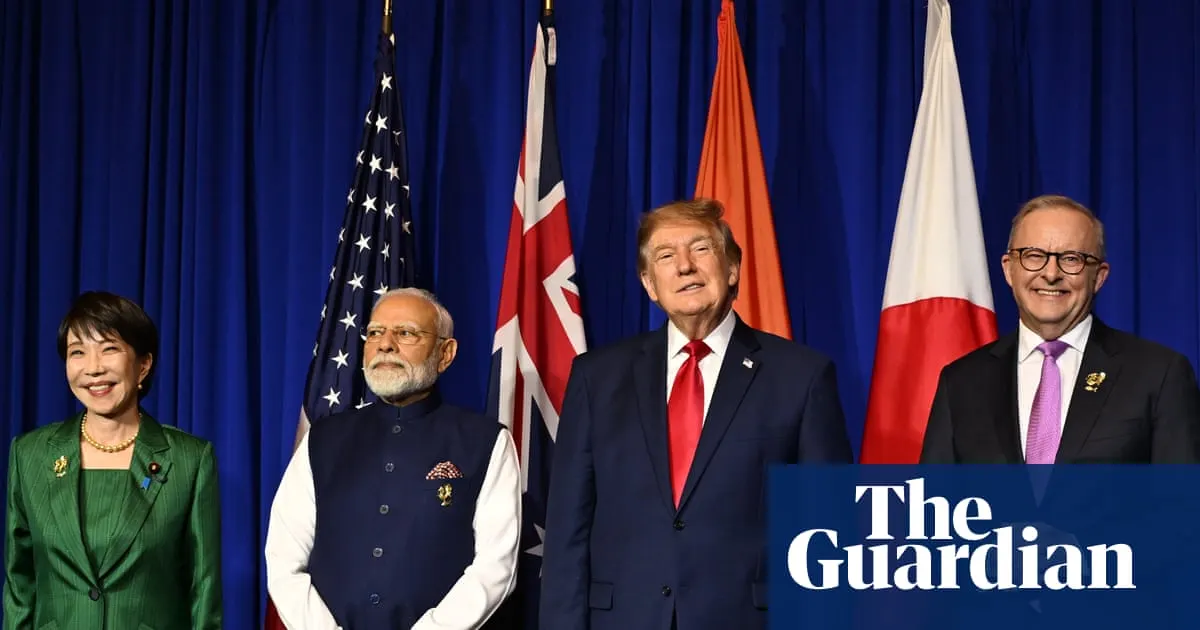
Leaders of Australia, the United States, India and Japan agreed to deepen Quad cooperation, including plans for joint military exercises, as they seek to support stability in the Indo-Pacific amid China’s growing influence. Donald Trump and Anthony Albanese presented the alliance as a way to maintain “peace through strength”, while the proposed exercises are likely to draw criticism from Beijing.
At their Manila meeting, the leaders discussed maritime security, artificial intelligence, critical minerals and infrastructure. The planned exercises would build on the recent Malabar drills near Japan, which included anti-submarine and anti-surface warfare training; a Quad business forum is also planned for 2027. The talks were the group’s first leaders’ meeting since 2024, ahead of separate engagements with China’s president Xi Jinping later in the week.
In short
- Quad leaders plan new joint military exercises.
- Talks covered AI, minerals and maritime security.
- The meeting came ahead of leaders’ engagements with Xi Jinping.
Steelman: both sides, in good faith
The strongest fair case each way — we don't pick a winner.
The case for
Supporters argue that deeper Quad cooperation and joint exercises can deter coercion, improve coordination in a crisis and help keep Indo-Pacific sea routes open. They see practical collaboration among four regional democracies as a contribution to stability, alongside work on critical minerals, infrastructure and technology.
The case against
Critics argue that expanding military exercises may heighten threat perceptions and encourage an arms competition, making regional tensions harder to manage. They may also worry that a security-focused Quad could deepen bloc politics and reduce space for diplomacy with China, even when the stated aim is deterrence.
AI Asia Fitness Health Politics Technology World