World news and discussion on TalkFuse.
Pedro Pina, YouTube VP at Iberseries & Platino Industria: ‘YouTube is a Greenhouse of the Future of Creativity’
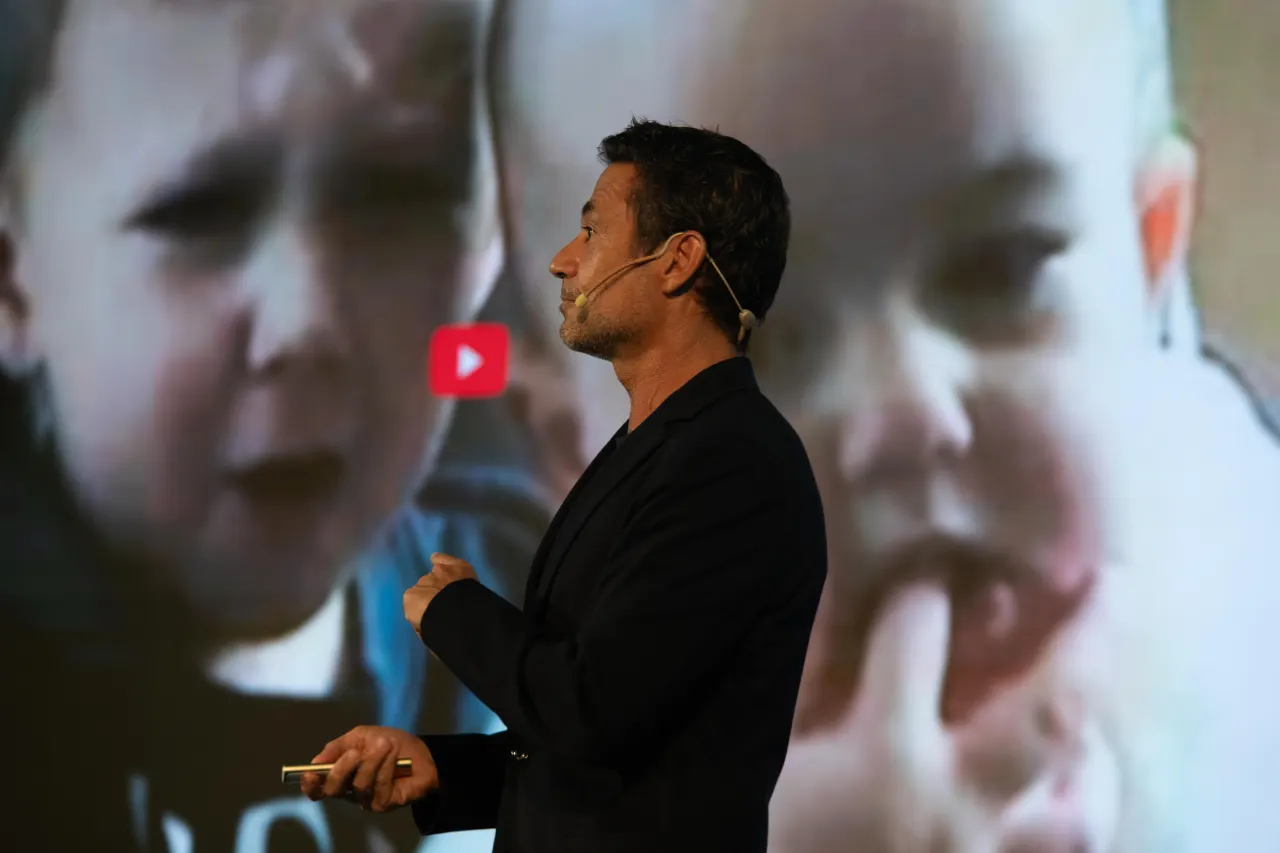
Pedro Pina, YouTube’s vice-president for Europe, the Middle East and Africa, described how the platform has grown from a home for viral clips into a launchpad for artists, sports content and films. Speaking at the Iberseries & Platino Industria conference, he argued that YouTube helps creators build audiences and careers, and said the industry’s understanding of how its content can be protected and monetised there is improving.
Pina said around 85% of people in the UK who have a creative career in the industry began on YouTube. He cited the early spread of Susan Boyle’s Britain’s Got Talent audition, as well as the success of “Gangnam Style”, Justin Bieber and Ed Sheeran, and the films “Backrooms” and “Obsession”. Executives from Catalan broadcaster 3Cat and Italy’s Minerva Pictures described using YouTube to reach audiences and generate revenue, alongside their own services and channels.
In short
- YouTube has become a route into creative careers and a way to build audiences.
- Pina says about 85% of UK creative industry workers began on the platform.
- Broadcasters and studios are using YouTube to extend reach and earn revenue.
Steelman: both sides, in good faith
The strongest fair case each way — we don't pick a winner.
The case for
YouTube has genuinely democratised content creation by removing gatekeepers and technical barriers, allowing talented individuals from any background to reach global audiences. The platform provides monetisation infrastructure and audience-building tools that simply did not exist before, enabling creators to turn their work into sustainable careers. The cited examples—from Susan Boyle to Ed Sheeran to emerging filmmakers—demonstrate that YouTube's accessibility and reach have created real pathways to success that traditional media could not match.
The case against
Whilst YouTube offers visibility, critics argue its creator terms are fundamentally unfavourable, with revenue-sharing heavily favouring the platform, unpredictable demonetisation, and algorithmic opacity that can suppress content arbitrarily. The statistic about UK creators beginning on YouTube may reflect survivorship bias rather than the platform's actual generosity; many creators struggle precisely because the algorithm's demands conflict with artistic integrity. Moreover, YouTube's near-monopoly means creators often have little choice but to accept its terms, raising serious questions about whether dependency genuinely empowers or exploits creative talent.
Explained simply
YouTube was originally a platform for sharing short videos but has become a major launchpad for creative careers in music, film and entertainment. Musicians, filmmakers and other artists now build audiences and generate income through the service, which increasingly operates alongside traditional broadcasters and media companies.
The creative industries now rely significantly on YouTube for distribution and revenue, with both industry executives and platform leaders working to improve how content is protected and monetised. Pedro Pina, YouTube's vice-president for Europe, the Middle East and Africa, is among those executives engaging with the creative industries on these developments.
According to YouTube, around 85 per cent of UK professionals in creative careers started on the platform. This statistic demonstrates how central YouTube has become to the modern entertainment industry, making insights from platform executives and industry leaders on its role increasingly significant.
Africa Entertainment Europe Middle East Trending TV Weird & Viral World