Peltola campaign’s alleged Dan Sullivan spoiler plot takes new turn as DOJ faces major legal hurdle
Developed over time first seen 2 hours ago
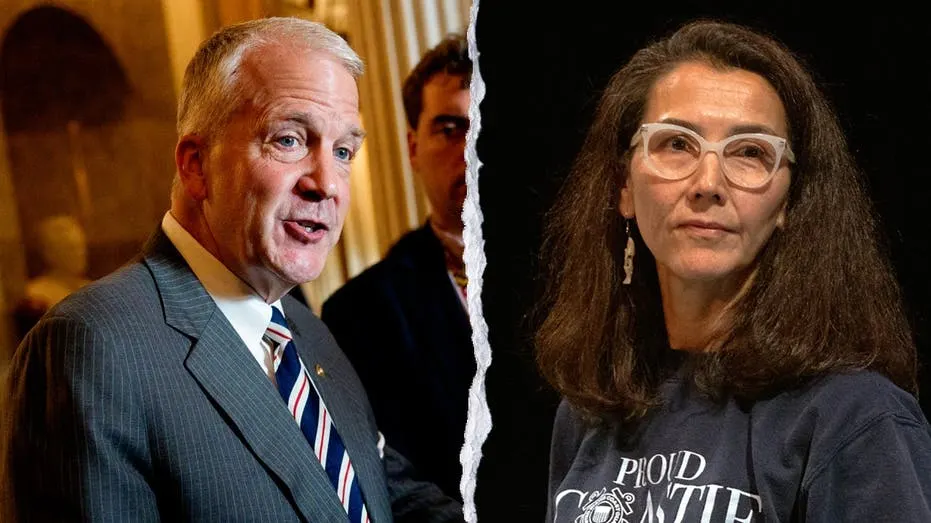
The Justice Department is trying to persuade a federal court to delay certification of Alaska’s Senate election if Republican incumbent Dan Sullivan loses and votes for a second candidate with a similar name may have affected the result. The case matters because control of the narrowly divided US Senate could hinge on the race, while the alleged effort to create voter confusion has become a dispute over election rules and campaign conduct.
The DOJ filed its lawsuit about two weeks before the 22 October election, citing concern that voters might confuse the incumbent with retired schoolteacher Daniel J. Sullivan. Mary Peltola’s campaign and the Democratic Senatorial Campaign Committee have asked the court to dismiss the case, arguing the law cited concerns voter registration rather than candidate eligibility or ballot design. Alaska’s elections division disqualified the schoolteacher, but a judge overturned that decision in June; ranked-choice voting and ballot labels distinguishing the two candidates may reduce confusion, while ballot secrecy makes it difficult to prove individual voters’ intent.
- Sources
- 2
- Outlets
- 1
- Left · Centre · Right
- 0 · 0 · 2
In short
- DOJ seeks power to delay certification if name confusion affected the result.
- Peltola’s campaign denies involvement in recruiting a second Sullivan.
- Ballot secrecy makes voter confusion hard to prove.
How this story developed
- 28 minutes ago The Justice Department is trying to persuade a federal court to delay certification of Alaska’s Senate election if Republican incumbent Dan Sullivan loses and votes for a second candidate with a similar name may have affected the result.
Steelman: both sides, in good faith
The strongest fair case each way — we don't pick a winner.
The case for
The Justice Department can argue that voters should be able to cast informed ballots without confusion caused by candidates with similar names, especially in a closely contested Senate race. If election rules were used to create or exploit that confusion, a court should be able to examine whether the process was fair and whether certification should wait until the legal questions are resolved.
The case against
Peltola’s campaign and the Democratic Senatorial Campaign Committee can argue that the law cited by the DOJ governs voter registration, not candidate eligibility or ballot design, making the lawsuit an improper basis to delay certification. They can also point to the state court’s decision allowing Daniel J. Sullivan to run, the ballot labels distinguishing the candidates and the difficulty of showing that confusion changed votes; postponing certification on uncertain evidence could undermine voters’ choices and state election procedures.
Explained simply
Alaska’s US senators are elected statewide, and a close race can affect which party controls the Senate. Dan Sullivan is the Republican incumbent; Mary Peltola, a Democrat, is challenging him. A second candidate, retired teacher Daniel J. Sullivan, has a similar name.
Alaska uses ranked-choice voting, which lets voters rank candidates, and the ballot labels distinguish the two Sullivans. The state’s elections division disqualified Daniel J. Sullivan, but a judge overturned that decision in June. The dispute raises questions about how election rules apply when candidates have similar names and how voter confusion can be assessed while ballots remain secret.
Coverage · 2 sources
Bias meters
From 2 rated sources.
Americas Art Culture Elections Government Politics World