World news and discussion on TalkFuse.
Drivers over 70 may face eyesight checks every three years
Developing story first seen 6 hours ago
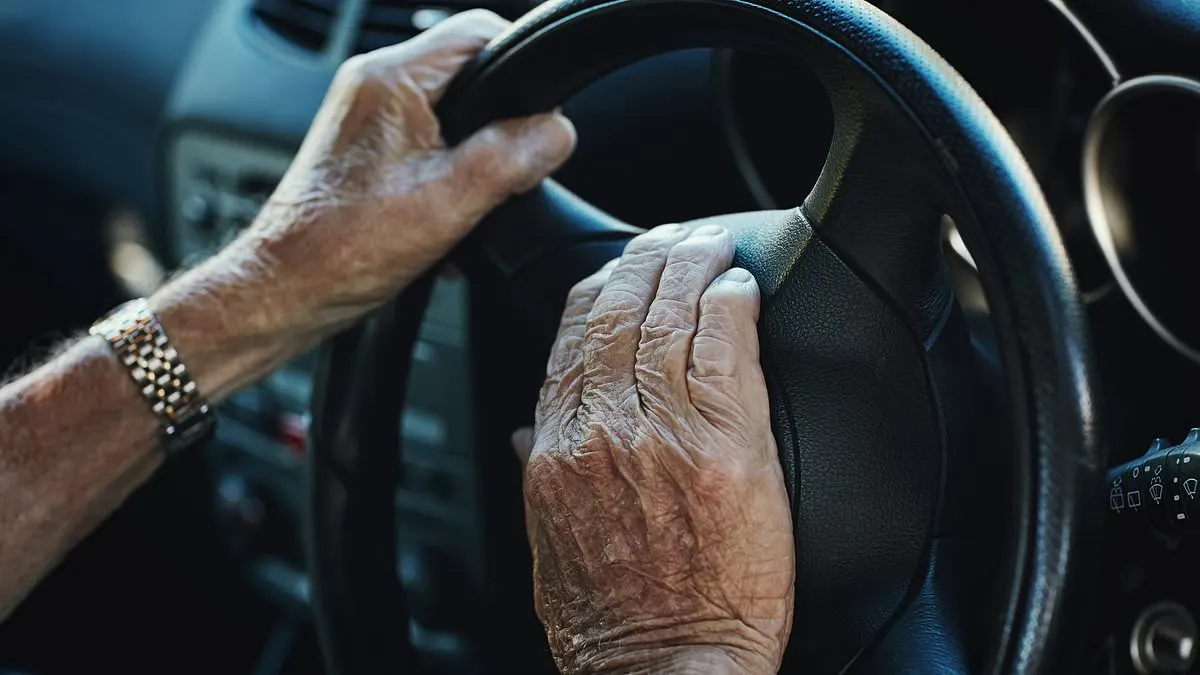
The Government is expected to announce within weeks plans requiring drivers aged 70 and over to prove their eyesight meets legal standards every three years. The proposed checks would replace the current reliance on drivers’ self-certification and could lead to the DVLA withdrawing licences from those who fail.
Around six million people aged 70 and over hold UK driving licences, including about 1.6 million aged over 80. Ministers are considering how to run the tests and whether NHS eye checks should be strengthened; motoring groups support regular testing, while concerns include costs and the effect on older people in rural areas. Drivers must currently be able to read a number plate from 20 metres in good daylight.
- Sources
- 2
- Outlets
- 2
- Left · Centre · Right
- 0 · 0 · 2
In short
- Eye tests every three years are proposed for drivers aged 70 and over.
- Around six million UK licence holders could be affected.
- Ministers are weighing practical arrangements and possible costs.
How this story developed
- 42 minutes ago The proposal is now being considered in response to an inquest that found eyesight-rule enforcement ineffective and unsafe; ministers are weighing how checks would work, while debate continues over costs and isolation for older rural residents.
- 1 hour ago Ministers were expected to announce plans within weeks for drivers aged 70 and over to prove their eyesight met legal standards every three years, replacing self-certification and potentially costing failing drivers their licences.
Full account
Drivers aged 70 and over may be required to take an eyesight test every three years as part of proposed road-safety changes. The results would be sent to the Driver and Vehicle Licensing Agency (DVLA), which could withdraw the licence of anyone who does not meet the legal standard. The reports describe the plan as under consideration, rather than a settled policy, with an announcement expected in the coming weeks according to one account.
At present, drivers must renew their licences every three years from age 70, but they certify for themselves that their eyesight is good enough to drive. The proposal would replace that self-declaration with evidence from a test. The reports say ministers have been weighing which age group to cover and how often drivers should be tested. They also raise the question of whether NHS eye tests, which are free for people over 60, would need to be adapted: the reports say those tests do not specifically establish whether someone meets the driving standard.
The legal standard cited is the ability to read a number plate first issued after September 2001 from 20 metres in good daylight. The coverage links the proposal to concerns about collisions involving drivers with poor eyesight. It also refers to an April 2025 inquest into four deaths, which concluded that enforcement of eyesight requirements for drivers was unsafe or ineffective. The reports say the issue had been consulted on earlier in the year, with ministers assessing options since May.
Supporters cited in the coverage include motoring organisations, which argue that regular checks could improve safety. AA president Edmund King supports routine eye tests for drivers and says eyesight can be a factor in crashes, particularly among older age groups. RAC Foundation director Steve Gooding is also quoted in favour of drivers checking their vision regularly. The reports acknowledge possible costs for pensioners, especially if tests lead to new prescriptions, and concerns that losing a licence could leave some older people in rural areas with limited transport options.
The outlets substantially overlap in their account of the proposal, its current self-certification system and the safety case for change. The first report gives more attention to the possible design of NHS testing and the potential expense of prescription changes. The second adds a quotation from shadow transport minister Greg Smith about the risk of isolating rural older people, and gives more detail about the inquest's finding and international comparisons. Both present the measures as being considered, not confirmed.
Steelman: both sides, in good faith
The strongest fair case each way — we don't pick a winner.
The case for
Regular eyesight checks could identify gradual deterioration that drivers may not notice and make sure everyone meets the same safety standard. Given the consequences of poor vision on the road, periodic checks could strengthen enforcement and help prevent avoidable collisions.
The case against
A blanket age-based testing rule could impose costs and inconvenience on many older drivers who remain fit to drive, while a failed test could sharply restrict independence. In rural areas, where alternatives to driving may be limited, losing a licence could increase isolation; critics may favour checks targeted at individual concerns or better support for existing rules.
Explained simply
In the UK, drivers must meet a minimum eyesight standard to hold a licence. At present, they are expected to tell the DVLA if their eyesight no longer meets that standard, which includes being able to read a modern number plate from 20 metres in good daylight.
The DVLA issues driving licences, while ministers set the rules drivers must follow. NHS eye tests are free for people aged 60 and over, but they are not designed to decide whether someone is fit to drive.
Eyesight can change gradually with age, so checks may affect older drivers’ ability to keep their licence. Losing the ability to drive can also make everyday journeys harder, particularly for people in rural areas with limited alternatives.
Coverage · 2 sources
Bias meters
From 2 rated sources.
Read the full article at the source →
Originally published by Daily Mail as “Pensioners will LOSE their driving licence if they fail mandatory eye test: Millions of over 70s will be forced to take regular tests”.