Health news and discussion on TalkFuse.
Pentagon orders mandatory testosterone tests for male troops 30 and older
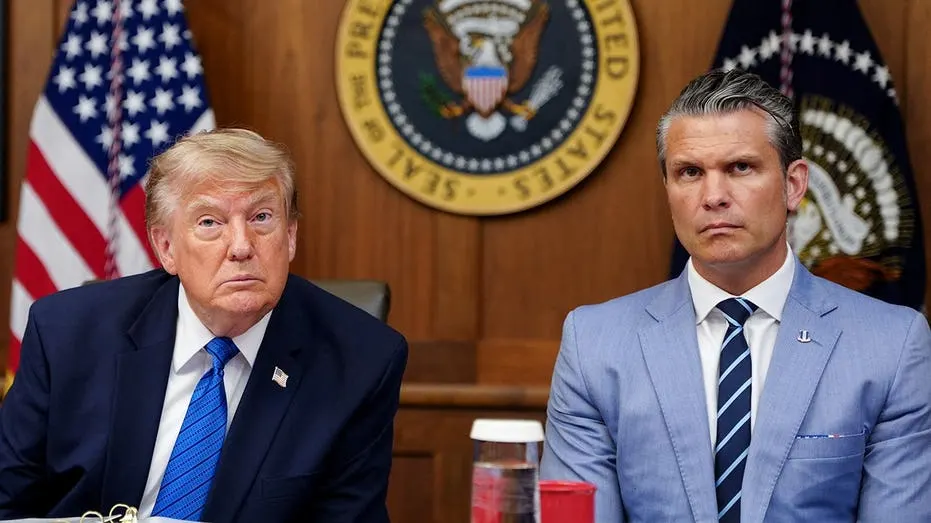
The US Department of Defense has introduced mandatory testosterone deficiency screening for all active-duty and reserve male service members aged 30 and over, with the clinical guidance taking effect immediately. The policy follows Defense Secretary Pete Hegseth's July announcement that troops would be screened to ensure they had "the right testosterone levels" to perform at their best, framed as part of a broader push on long-term service member health and military readiness. Some endocrinologists have criticised the move, arguing there is insufficient evidence that universal testing improves readiness and warning it could lead to unnecessary or harmful treatment.
Under the new rules, men aged 30 and above must undergo testosterone blood tests, while younger men are only tested if they request it or clinicians spot warning signs; those with low levels may get further evaluation and, where appropriate, voluntary hormone replacement therapy. Women will not face routine testosterone testing but will be screened for fatigue and menstrual disruption linked to hormonal issues, with new guidelines on prescribing off-label testosterone, particularly for postmenopausal women with low libido. Non-medical testosterone use, including for performance enhancement, remains banned. The FDA is due to meet experts later this month to discuss testosterone's medical use.
In short
- Pentagon mandates testosterone tests for male troops aged 30-plus
- Low-testosterone cases may get voluntary hormone replacement therapy
- Women screened differently; some doctors question the policy's evidence base
Steelman: both sides, in good faith
The strongest fair case each way — we don't pick a winner.
The case for
Routine screening could identify an otherwise overlooked, treatable deficiency and give service members access to further clinical assessment and, where appropriate, voluntary treatment. Supporters can argue that looking after troops’ long-term health is part of military readiness, while standardised testing may help clinicians spot problems earlier.
The case against
Critics can argue that testing every man over 30 lacks sufficient evidence of improving health or readiness, and may uncover borderline results that prompt unnecessary follow-up or treatment. They may favour testing based on symptoms and individual clinical judgement, reducing the risk of medicalising normal variation or exposing service members to treatment harms.
Explained simply
Testosterone is a hormone involved in sexual development and other functions in the body. Low levels can be linked to symptoms such as fatigue, but those symptoms can have other causes, and a blood test alone does not establish why someone feels unwell.
The US Department of Defense oversees the country’s armed forces, including active-duty personnel and reservists. Defence Secretary Pete Hegseth has presented hormone health as part of a wider focus on troops’ wellbeing and ability to serve; clinicians assess any low test result before treatment is considered.
The policy has prompted debate about whether testing everyone in an age group helps military readiness. Some endocrinologists, doctors who specialise in hormones, say the benefits of universal screening are unclear and raise concerns about unnecessary treatment.